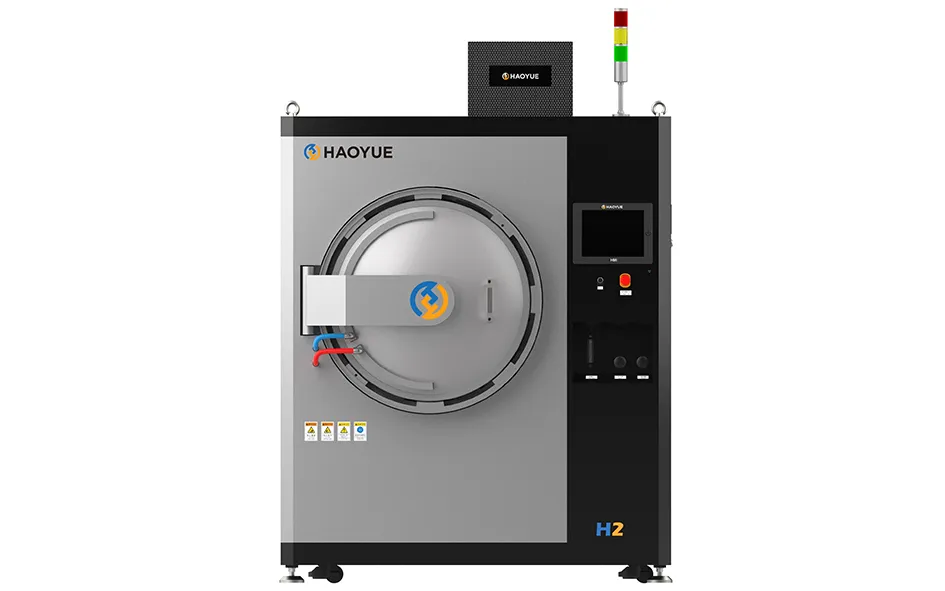

In the world of precision manufacturing, maintaining consistent part quality is paramount. Yet, many industries face challenges like oxidation, contamination, and compliance risks, especially in vacuum heat treatment and joining processes. Vacuum sintering furnaces play a crucial role in mitigating these issues, offering reliable solutions for industries ranging from aerospace to medical devices.
Why Vacuum Sintering Furnaces Are Critical for High-Precision MIM Parts
Vacuum sintering furnaces are designed to address the common issue of inconsistent sintering quality. These furnaces provide an optimal environment for metal injection molding (MIM) parts, ensuring that each batch meets precise specifications. By maintaining high temperature uniformity and low vacuum levels, these furnaces prevent oxidation and contamination, which are often culprits of quality degradation.
Industrial Applications and Benefits
Industries such as aerospace and medical device manufacturing benefit significantly from vacuum sintering furnaces. In aerospace, for instance, maintaining component integrity is vital, and vacuum technology ensures compliance with Nadcap standards. Similarly, medical applications require adherence to FDA and ISO 13485 standards, where vacuum sintering guarantees purity and strength.
Key Features to Look for in a Hydrogen Molybdenum Furnace
Hydrogen molybdenum furnaces are central to high-temperature sintering processes, offering controlled atmospheres that are essential for producing high-quality components. Key features include:
- Temperature uniformity of ±1°C
- Vacuum levels reaching up to 10⁻⁶ mbar
- Automated cycle repeatability for consistent results
Solving Common Production Challenges
High-temperature molybdenum furnaces address production challenges such as energy inefficiency and poor cycle repeatability. Their advanced technology ensures that energy consumption is minimized while maximizing output efficiency, crucial for cost-sensitive industries.
Understanding Vacuum Brazing and Diffusion Bonding
Vacuum brazing and diffusion bonding are high-precision joining techniques that benefit from vacuum furnace technology. These processes require controlled environments to achieve strong, reliable bonds without the risk of oxidation. Vacuum heat treatment during these processes ensures that the final products meet stringent quality standards.
Compliance and Industry Standards
When dealing with high-precision joining and vacuum heat treatment, compliance with industry standards is non-negotiable. Adhering to aerospace AMS standards, medical FDA regulations, and general ISO certifications is facilitated by the precision and reliability of vacuum furnace technology.
For custom sintering solutions tailored to your production needs, reach out to our engineering team to discuss your project requirements. Whether you’re an engineer seeking technical datasheets, a procurement manager interested in quotations, or a quality control professional needing compliance validation, our expertise in vacuum furnace technology can meet your demands.