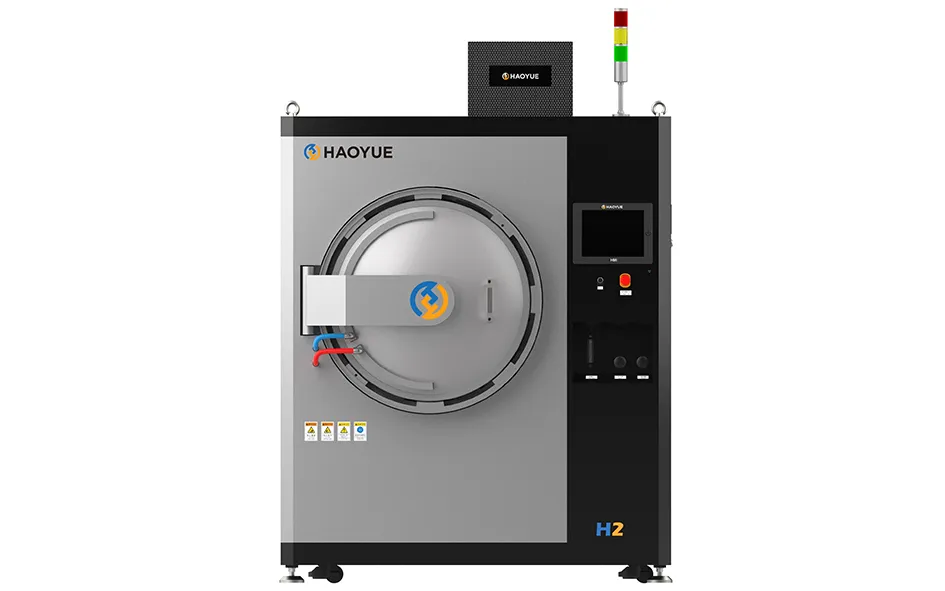
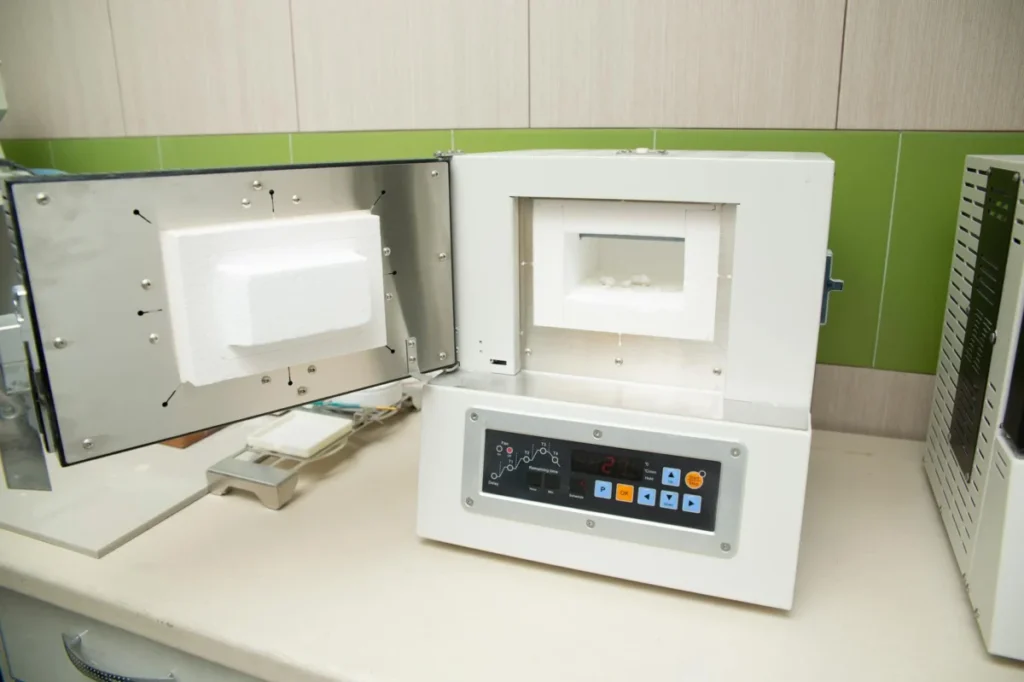
Inconsistent part quality and high production costs are recurring challenges for many industries relying on powder metallurgy and high-precision manufacturing. These issues often stem from inadequate control in vacuum heat treatment processes, leading to oxidation, contamination, and costly compliance risks in sectors like aerospace and medical devices. Fortunately, advancements in vacuum sintering furnaces offer a solution, ensuring reliable and high-quality results.
Why Vacuum Sintering Furnaces Are Critical for High-Precision MIM Parts
Vacuum sintering furnaces play a pivotal role in manufacturing metal injection molding (MIM) parts. The precision required in this process is unmatched, and achieving such precision demands consistent temperature control and a contamination-free environment. By maintaining vacuum levels up to 10-6 mbar, these furnaces minimize oxidation and ensure uniform temperature distribution, crucial for quality and compliance with standards such as Nadcap and FDA.
Application in Aerospace and Medical Industries
The aerospace industry demands components that can withstand extreme conditions, where even minor inconsistencies can lead to significant compliance issues. Similarly, the medical field requires biocompatible and precise implants. Vacuum sintering furnaces provide the controlled atmosphere necessary for producing components that meet these stringent requirements, addressing both quality and regulatory standards.
Key Features to Look for in a Hydrogen Molybdenum Furnace
When selecting a hydrogen molybdenum furnace, critical features include temperature uniformity and energy efficiency. Modern furnaces offer ±1°C temperature uniformity, essential for maintaining the integrity of the sintered parts. The use of advanced materials for heating elements and efficient insulation reduces energy consumption, contributing to cost savings and environmentally sustainable operations.
Controlled Atmosphere Sintering for Optimal Results
Controlled atmosphere sintering is vital in preventing contamination and ensuring the consistency of metal parts. By utilizing hydrogen atmospheres, these furnaces reduce the risk of oxidation and improve the mechanical properties of the final product, making them ideal for high-temperature applications.
Advanced Vacuum Technology for Improved Process Stability
Vacuum technology is revolutionizing the efficiency and stability of manufacturing processes through innovations in vacuum brazing and diffusion bonding. These techniques enable high-precision joining of components without the need for fillers, enhancing the mechanical performance of parts. Vacuum levels and cycle repeatability are critical parameters that ensure the reliability and repeatability of these processes.
Meeting Industry Standards with Confidence
Compliance with industry standards such as AMS for aerospace or ISO 13485 for medical devices is non-negotiable. Vacuum sintering technology supports adherence to these standards by ensuring process consistency and traceability, ultimately reducing the risk of non-compliance and associated costs.
Modern vacuum furnace technology addresses the challenges of process stability and product quality by offering unparalleled temperature uniformity and vacuum control. By improving yield rates and cost efficiency, these solutions provide a competitive edge in precision manufacturing. For custom sintering solutions tailored to your production needs, reach out to our engineering team to discuss your project requirements.