In the high-stakes world of industrial manufacturing, ensuring consistent quality and precision in metal parts is paramount. Yet, challenges such as oxidation and contamination often plague the powder metallurgy and precision manufacturing sectors, leading to costly inefficiencies and compliance risks. Enter vacuum sintering furnaces, a solution designed to tackle these problems head-on.
Why Vacuum Sintering Furnaces Are Critical for High-Precision MIM Parts
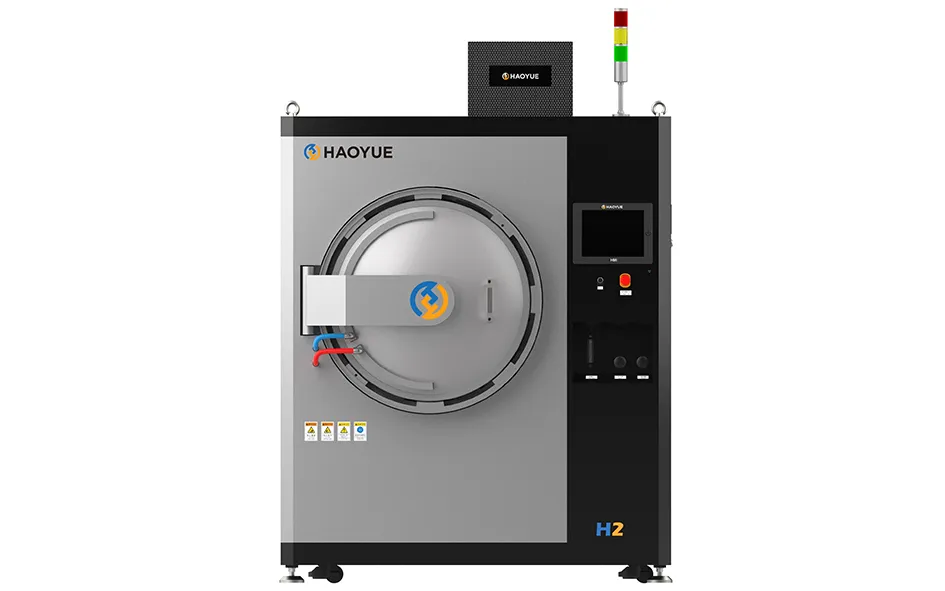
MIM (Metal Injection Molding) powder metallurgy relies on precise sintering processes to achieve high-quality, complex geometries. Vacuum sintering furnaces provide the controlled environment necessary to prevent oxidation and ensure uniform part density. By maintaining a vacuum level up to 10⁻⁶ mbar, these furnaces enhance material properties and reduce defects, making them indispensable for industries such as aerospace and medical devices.
Real-World Applications
In aerospace, the need for components that withstand extreme temperatures and pressures is critical. Vacuum sintering furnaces allow for the production of parts that meet Nadcap and AMS standards, ensuring safety and reliability. In the medical field, where ISO 13485 compliance is a must, these furnaces help produce biocompatible implants with consistent quality.
Key Features to Look for in a Hydrogen Molybdenum Furnace
When selecting a hydrogen molybdenum furnace, several features are crucial for optimal performance. These include temperature uniformity within ±1°C, the use of high-grade heating elements, and energy-efficient designs that minimize operational costs. Such furnaces are essential for high-temperature sintering applications, offering a controlled atmosphere that supports complex diffusion bonding and vacuum brazing processes.
Addressing Common Production Challenges
Production inefficiencies often arise from inconsistent heating cycles and poor temperature control. Hydrogen molybdenum furnaces are engineered to deliver repeatable cycle performance, ensuring each batch meets stringent quality criteria. This capability is particularly vital in automotive and aerospace sectors, where precision and reliability are non-negotiable.
The Importance of Vacuum Heat Treatment in Industrial Furnace Solutions
Vacuum heat treatment is a cornerstone of industrial furnace solutions, enhancing the mechanical properties of metals while minimizing environmental impact. By eliminating oxygen, vacuum heat treatment prevents oxidation and contamination, leading to superior surface finishes and improved material integrity. This process is crucial for achieving compliance with industry standards like FDA and general ISO certifications.
Enhancing Process Stability and Product Quality
With advanced vacuum technology, manufacturers can achieve unparalleled process stability, which translates to higher product quality and yield rates. Automated systems ensure that each cycle is consistent, reducing the likelihood of human error and maximizing efficiency.
For custom sintering solutions tailored to your production needs, reach out to our engineering team to discuss your project requirements. Whether you are an engineer seeking technical datasheets, a procurement manager looking for bulk solutions, or a quality control professional needing compliance validation, our expertise in vacuum systems can drive your success.