How to Specify a Deposition System
A practical checklist for CVD, PECVD, ALD, MOCVD and related thin-film projects that depend on gas delivery, reactor geometry and process window control.
Open guide
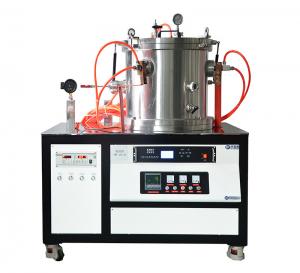
thin film deposition system supplier
Specify a thin-film deposition system by comparing precursor chemistry, substrate size, reactor geometry, temperature, pressure, gas delivery, exhaust handling and maintenance access.
Request pricing and configuration
Citation-ready summary
Thin Film Deposition System Supplier is a direct inquiry page for buyers who already know the process route but still need help matching material, chamber size, atmosphere, vacuum level, utilities and configuration scope before they ask for a quotation.
Why buyers ask
Precursor chemistry, substrate size and pressure window must be defined together.
Gas delivery, exhaust handling and reactor geometry determine whether the quote is usable.
Batch or single-substrate workflows change the reactor scope and automation needs.
Reference guides
Use the guides to narrow the technical scope, then send the RFQ with the process details already in place.
A practical checklist for CVD, PECVD, ALD, MOCVD and related thin-film projects that depend on gas delivery, reactor geometry and process window control.
Open guideA practical checklist for custom process routes, torsion systems, molten salt furnaces and chamber-based special systems.
Open guideA practical guide to vacuum furnaces, vacuum sintering, melting, brazing, purification and thermal processing equipment.
Open guideRecommended starting points
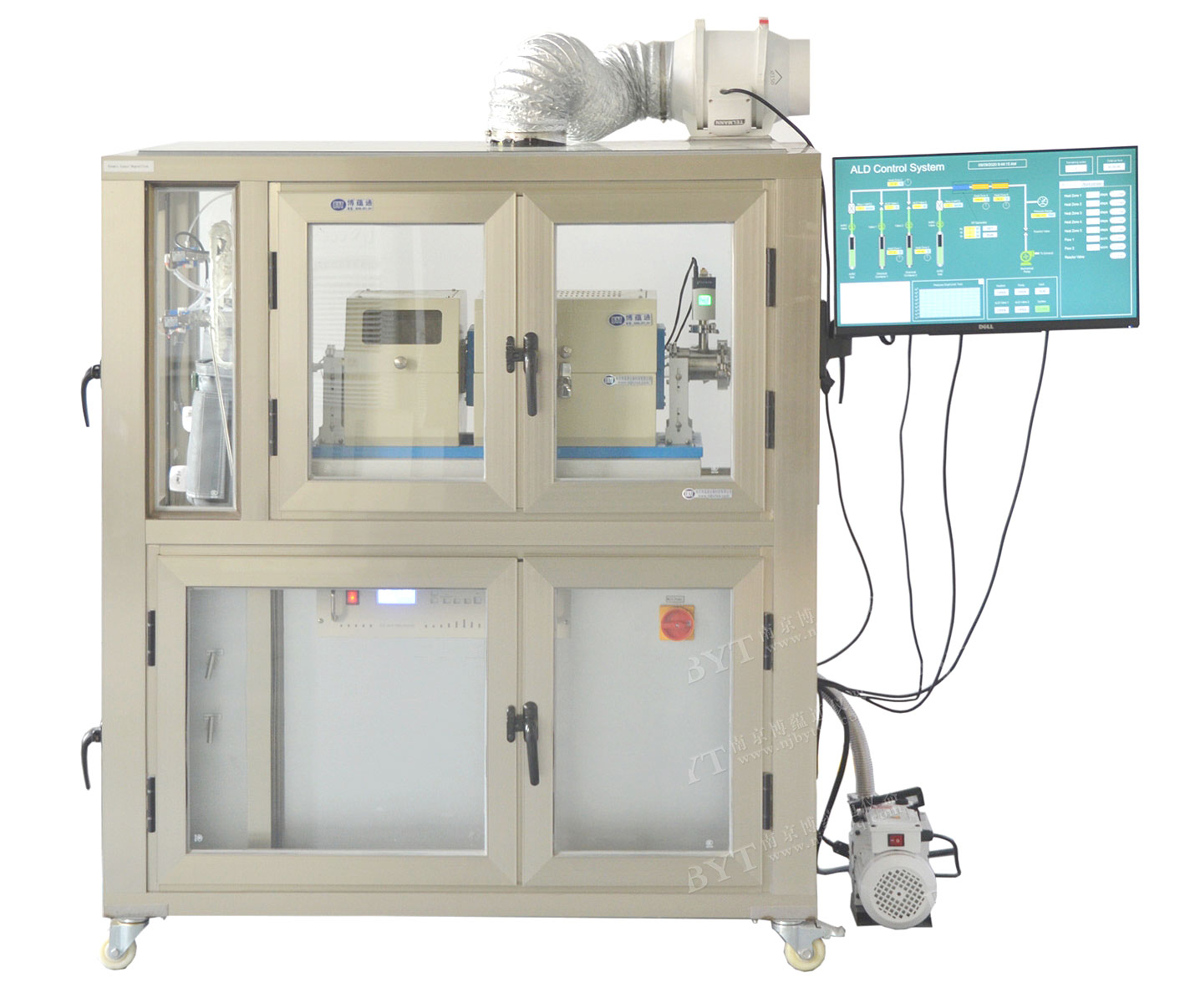
deposition and film systems
A Atomic Layer Deposition System for thin-film growth, coating and surface engineering research.
One published configuration
View equipment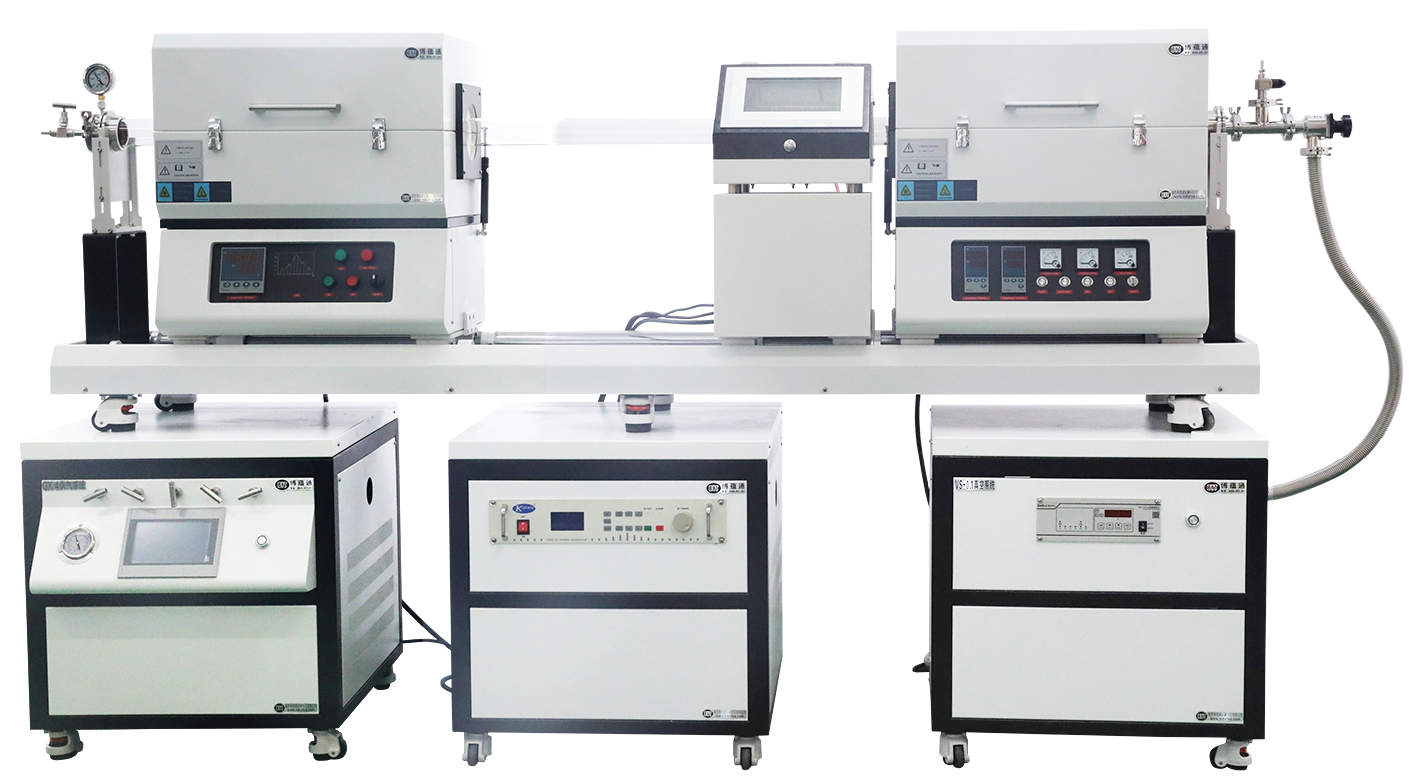
deposition and film systems
A PECVD System for thin-film growth, coating and surface engineering research.
One published configuration
View equipment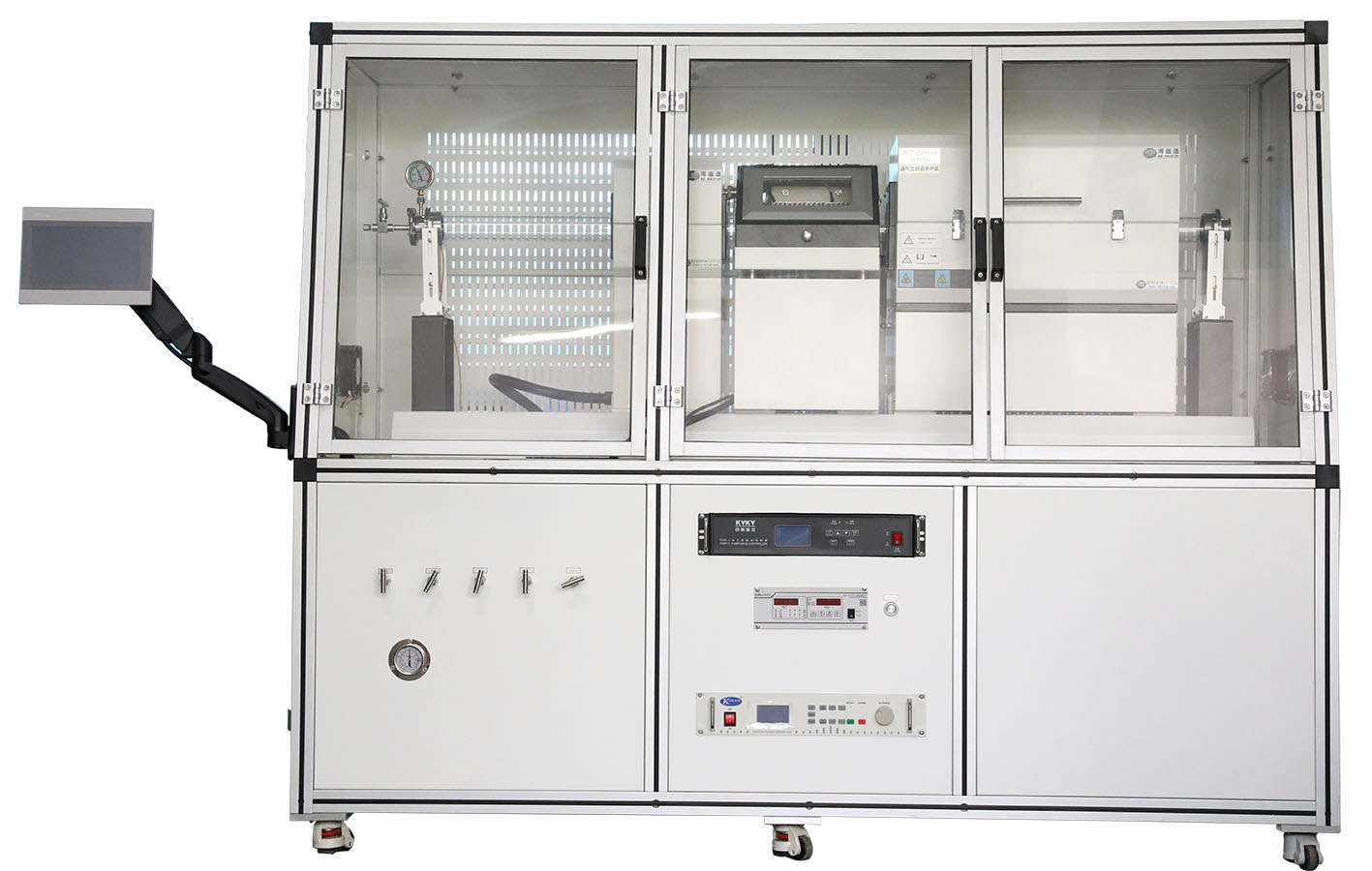
deposition and film systems
A Integrated PECVD System for thin-film growth, coating and surface engineering research.
One published configuration
View equipment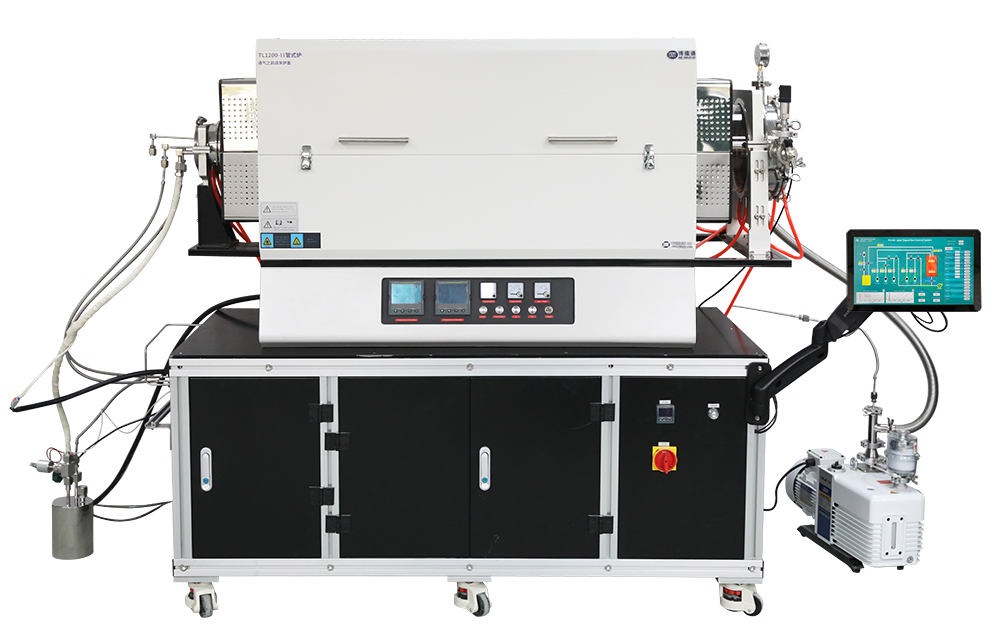
deposition and film systems
A One-Touch MOCVD System for thin-film growth, coating and surface engineering research.
One published configuration
View equipment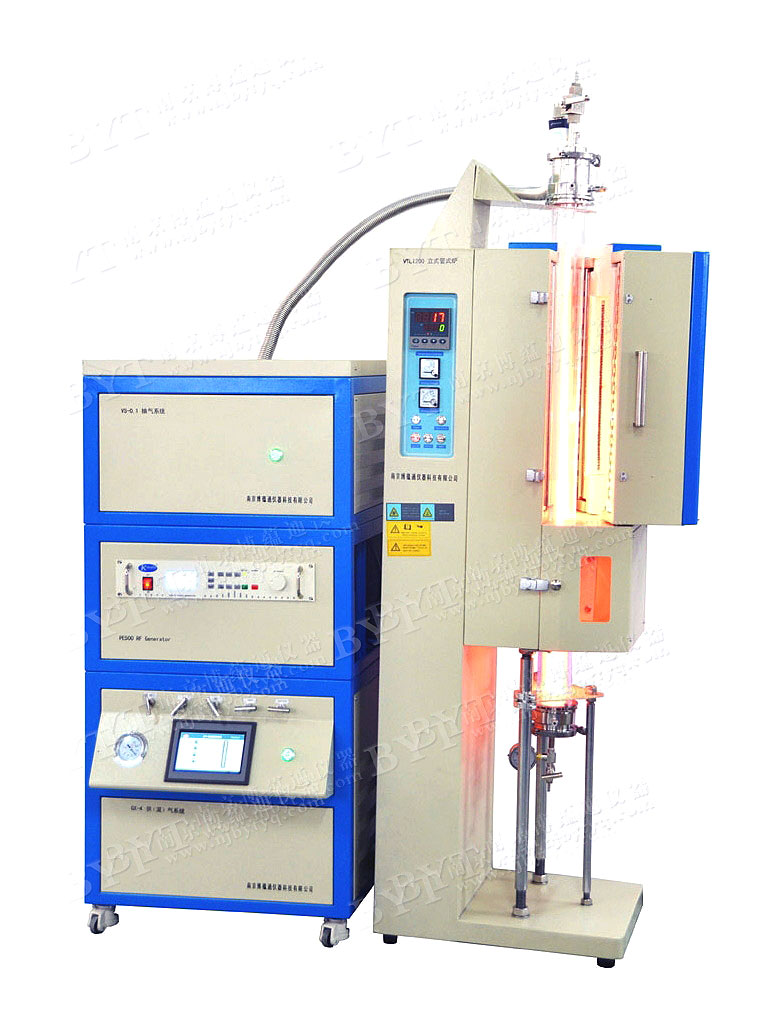
deposition and film systems
A Vertical Vertical Single-Zone PECVD System for thin-film growth, coating and surface engineering research.
One published configuration
View equipment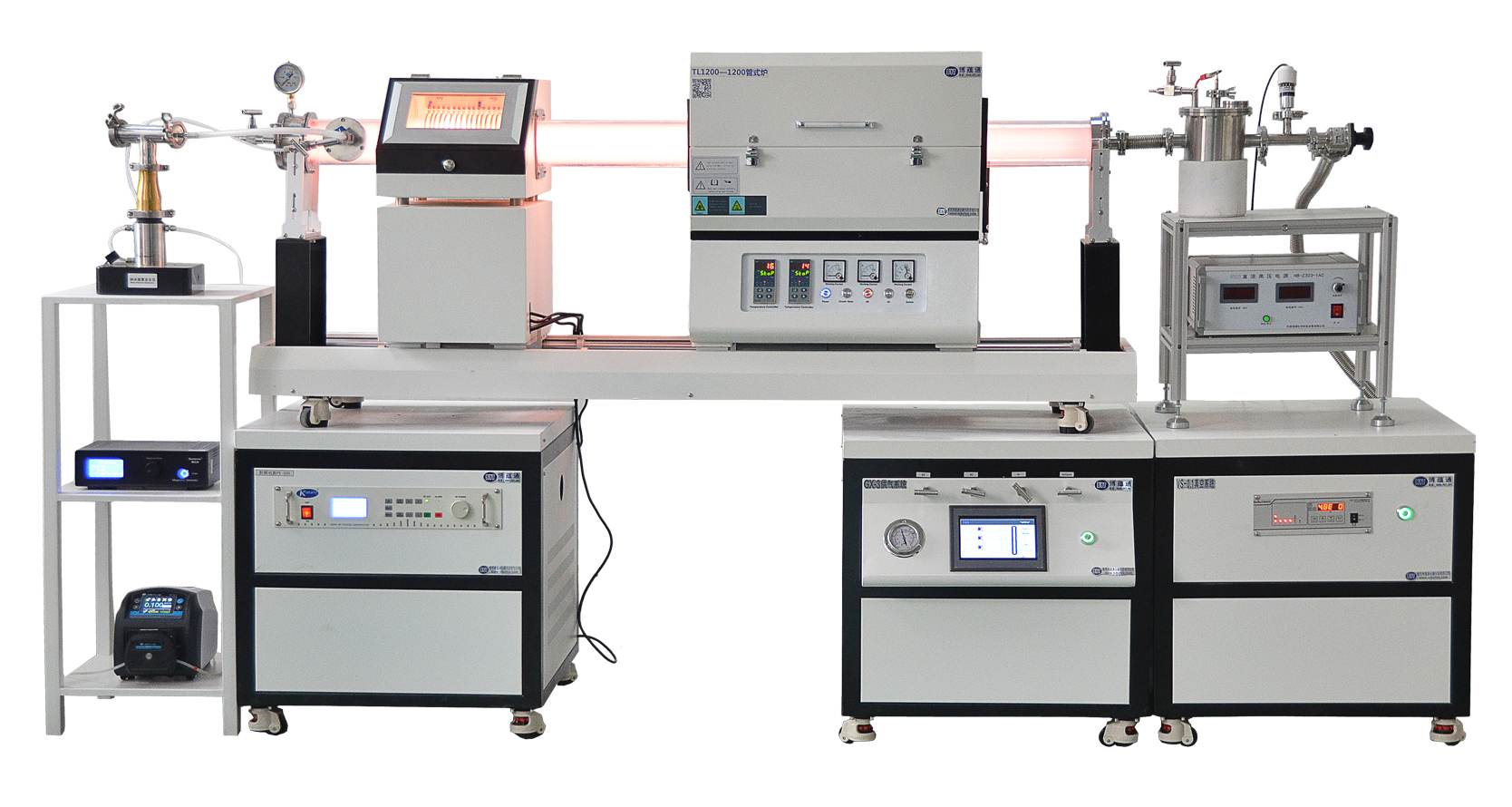
deposition and film systems
A Two-Zone Spray-Pyrolysis PECVD System for thin-film growth, coating and surface engineering research.
One published configuration
View equipment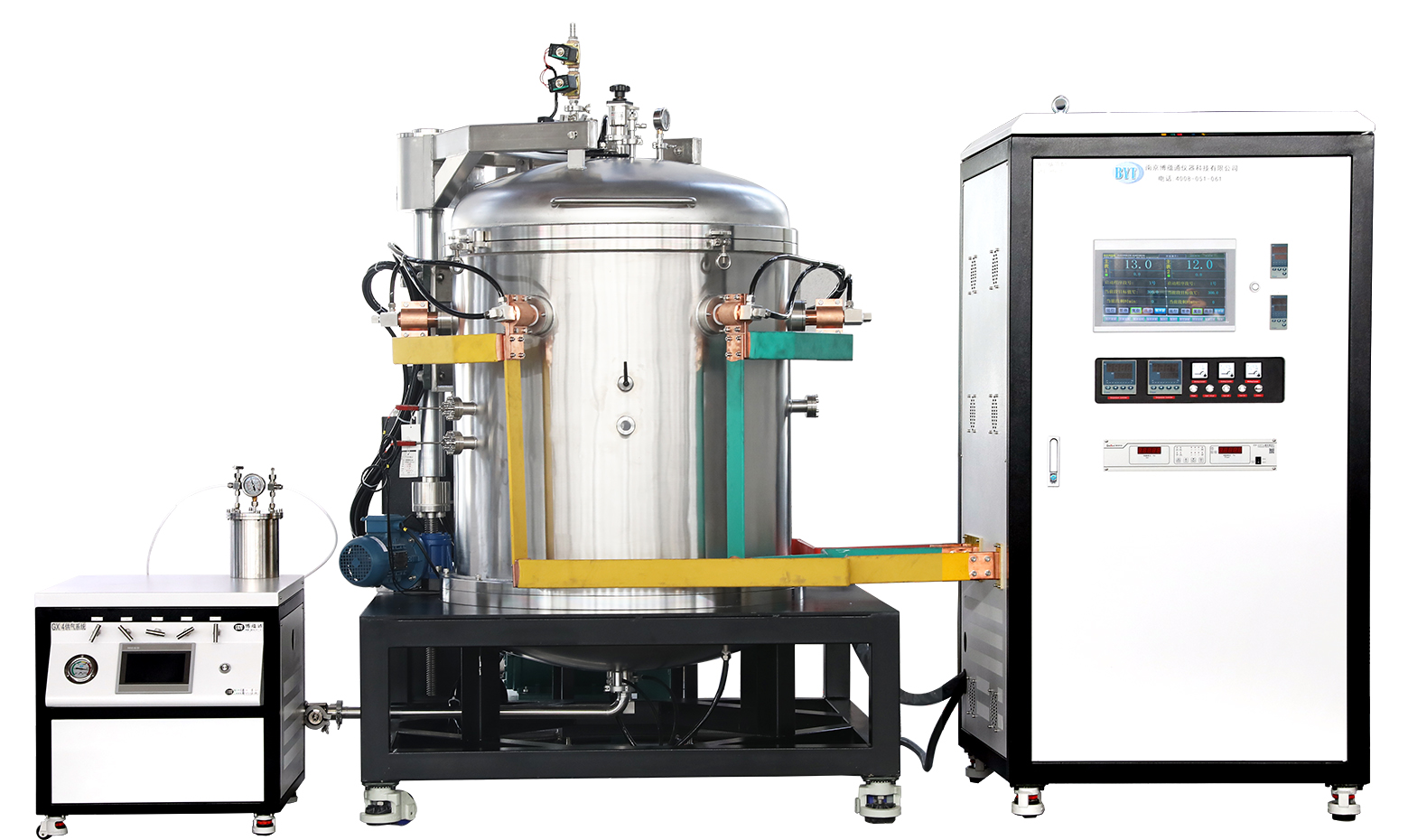
deposition and film systems
A Chemical Vapor Deposition Preparation of Silicon Carbide-Carbon Composite Materials for thin-film growth, coating and surface engineering research.
One published configuration
View equipment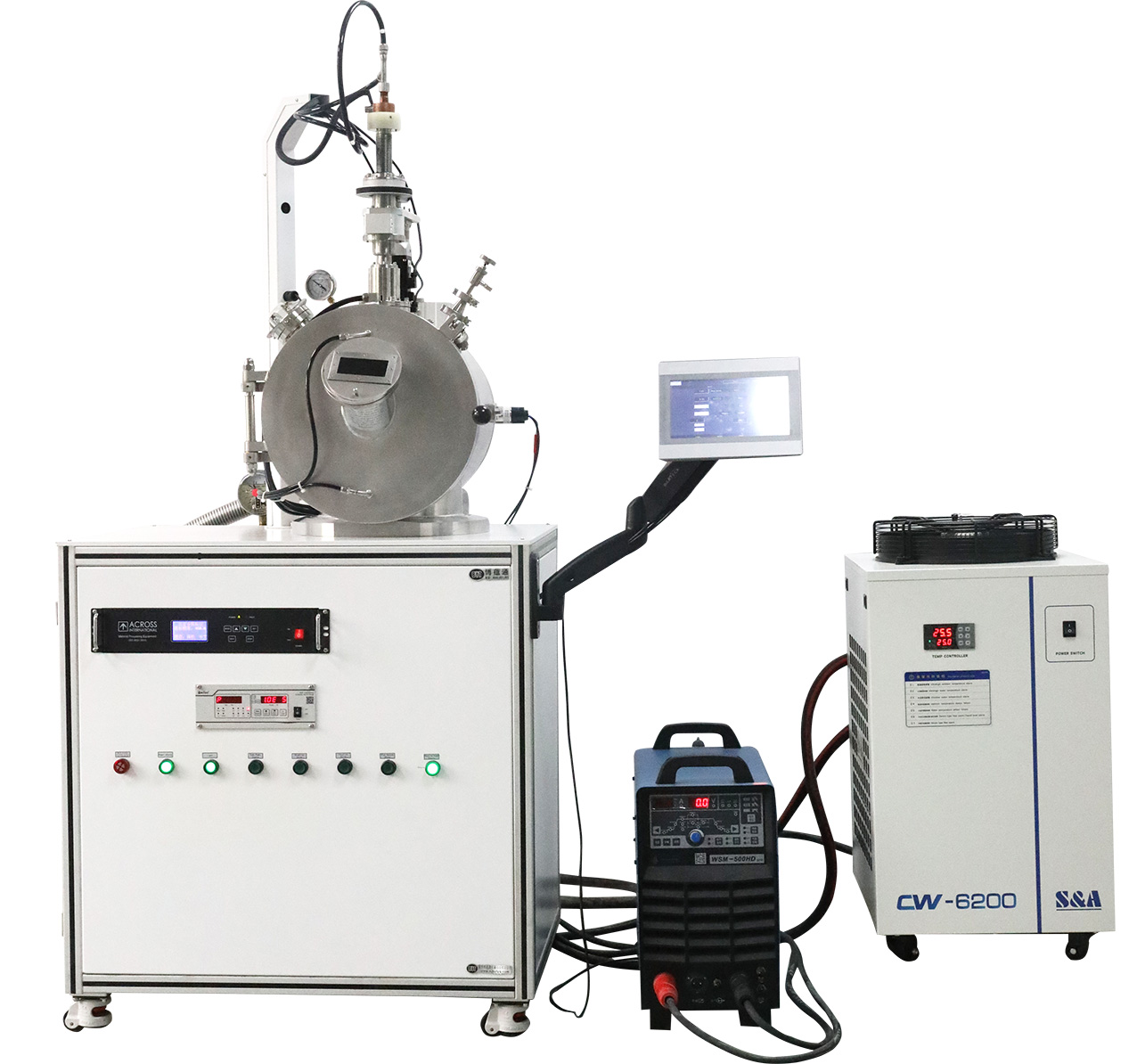
deposition and film systems
A Plasma Discharge Carbon Nanotube Growth System for thin-film growth, coating and surface engineering research.
One published configuration
View equipment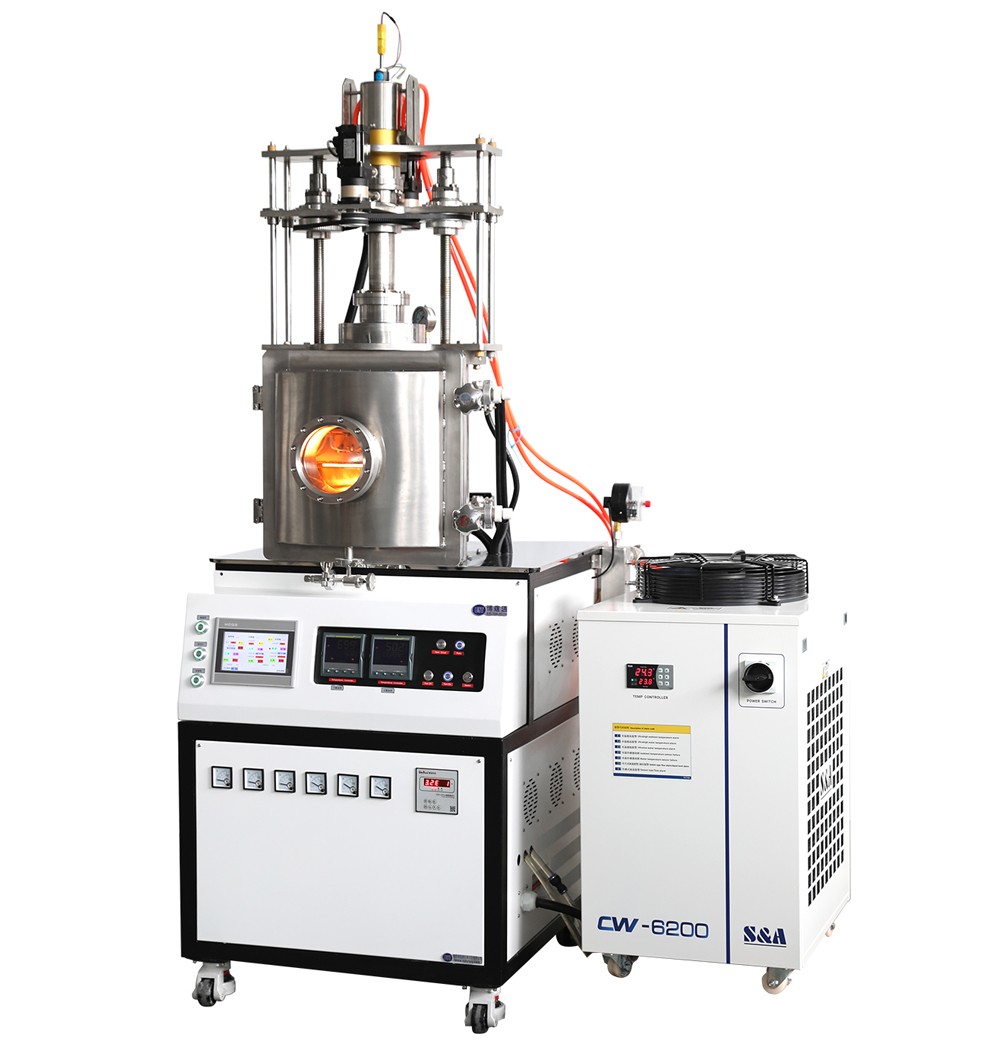
deposition and film systems
A Close-Coupled Rotary Evaporation Coating Furnace for thin-film growth, coating and surface engineering research.
One published configuration
View equipment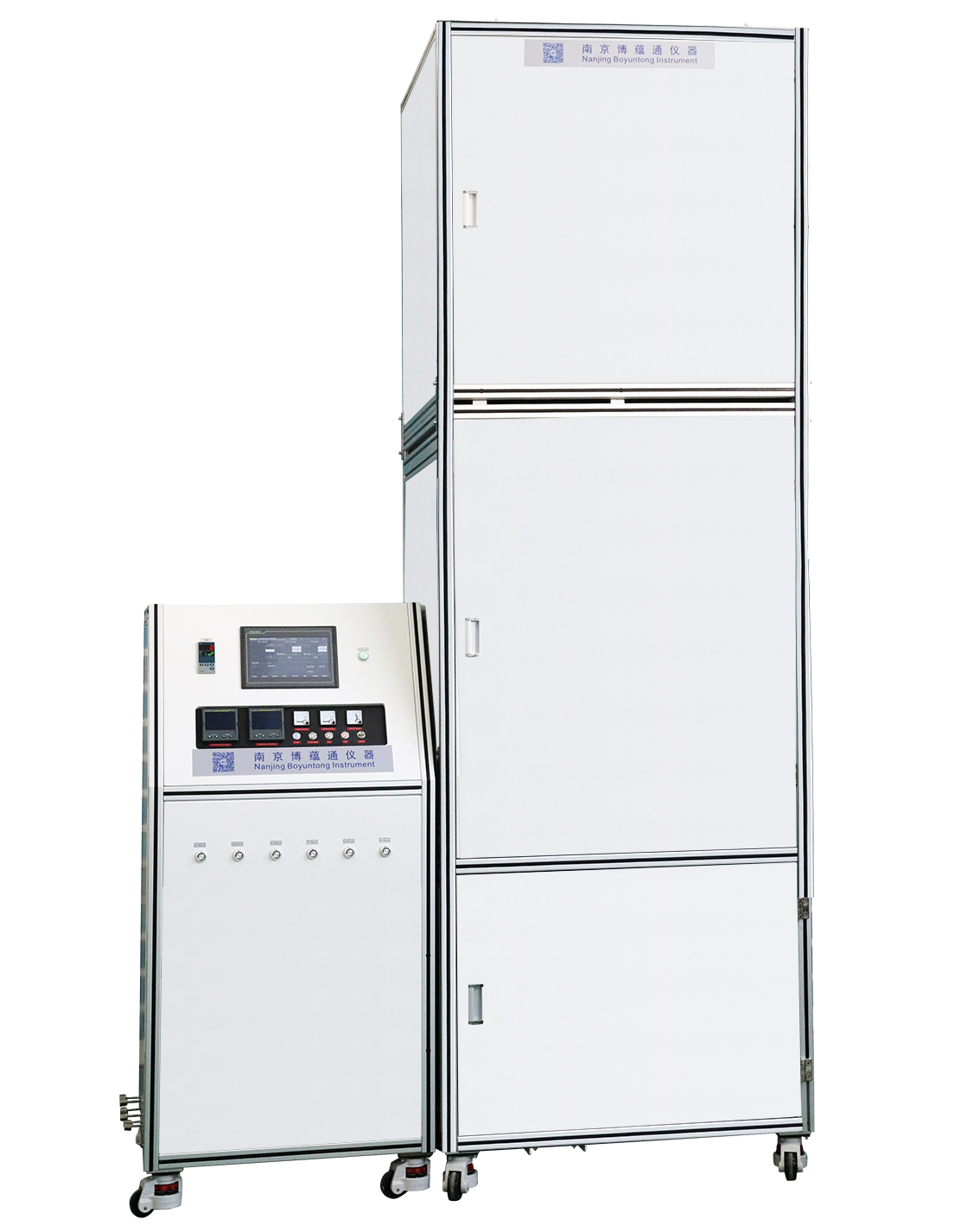
deposition and film systems
A Mo S2 System for thin-film growth, coating and surface engineering research.
One published configuration
View equipmentConversion checklist
Share the film objective, substrate type and target thickness or coating function.
State the precursor set, temperature, pressure and throughput expectation.
Ask for a reactor configuration matched to the deposition route and maintenance plan.
Inquiry questions
Share material, part size, working-zone size, target temperature, atmosphere, vacuum level, pressure or force, batch quantity, utilities and delivery expectations.
Yes. HuanYu reviews the process conditions before recommending a furnace family, hot-zone material, pump package, gas system and control scope.
Need a broader selection checklist? Read the HuanYu equipment guides.
Fast route
nigel@vacuum-furnace.comSend drawings, material data or process targets.
+86 17189516981Use WhatsApp or WeChat for early-stage questions.