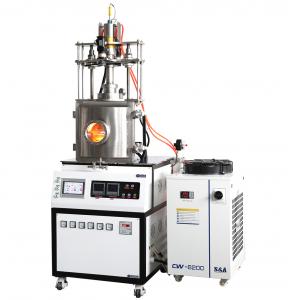
deposition and film systems · RTP-

Close-Coupled Rotary Evaporation Coating Furnace

Our Close-Coupled Rotary Evaporation Coating Furnace combines reactor control, gas delivery and chamber stability for reproducible deposition work.

Direct definition

Close-Coupled Rotary Evaporation Coating Furnace is configured around a defined material process window.

A Close-Coupled Rotary Evaporation Coating Furnace for thin-film growth, coating and surface engineering research.

Model fact

RTP- is documented with process type: Thin-film deposition; process environment: Vacuum / process gas.

Technical overview

Designed around the complete vacuum and thermal process.

Our Close-Coupled Rotary Evaporation Coating Furnace combines reactor control, gas delivery and chamber stability for reproducible deposition work.

01

Thin films

02

Coatings

03

Material synthesis

04

Surface engineering

Key technical facts

  • Designed for gas delivery and deposition process control
  • Supports thin-film and coating workflows
  • Built for repeatable chamber and substrate operation

Technical parameters

Published configuration data by model.

ModelRTP-
Process typeThin-film deposition
Process environmentVacuum / process gas
Typical applicationsThin films, Coatings, Material synthesis

Detailed description

How the furnace is organized around the process.

Deposition and Thin-Film Systems architecture

Our Close-Coupled Rotary Evaporation Coating Furnace combines reactor control, gas delivery and chamber stability for reproducible deposition work.

We keep the layout compact, serviceable and process-focused so each project can be configured around the material, temperature window and utility package that matter most.

  • Thin films
  • Coatings
  • Material synthesis
  • Surface engineering

Reference imagery

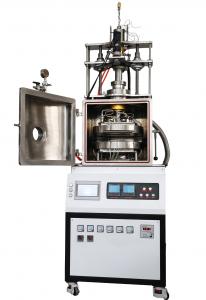
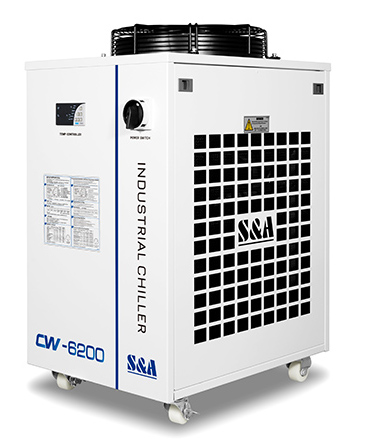
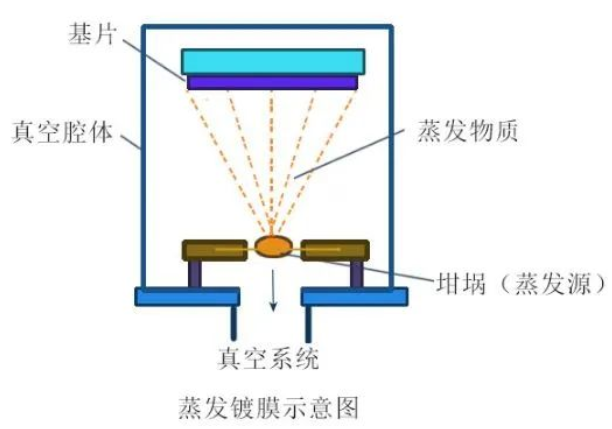
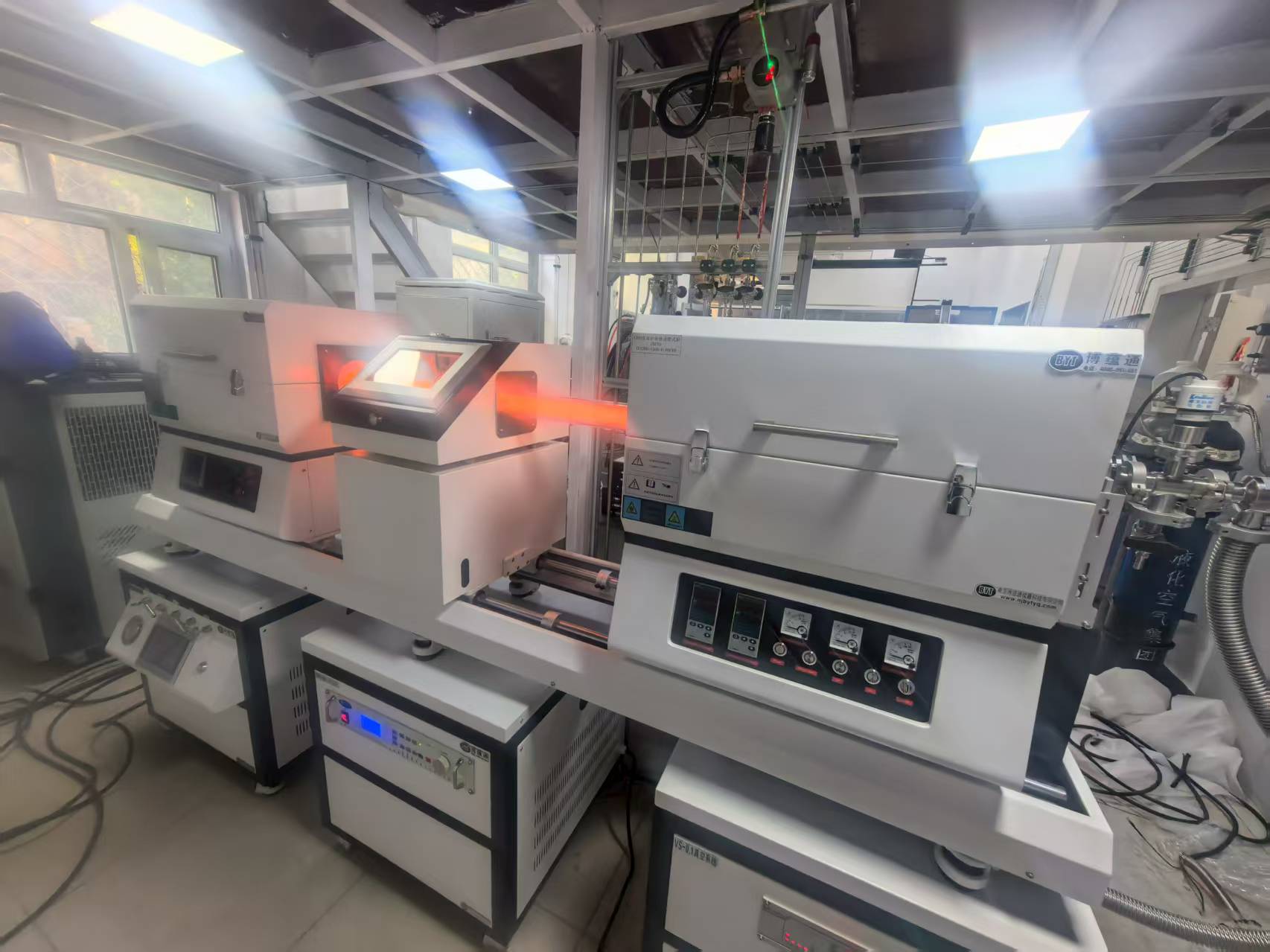
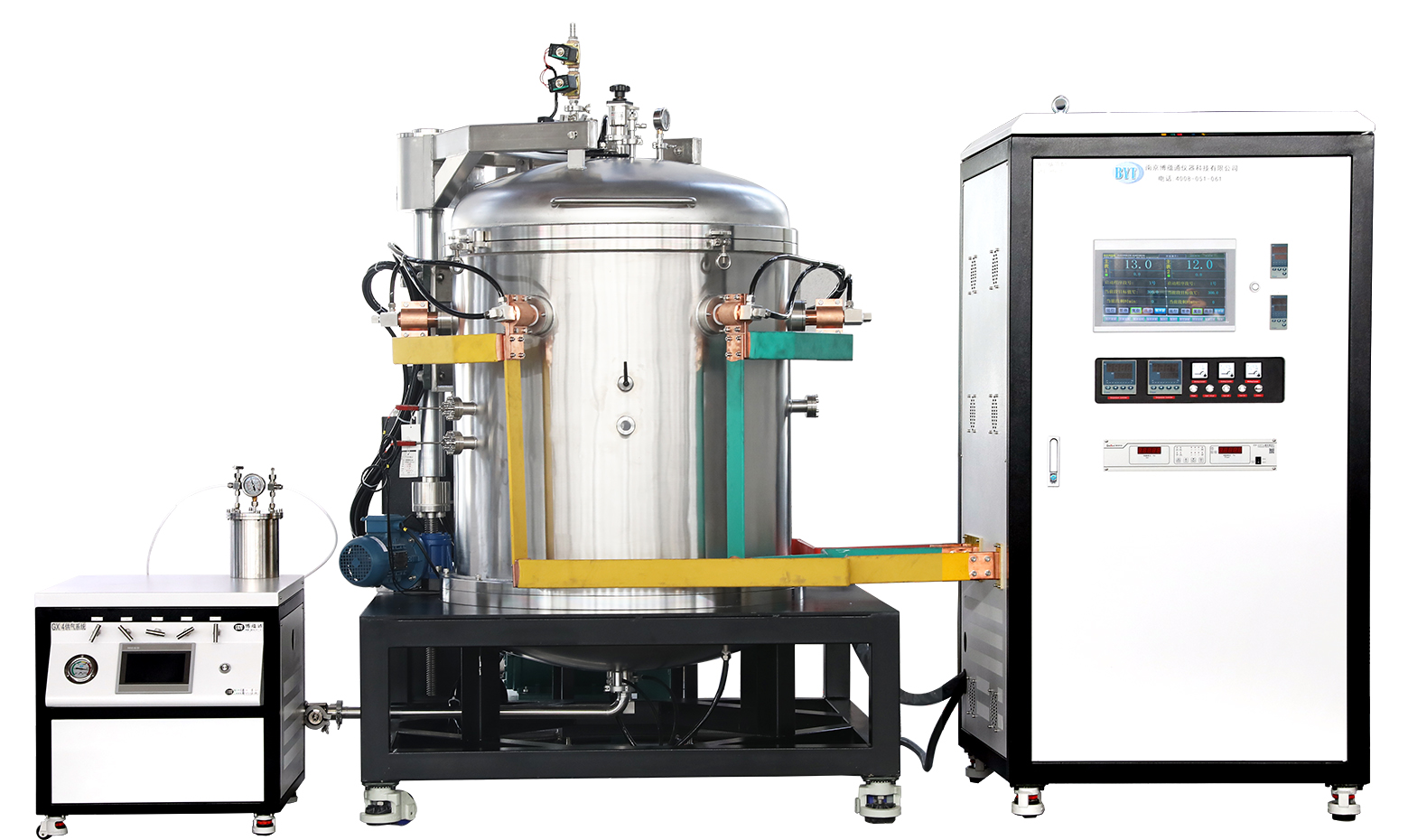
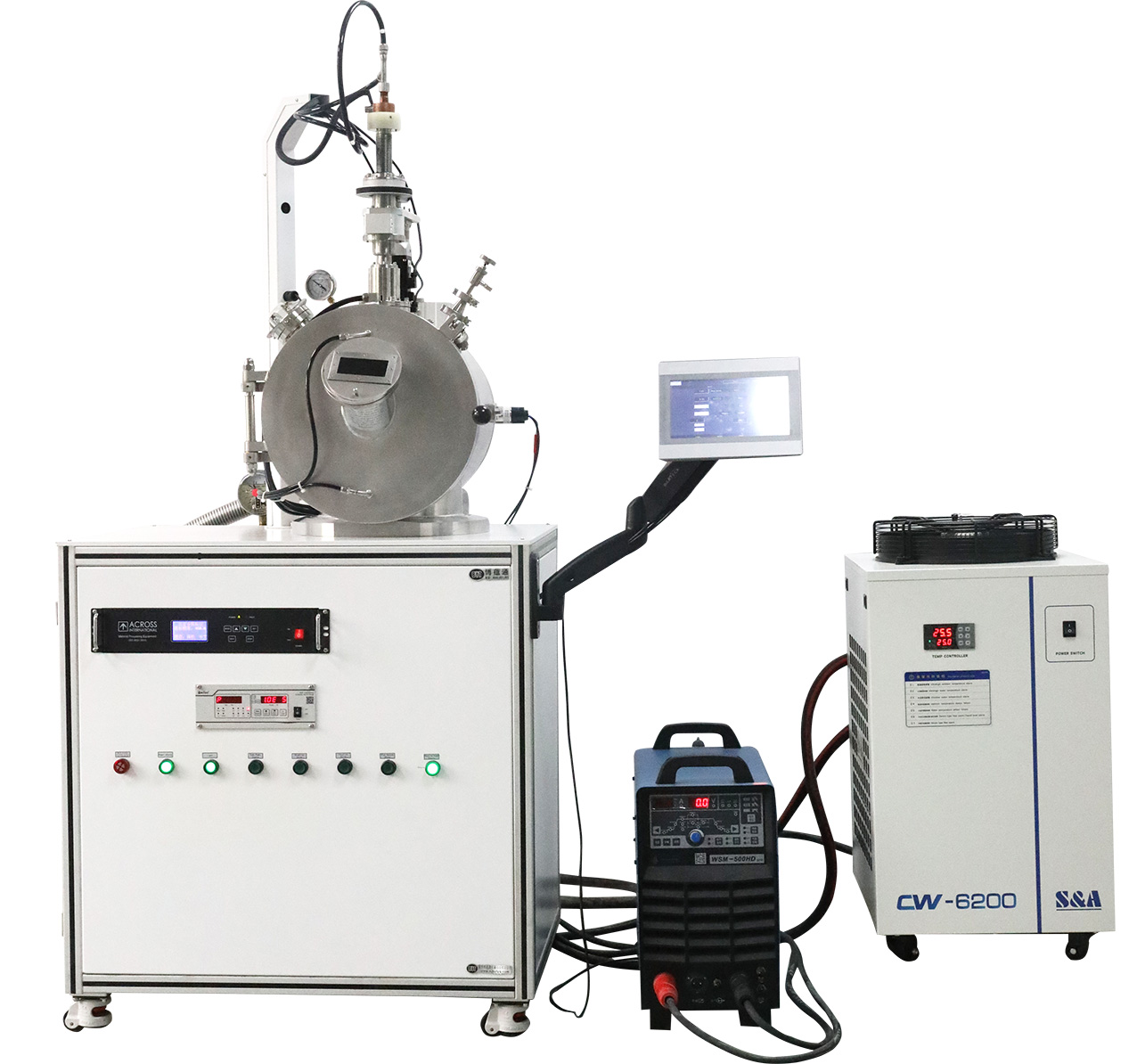
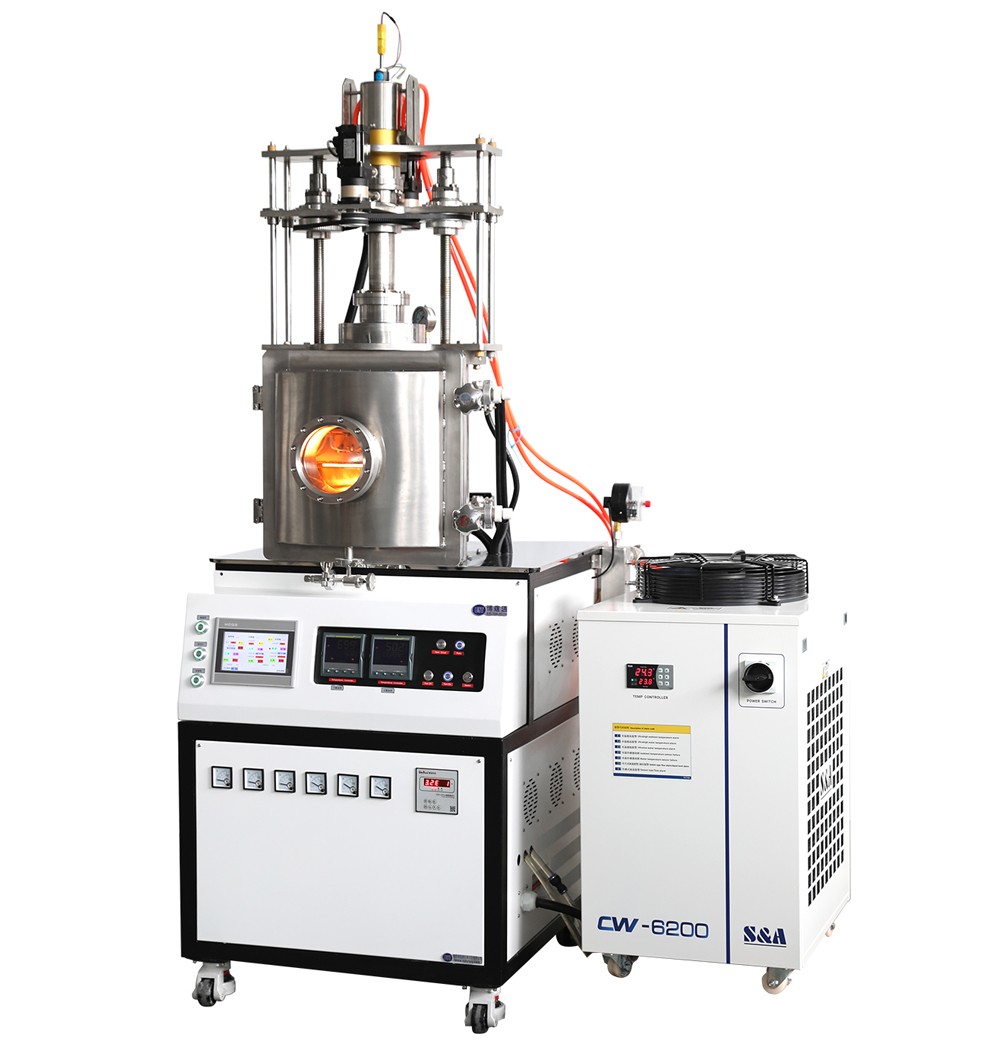
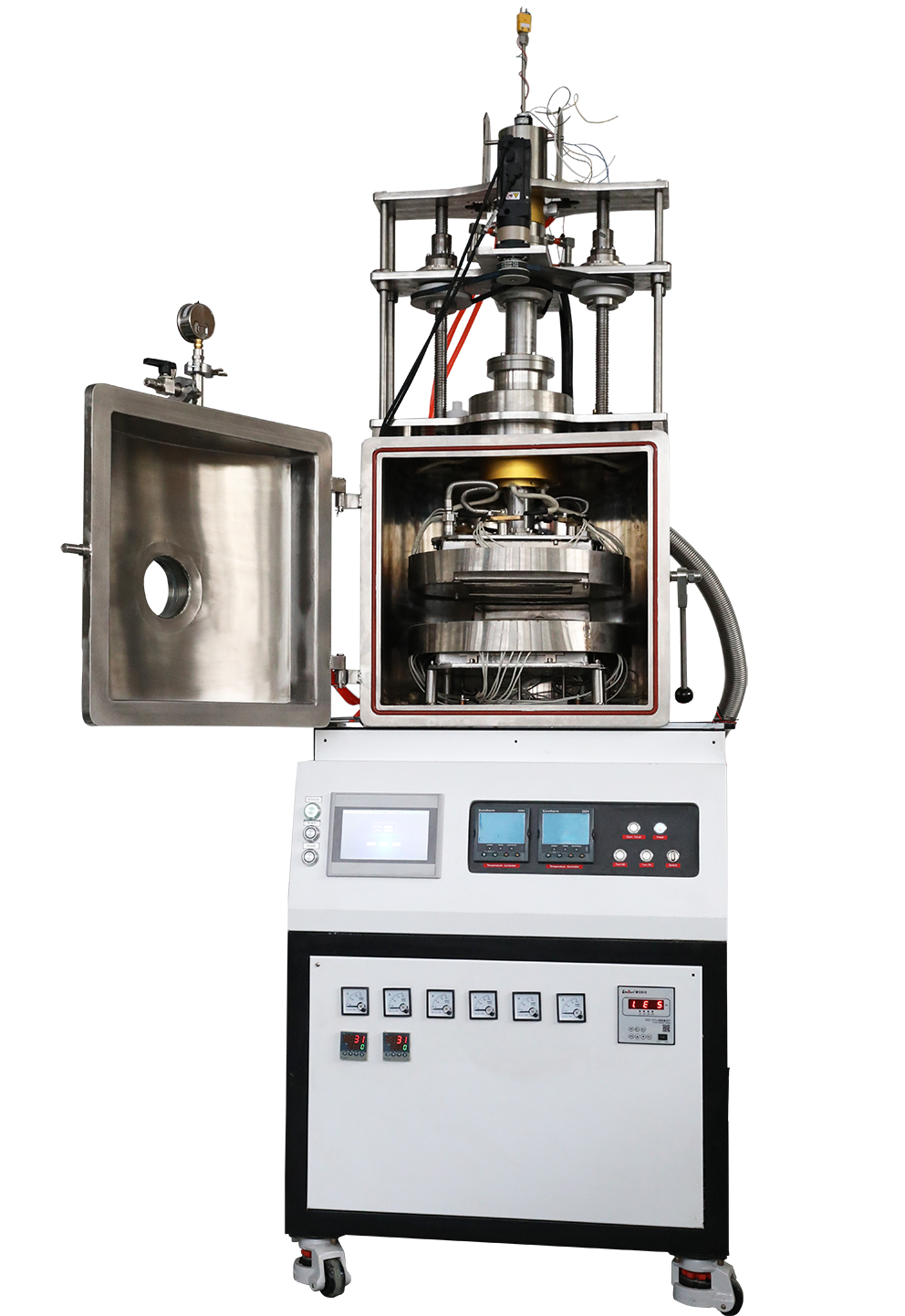
We keep the visual reference material in the gallery so buyers can review the furnace body, support hardware and process layout before requesting a quotation.

Close-Coupled Rotary Evaporation Coating Furnace product image 1
Front view
Close-Coupled Rotary Evaporation Coating Furnace product image 2
Detail view
Close-Coupled Rotary Evaporation Coating Furnace product image 3
System view
Close-Coupled Rotary Evaporation Coating Furnace product image 4
System view
Close-Coupled Rotary Evaporation Coating Furnace product image 5
System view
Close-Coupled Rotary Evaporation Coating Furnace product image 6
System view

Standard configuration

Included equipment scope.

Reaction chamber1 set
Gas delivery cabinet1 set
Vacuum system1 set
Control cabinet1 set
Substrate holder1 set
Operating manual1 copy

Optional configuration

Utilities and monitoring options.

Precursor cabinet1 set
Process data package1 system

Product FAQ

Questions to answer before requesting a configuration.

What is the Close-Coupled Rotary Evaporation Coating Furnace used for?

Close-Coupled Rotary Evaporation Coating Furnace is intended for thin films, coatings, material synthesis, surface engineering. The final process fit depends on the material, cycle and required acceptance criteria.

What information should I provide for a technical recommendation?

Provide the material, part or sample dimensions, target temperature, atmosphere or vacuum level, batch size, process time, cooling preference and any tooling or automation requirements.

Can the equipment configuration be customized?

The configuration can be reviewed around chamber size, heating system, atmosphere, vacuum train, controls, cooling, tooling and safety interlocks before a technical proposal is prepared.

Request a configuration

Turn a product family into a technical conversation.

The more process context you share, the more useful our first reply can be.

No account is required. The form prepares an email in your default mail client.

Direct inquiry routes

Move from product research to a focused RFQ path.

Use these landing pages when you already know the process family and want to ask for a configuration.

thin film deposition system supplierInquiry page

Thin Film Deposition System Supplier

Specify a thin-film deposition system by comparing precursor chemistry, substrate size, reactor geometry, temperature, pressure, gas delivery, exhaust handling and maintenance access.

Open inquiry page

Project evidence

Related HuanYu project records.

Related equipment

Continue exploring