vacuum sintering furnaces · VCF-270-21

2100 °C Vacuum Carbon Tube Sintering Furnace

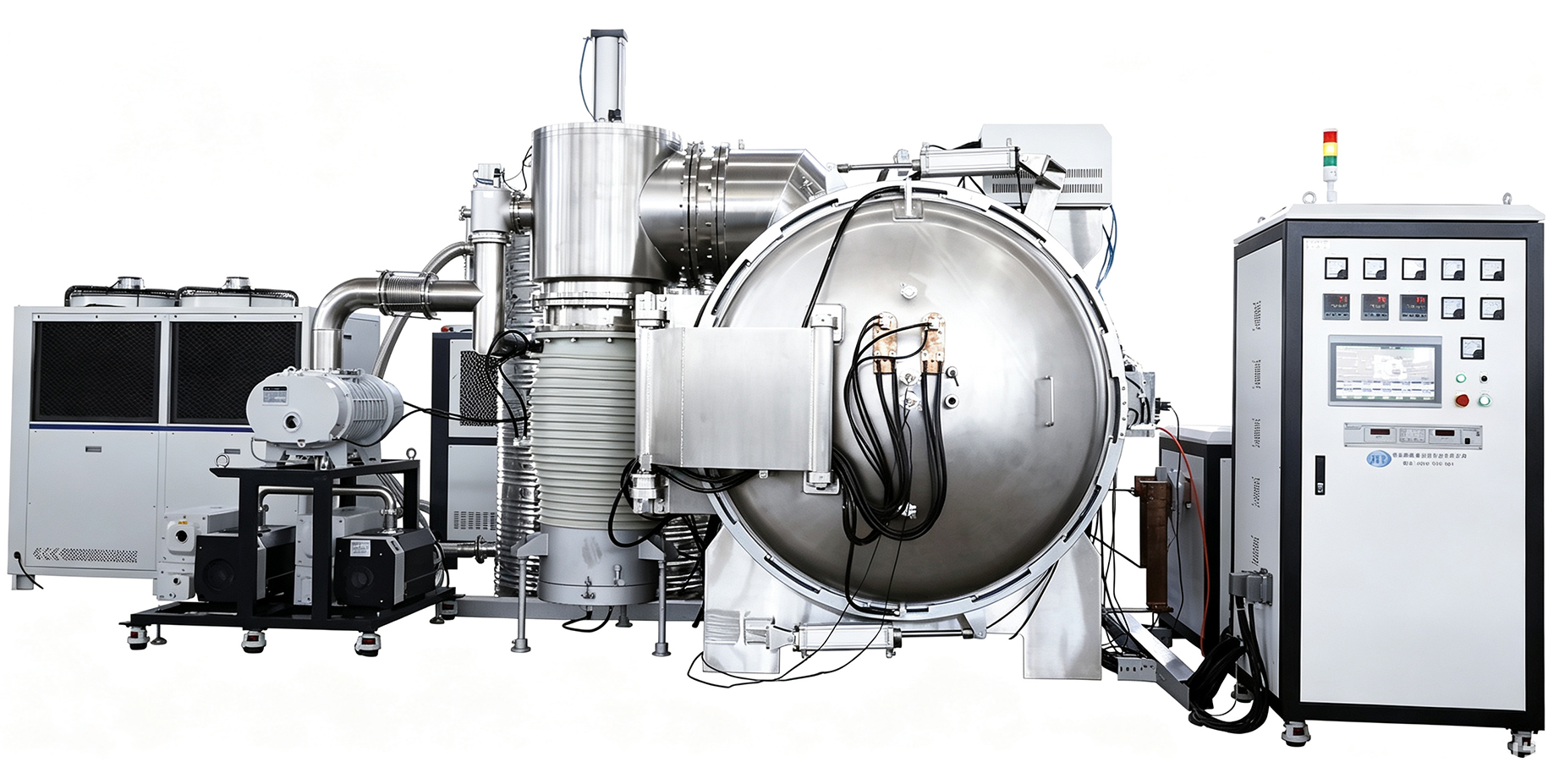
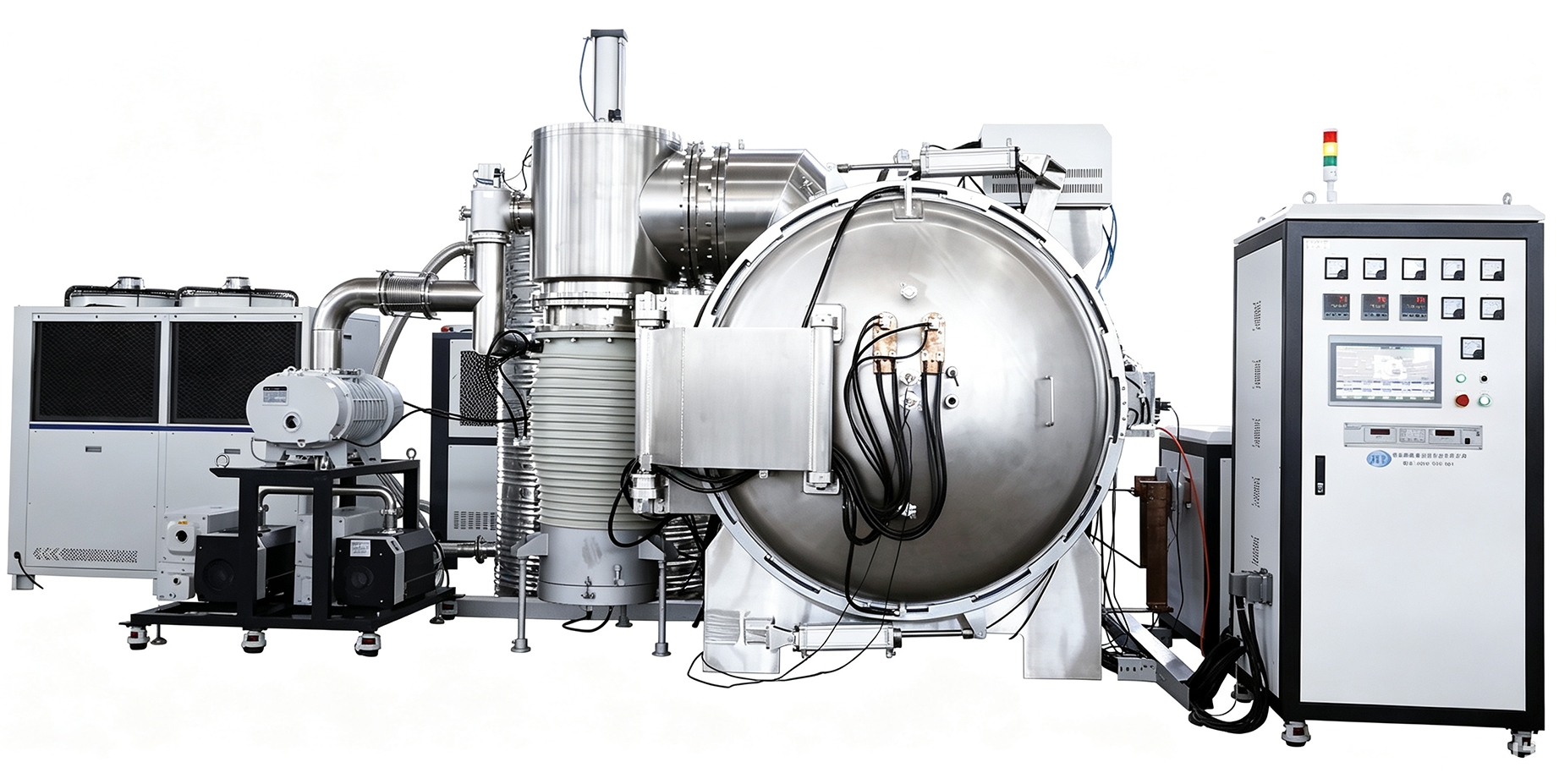
The VCF-270-21 is a horizontal, front-loading vacuum furnace with a graphite heating system, a diffusion-pump vacuum train and a 600 × 600 × 600 mm effective working zone. Its configuration is organized around high-temperature processing, controlled vacuum, monitored cooling and programmable temperature cycles.

Direct definition

2100 °C Vacuum Carbon Tube Sintering Furnace is configured around a defined material process window.

A high-temperature vacuum carbon-tube sintering furnace for heat treatment, debinding, annealing, degassing and sintering of carbon-based, ceramic and advanced inorganic materials.

Model fact

VCF-270-21 is documented with maximum heating temperature: 2100 °C; effective working zone: 600 × 600 × 600 mm.

Technical overview

Designed around the complete vacuum and thermal process.

The VCF-270-21 is a horizontal, front-loading vacuum furnace with a graphite heating system, a diffusion-pump vacuum train and a 600 × 600 × 600 mm effective working zone. Its configuration is organized around high-temperature processing, controlled vacuum, monitored cooling and programmable temperature cycles.

01

Vacuum sintering of ceramic and powder materials

02

Thermal treatment of carbon-based materials

03

Vacuum debinding, annealing and degassing

04

High-temperature process development under vacuum or controlled gas

Key technical facts

  • Maximum heating temperature: 2100 °C
  • Effective working zone: 600 × 600 × 600 mm
  • Chamber vacuum with diffusion-pump system: below 5 × 10⁻³ Pa
  • Rated furnace and vacuum-system power listed for this configuration: 303 kW
  • Temperature control accuracy listed for this configuration: ±1 °C
  • Our cooling-water circuit and vacuum equipment are protected by monitored interlocks

Technical parameters

Published configuration data by model.

ModelVCF-270-21
Maximum heating temperature2100 °C
Effective working zone600 × 600 × 600 mm
Maximum listed power303 kW, including the furnace and vacuum pumps
Power supplyThree-phase, 380 V, 50/60 Hz
Temperature program50-segment programmable control
Control interface14-inch touchscreen; pump and valve operation, process setup, curve viewing, storage and export
Remote systemOptional mobile mini-program control, status monitoring, temperature reports and alarm viewing
Heating elementGraphite, distributed around the hot zone, front door and rear wall
Temperature sensorsTungsten-sheathed tungsten-rhenium thermocouples
Maximum heating rateBelow 20 °C/min
Temperature control accuracy±1 °C
Chamber vacuumBelow 5 × 10⁻³ Pa with the diffusion-pump train
Chamber gas pressureBelow 0.05 MPa
Pressure-rise rateBelow 4 Pa/h
Chamber coolingWater-cooled chamber
Observation window90 mm diameter
Protection functionsThermocouple-break display, over-temperature, over-current and water-pressure protection
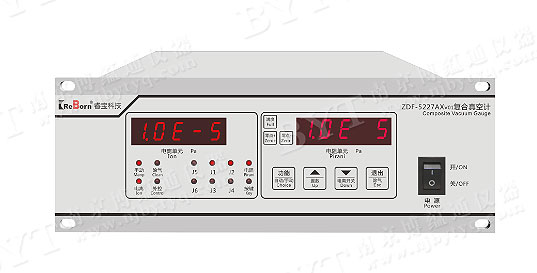
Vacuum gaugeZDF compound vacuum gauge; 220 V, 55 W; ±1% listed control accuracy; 10⁻⁵ to 10⁵ Pa listed range
Vacuum bellowsKF40 × 1000 mm
Vacuum butterfly valveKF40
Vacuum trainTwo mechanical pumps, one Roots pump and one KT600 diffusion pump
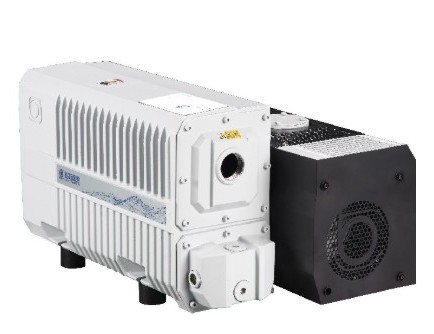
Front mechanical pumpsSRV300B, two units; 5.5 kW each; 380 V; 1450 rpm; KF50 inlet; 67 L/s listed pumping speed; 8 Pa listed ultimate pressure
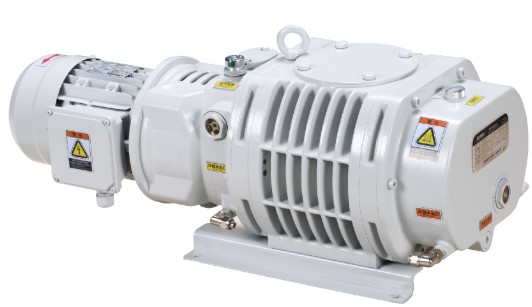
Roots pumpBSJ1200LC; 11 kW; ISO250 inlet; 0.4 Pa listed ultimate pressure; 6 × 10⁻³ Pa listed allowable pressure difference; 1.5 L lubricant capacity
Diffusion pumpKT600; 380 V; 9 kW; DN600 inlet; DN150 outlet; 7 L oil charge; 17,500 L/s listed nitrogen pumping speed
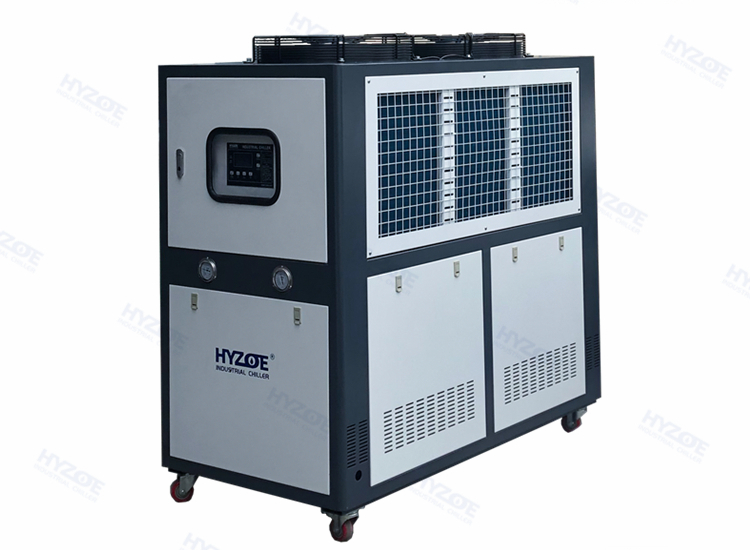
Optional water chiller25 HP; three-phase 380 V, 50 Hz; 60.2 × 10³ kcal/h cooling capacity; 24 kW input; 50 m pump head; 11.1 m³/h chilled-water flow; 350 L tank
Optional water tank2 tonnes
Optional water pumpHorizontal multistage centrifugal pump; 20 m³/h rated flow; 55 m head; 2.5-inch connection
Total furnace weightApproximately 8 tonnes, excluding the chiller and water tank
Installation requirements303 kW total power; three-phase 380 V; two parallel 150 mm² cable runs; 600 A three-phase molded-case circuit breaker; deionized water for chiller; approximately 800 mm clearance around equipment
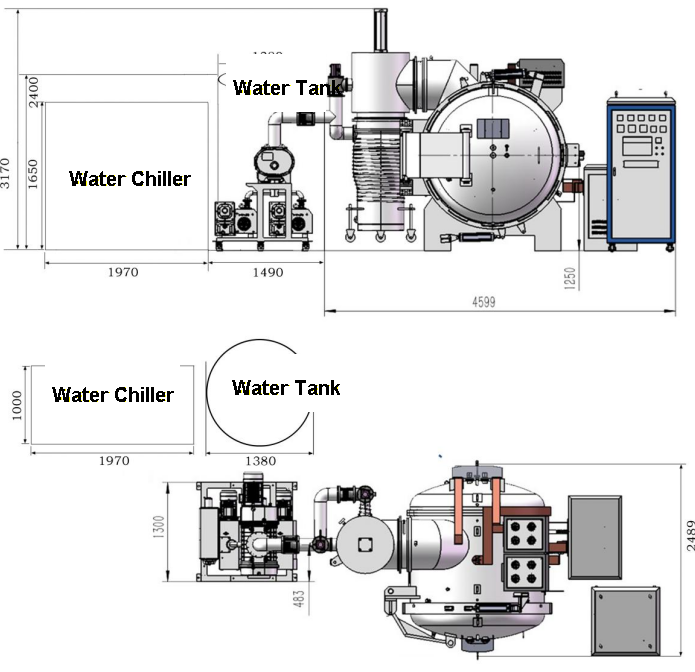
System layoutSee the English-labelled layout drawing in the product media gallery

Detailed description

How the furnace is organized around the process.

Furnace body and loading architecture

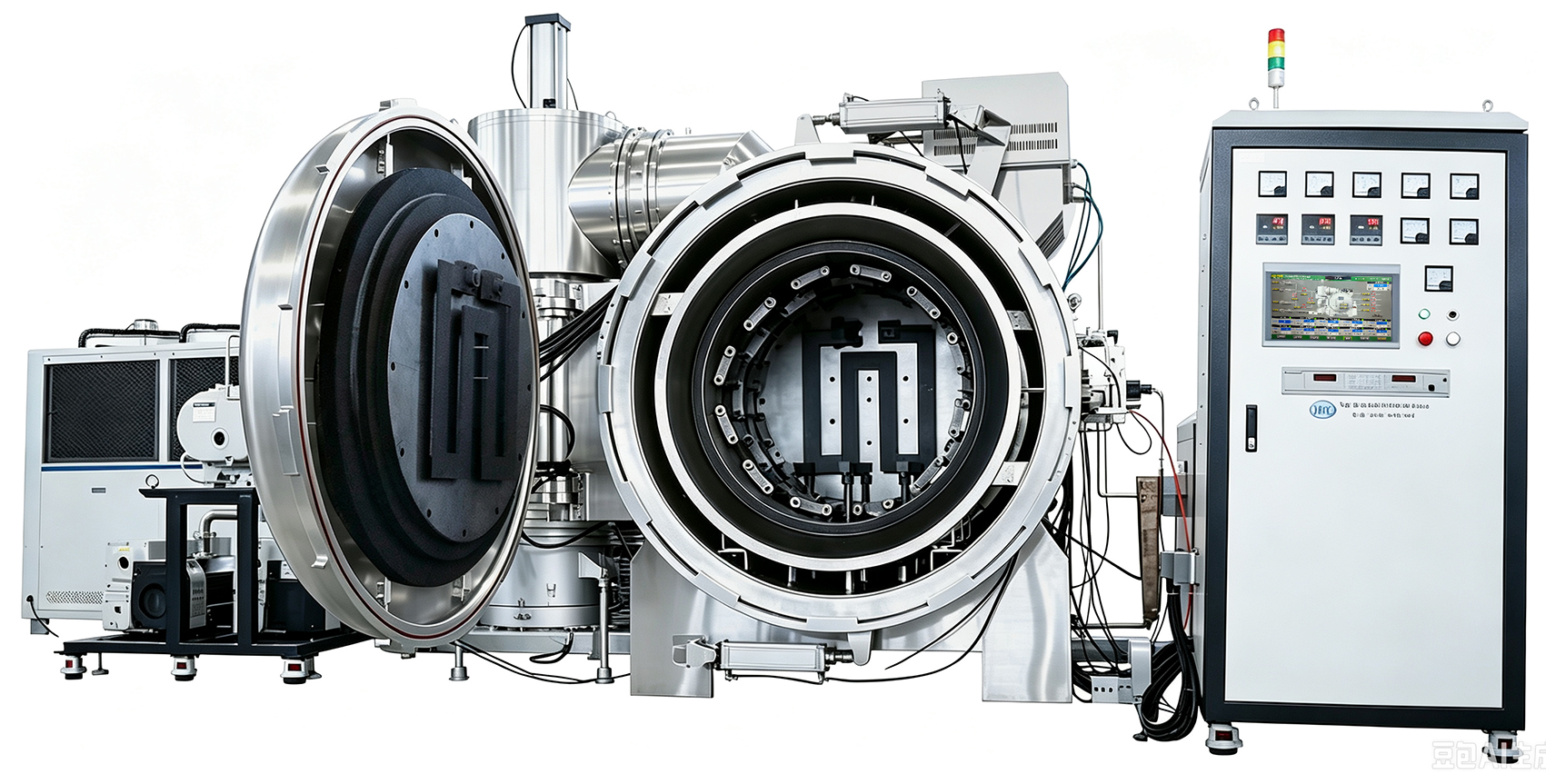
Our horizontal front-loading arrangement gives the operator a direct loading path to the cubic working zone. We use a cylindrical stainless-steel vacuum chamber with an integrated heavy-duty support base. The double-wall chamber is water-cooled to remove heat from the body and protect nearby vacuum and electrical components.

The front door uses pneumatic actuation with an electric locking and compression mechanism. Its position and locking state can be interlocked with the heating and high-vacuum systems. The graphite heating elements are distributed around the working zone, front door and rear wall, while multiple temperature measurement points monitor the hot zone and activate protection when an abnormal condition is detected.

  • 600 × 600 × 600 mm effective working zone
  • Graphite heating and carbon-felt insulation
  • Water-cooled vacuum chamber
  • Front observation window, 90 mm diameter

Vacuum system and process environment

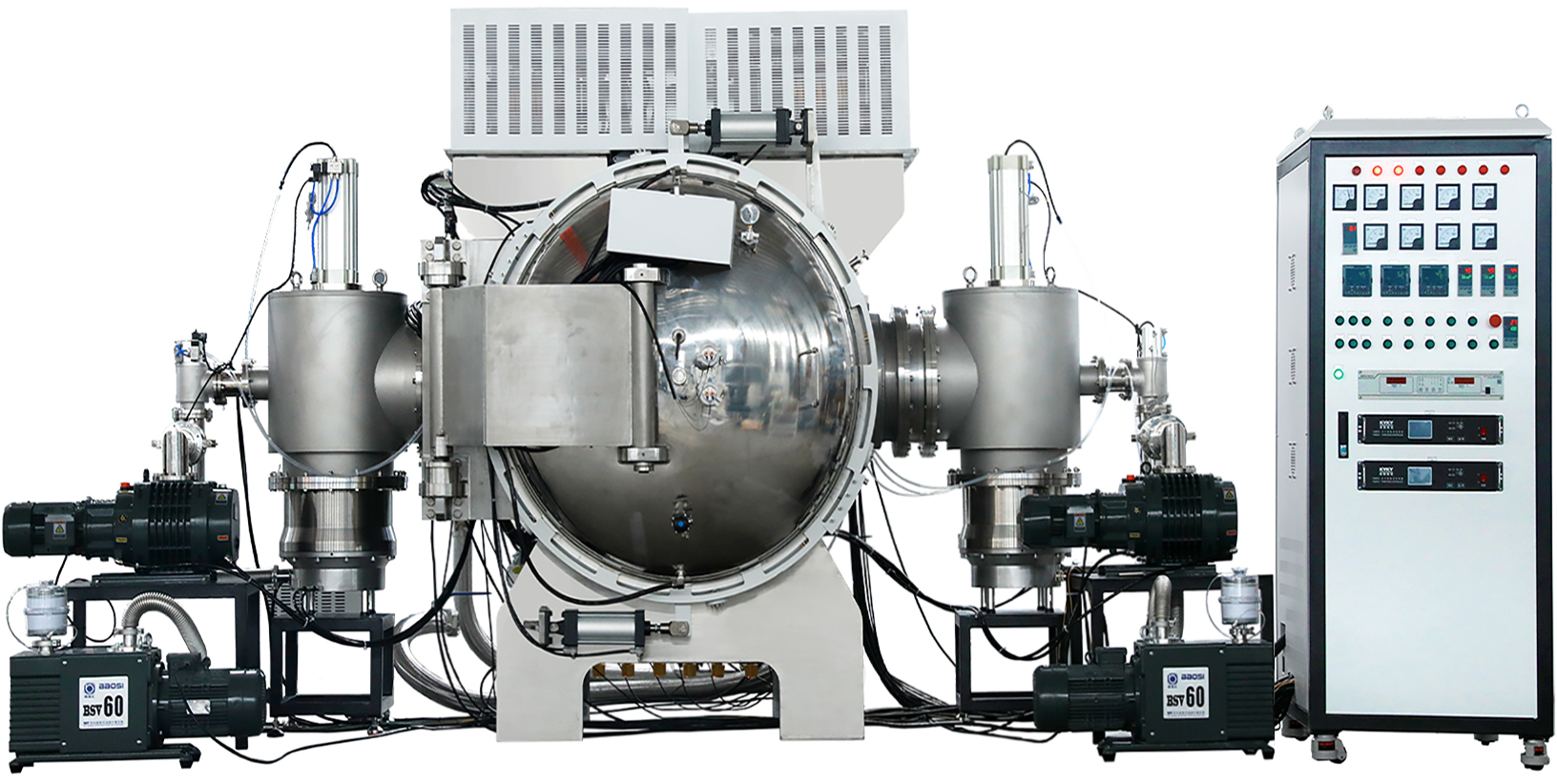
Our vacuum train combines two mechanical pumps, a Roots pump and a diffusion pump. This staged arrangement moves from rough pumping to high-vacuum operation while the compound vacuum gauge monitors the chamber condition.

For this configuration, we specify a chamber vacuum below 5 × 10⁻³ Pa, chamber gas pressure below 0.05 MPa and pressure-rise rate below 4 Pa/h. Final acceptance values should be confirmed against the material, loading pattern, temperature cycle and agreed test method.

  • SRV300B mechanical pumps: two units
  • BSJ1200LC Roots pump
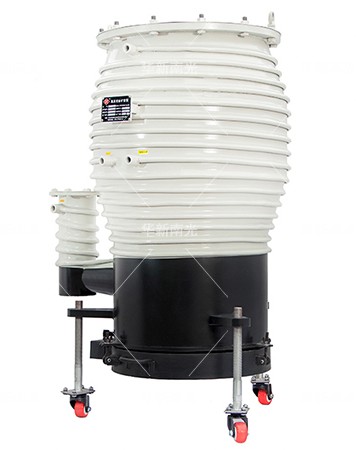
  • KT600 diffusion pump
  • KF40 flexible bellows and KF40 vacuum butterfly valve listed
  • ZDF compound vacuum gauge
SRV300B mechanical vacuum pump used in the VCF-270-21 vacuum pumping train
Mechanical vacuum pump
Secondary mechanical pump reference for the VCF-270-21 vacuum system
Pump assembly
Diffusion pump reference for high-vacuum operation on the VCF-270-21 furnace
Diffusion pump
Compound vacuum gauge for monitoring VCF-270-21 chamber pressure
Compound vacuum gauge

Control, monitoring and protection

Our control system uses a 50-segment temperature program and a 14-inch touchscreen interface. The software controls pump and valve operation, heating-cycle setup, process-curve viewing, storage and export.

We include thermocouple-break display, over-temperature protection, over-current protection and water-pressure protection in the published configuration. The final control and safety scope is confirmed against the electrical diagram and site utilities before order confirmation.

  • 50-segment programmable temperature control
  • 14-inch touchscreen interface
  • Pump and valve operation through the control interface
  • Temperature curve viewing, storage and export
  • Optional remote monitoring through a mobile mini-program

Cooling and installation requirements

Our equipment requires a dedicated three-phase 380 V supply and a cooling-water arrangement. The optional cooling package includes a 25 HP chiller and a 2-ton water tank; we also list a horizontal multistage centrifugal pump for the water circuit.

The installation reference for this model specifies 303 kW total power, two parallel 150 mm² cable runs, a 600 A three-phase molded-case circuit breaker and deionized water for the chiller. We confirm the final utility design, lifting route, floor loading and service clearances for each project.

Industrial water chiller for the VCF-270-21 furnace cooling circuit
Industrial water chiller
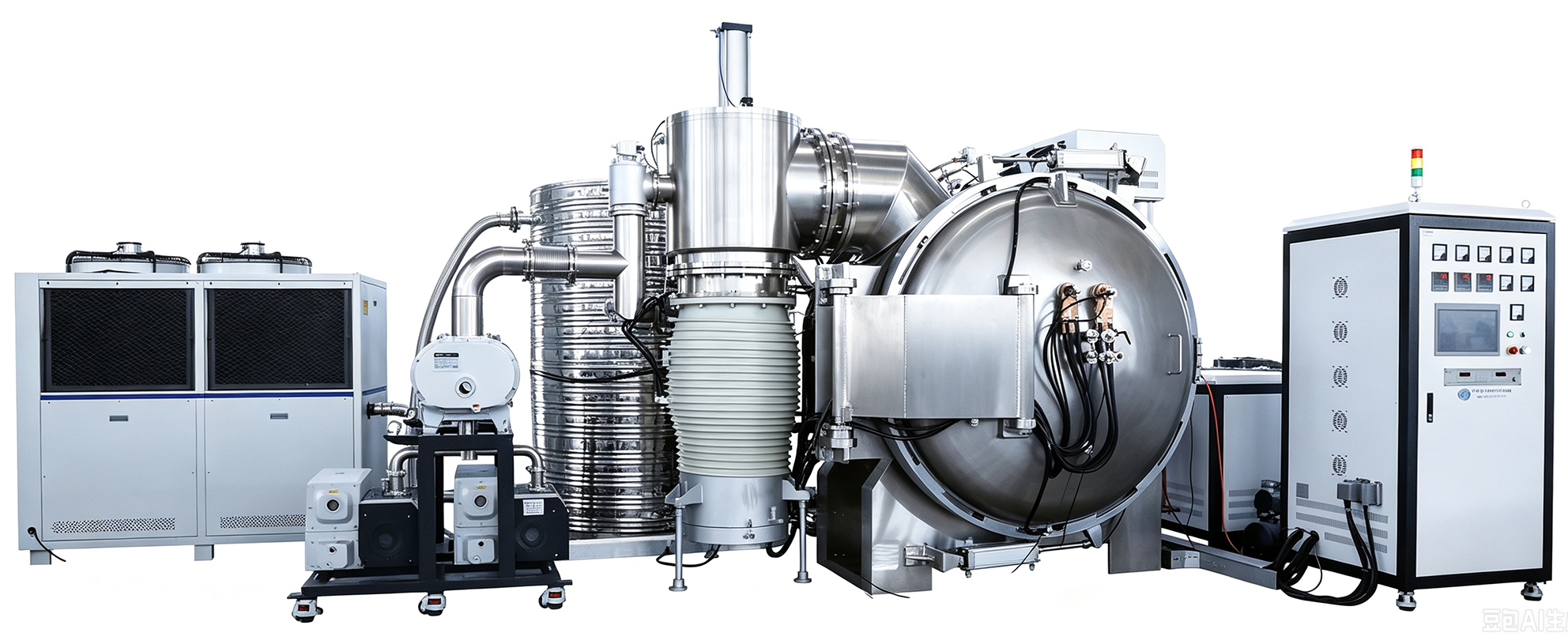
English-labelled VCF-270-21 vacuum furnace layout with water chiller and water tank
English system layout

Standard configuration

Included equipment scope.

Furnace body1 set
Graphite heating assembly1 set
Carbon-felt insulation1 set
High-vacuum valves3 units
Mechanical vacuum pumps2 units
Roots pump1 unit
Diffusion pump1 unit
Electrical cabinet1 unit
Control electrical components1 set
Transformers3 units
Touchscreen1 unit
Control software1 set
Water pipes2 pieces
Operating manual1 copy

Optional configuration

Utilities and monitoring options.

25 HP industrial water chiller1 unit
2-ton water tank1 unit
Horizontal multistage centrifugal water pump1 unit
Remote monitoring and control system1 system

Product FAQ

Questions to answer before requesting a configuration.

What is the 2100 °C Vacuum Carbon Tube Sintering Furnace used for?

2100 °C Vacuum Carbon Tube Sintering Furnace is intended for vacuum sintering of ceramic and powder materials, thermal treatment of carbon-based materials, vacuum debinding, annealing and degassing, high-temperature process development under vacuum or controlled gas. The final process fit depends on the material, cycle and required acceptance criteria.

What information should I provide for a technical recommendation?

Provide the material, part or sample dimensions, target temperature, atmosphere or vacuum level, batch size, process time, cooling preference and any tooling or automation requirements.

Can the equipment configuration be customized?

The configuration can be reviewed around chamber size, heating system, atmosphere, vacuum train, controls, cooling, tooling and safety interlocks before a technical proposal is prepared.

Request a configuration

Turn a product family into a technical conversation.

The more process context you share, the more useful our first reply can be.

No account is required. The form prepares an email in your default mail client.

Direct inquiry routes

Move from product research to a focused RFQ path.

Use these landing pages when you already know the process family and want to ask for a configuration.

vacuum furnace manufacturerInquiry page

Vacuum Furnace Manufacturer

Discuss a vacuum furnace configuration for sintering, melting or specialized thermal processing with material, temperature, chamber-size and vacuum requirements.

Open inquiry page

Project evidence

Related HuanYu project records.

Related equipment

Continue exploring