In one sentence
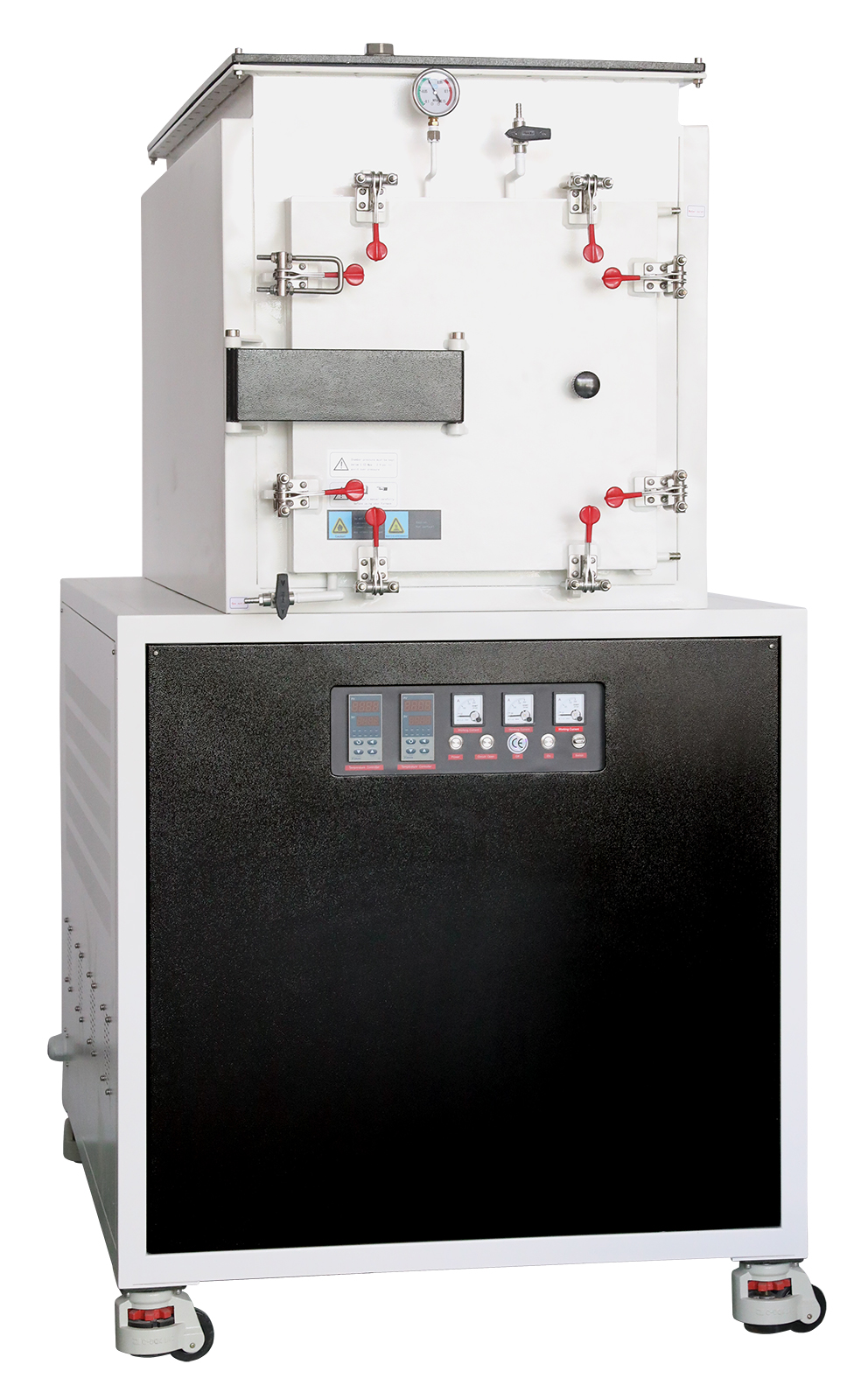
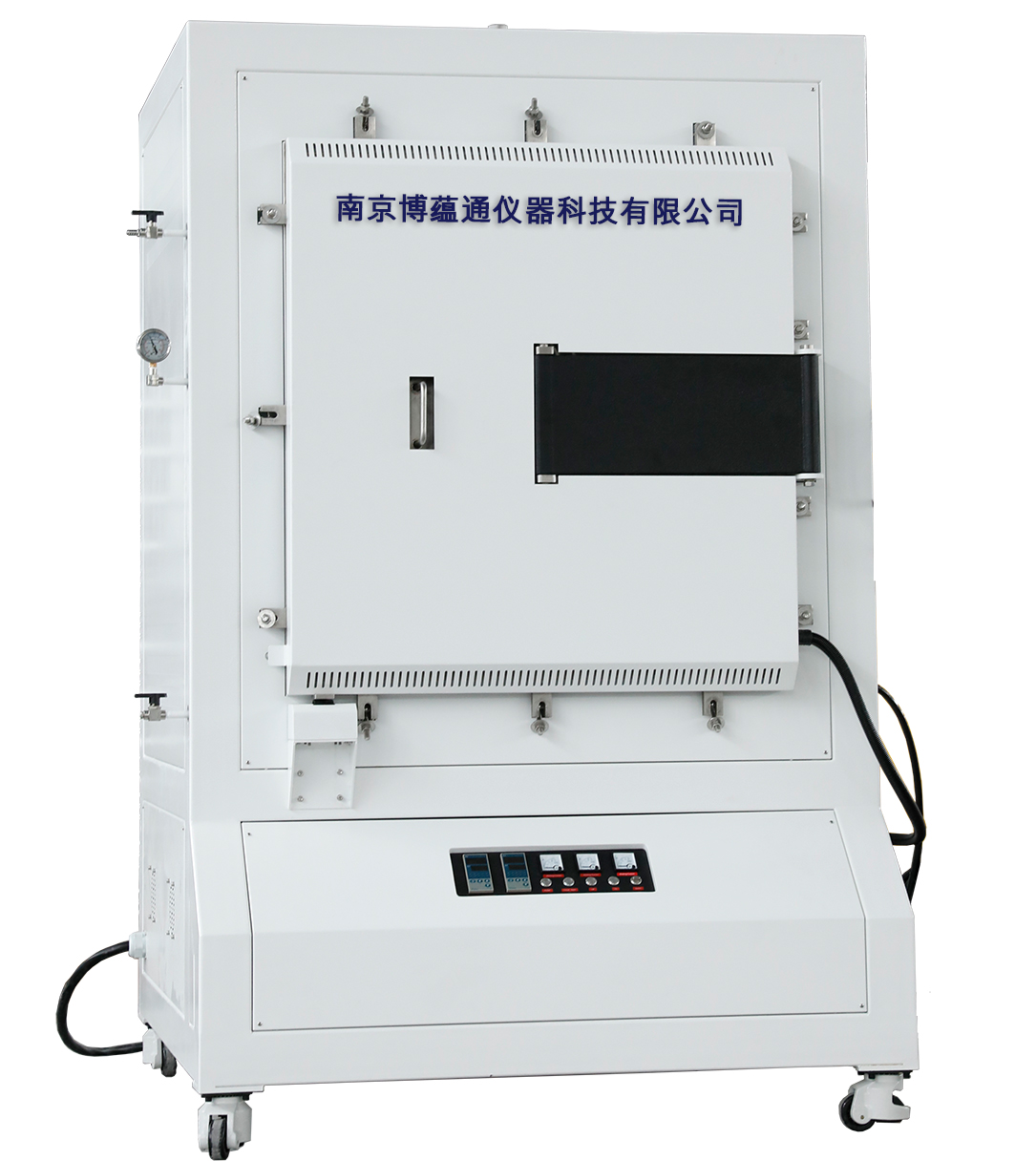
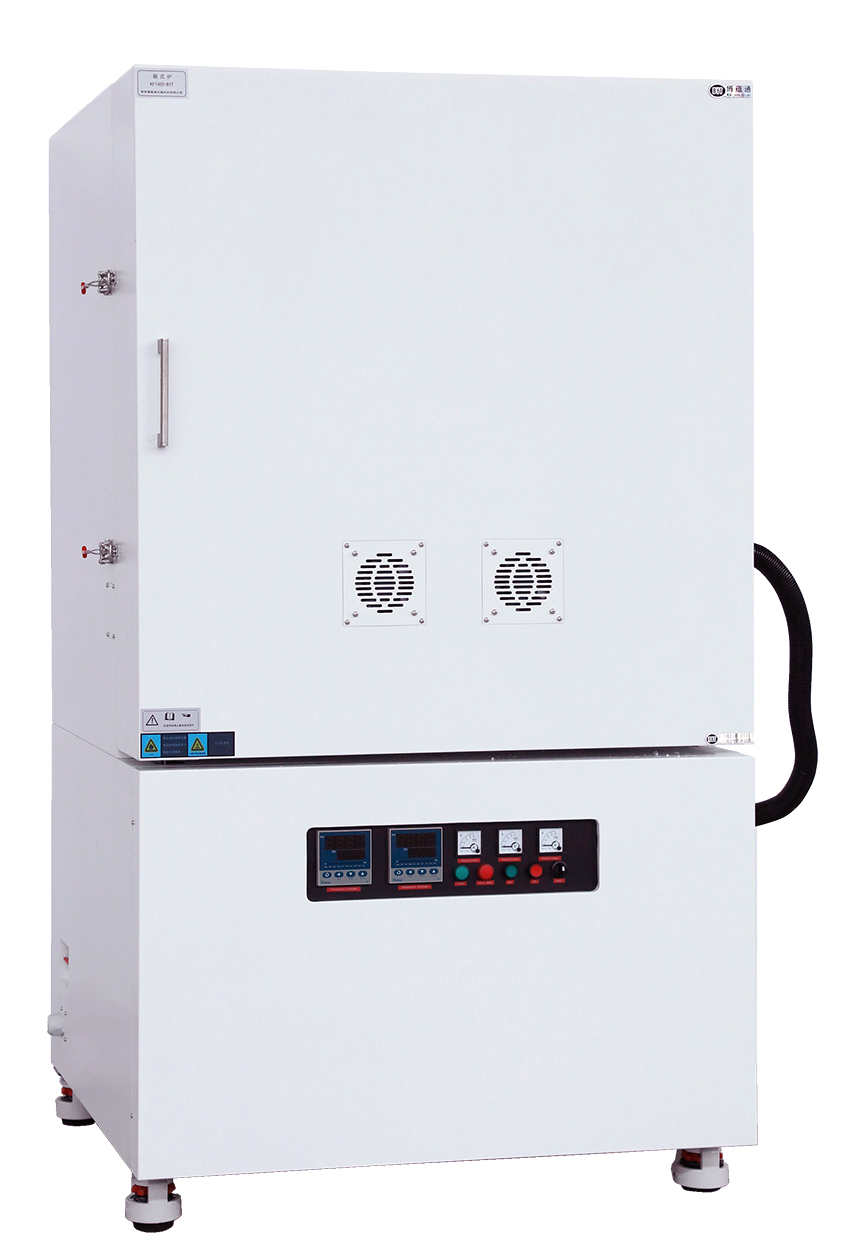
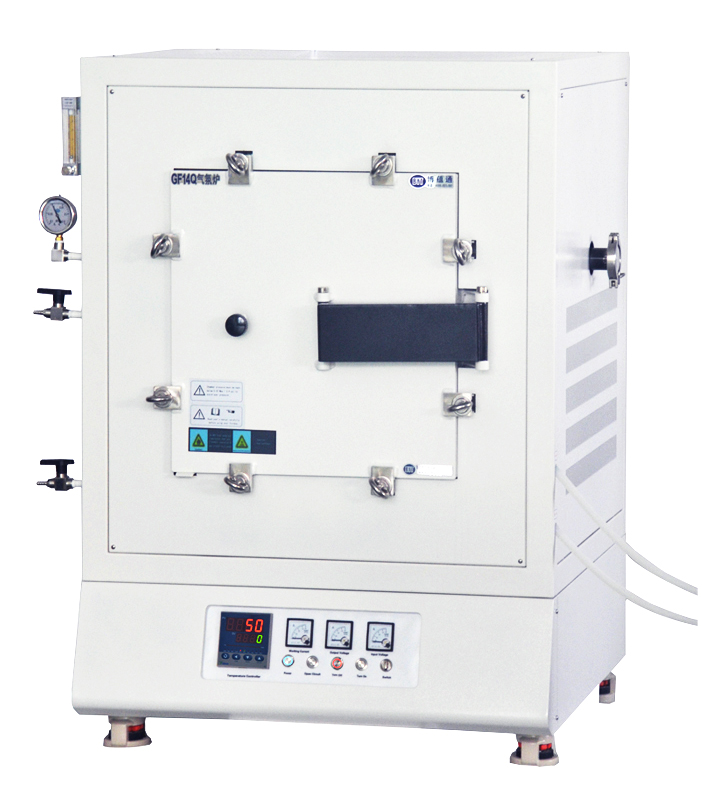
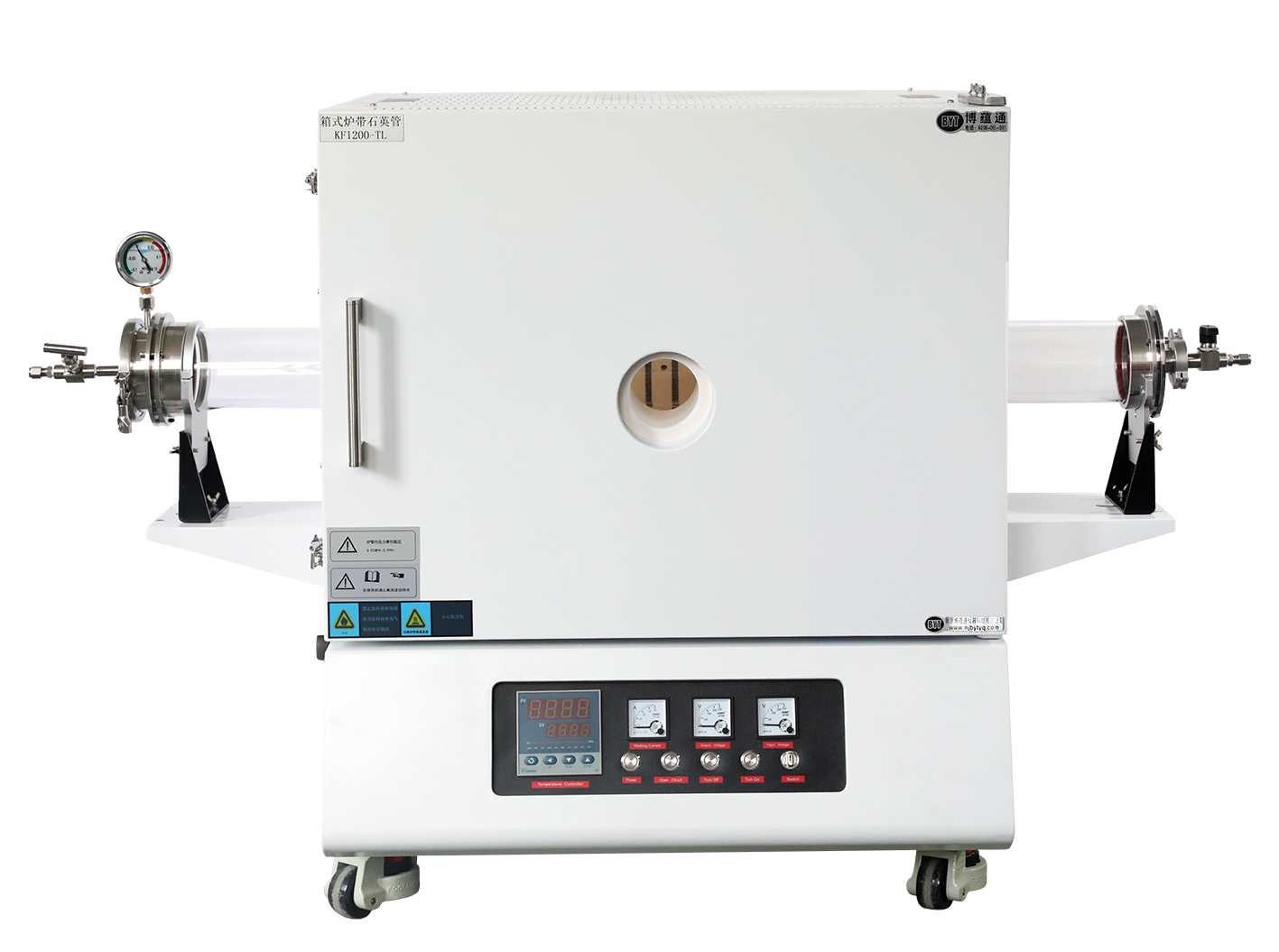
A box and atmosphere furnace heats batch materials in a chamber-style system so temperature uniformity, gas protection, loading convenience and process repeatability can be controlled together.
What a box or atmosphere furnace must control
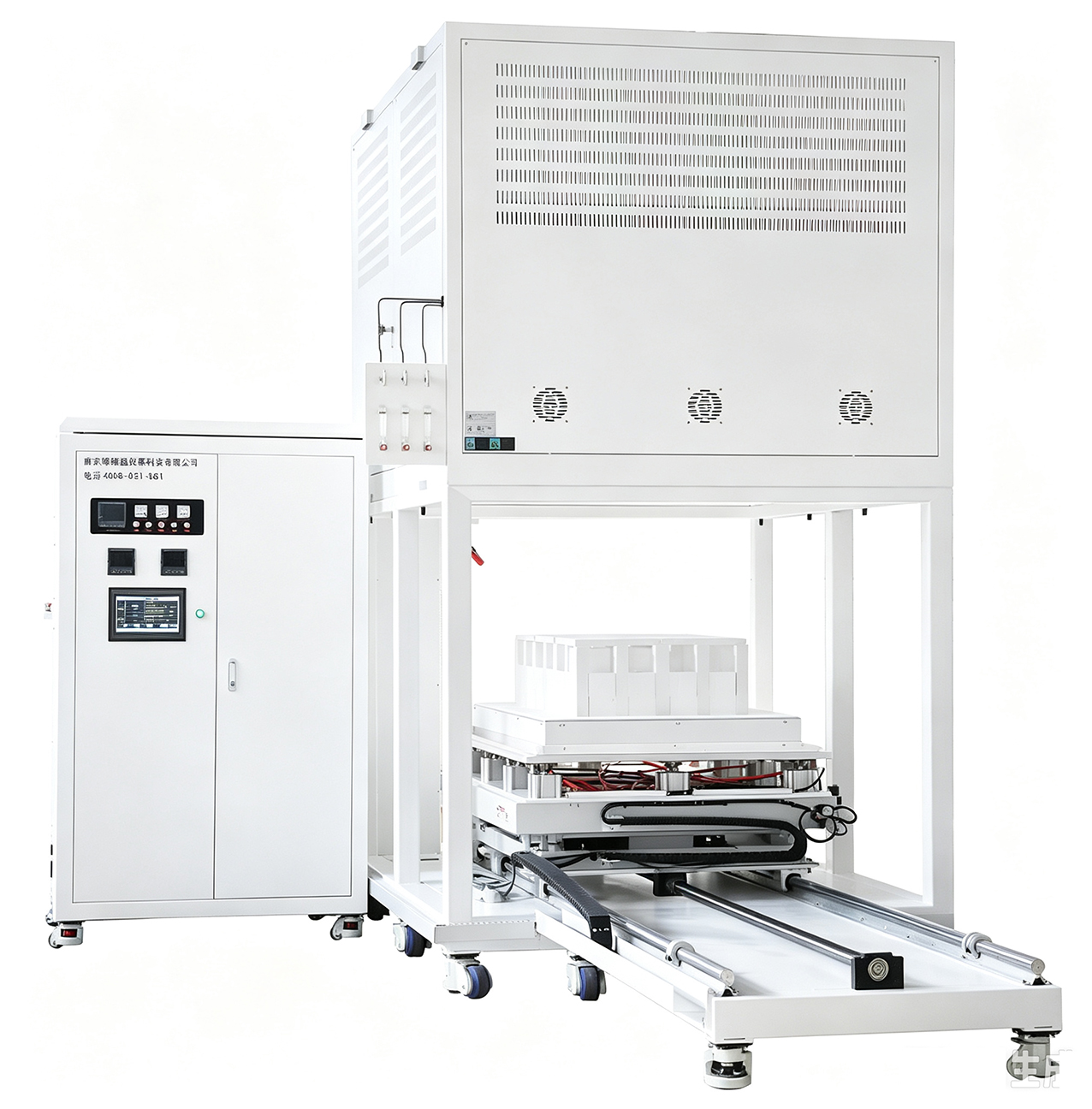
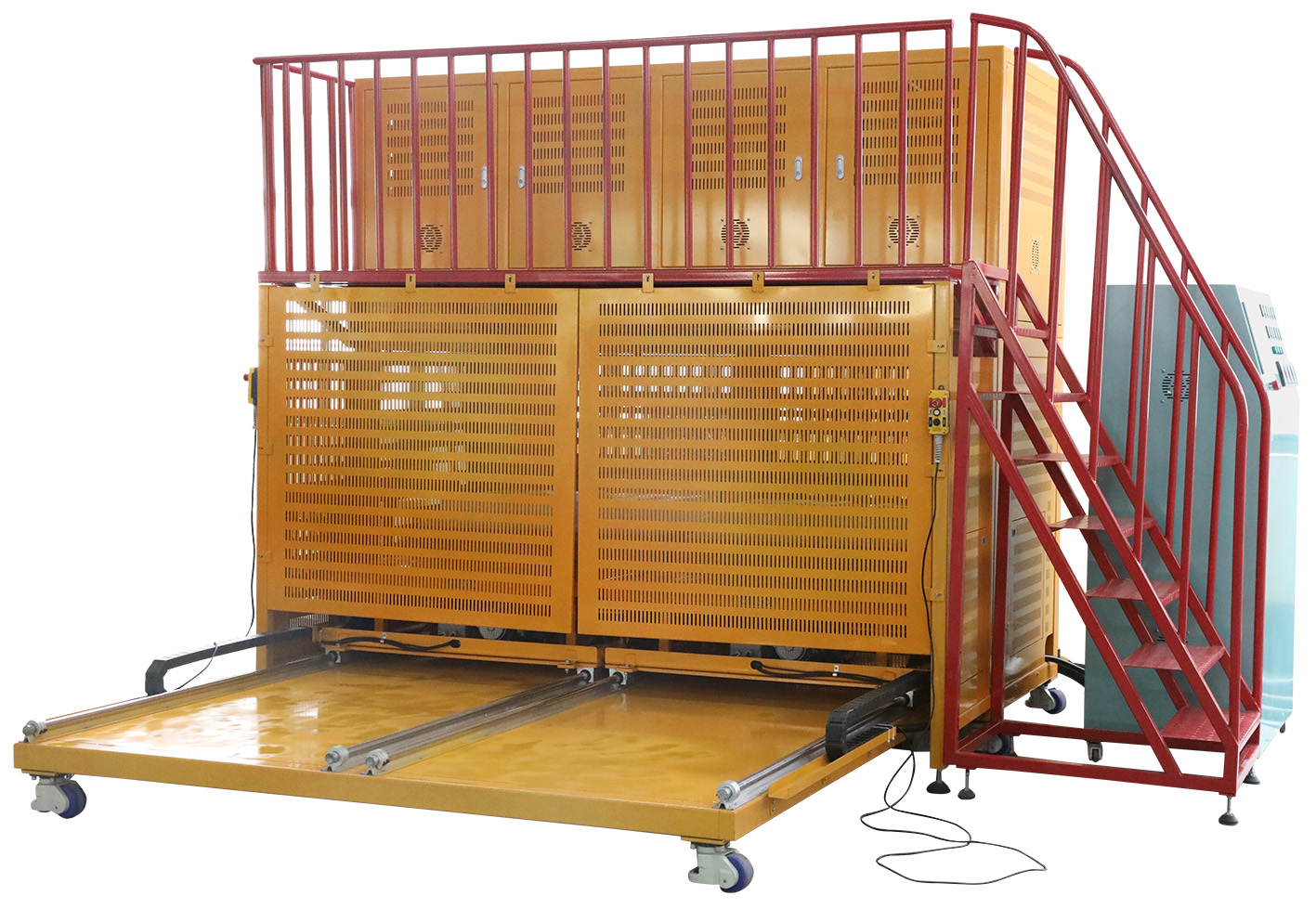
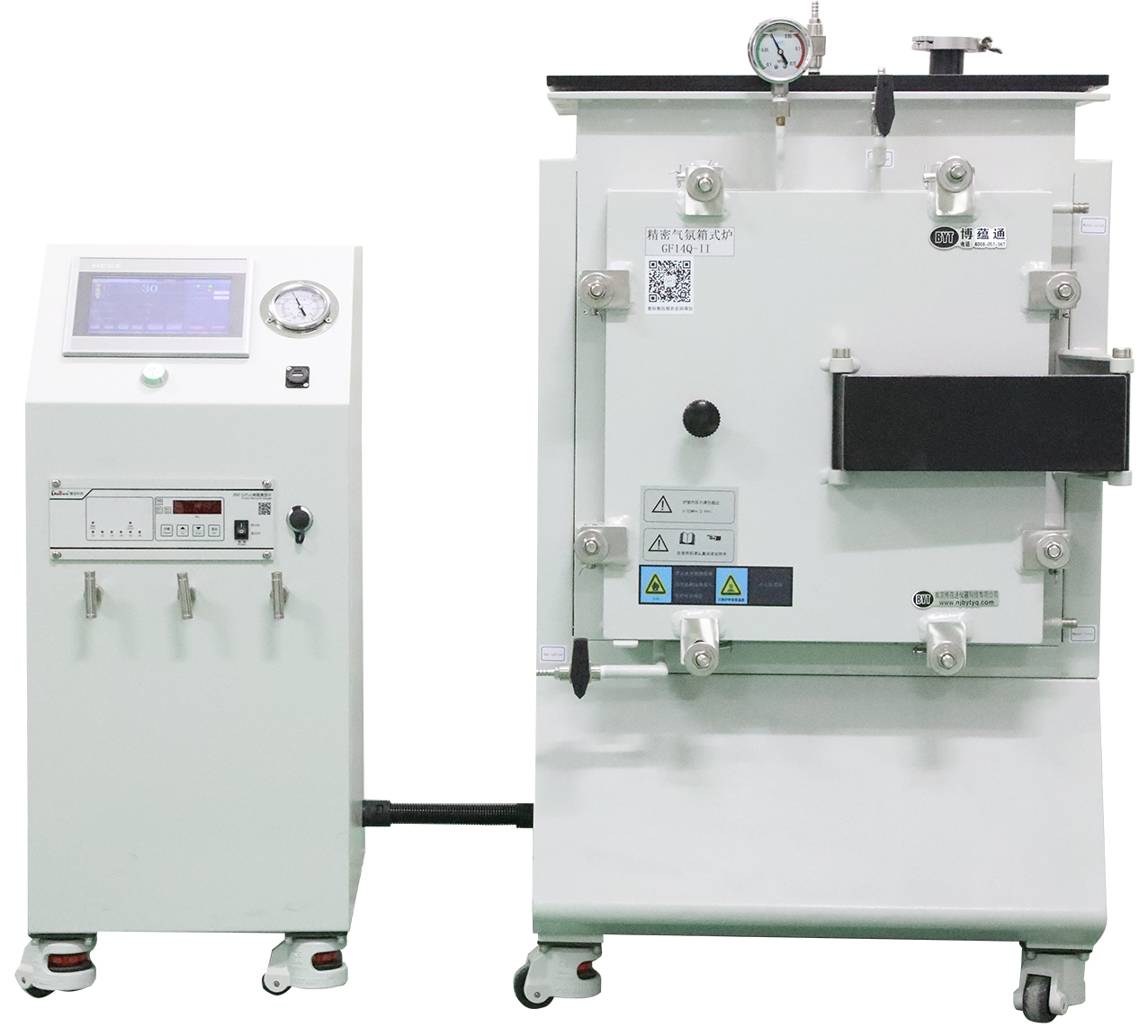
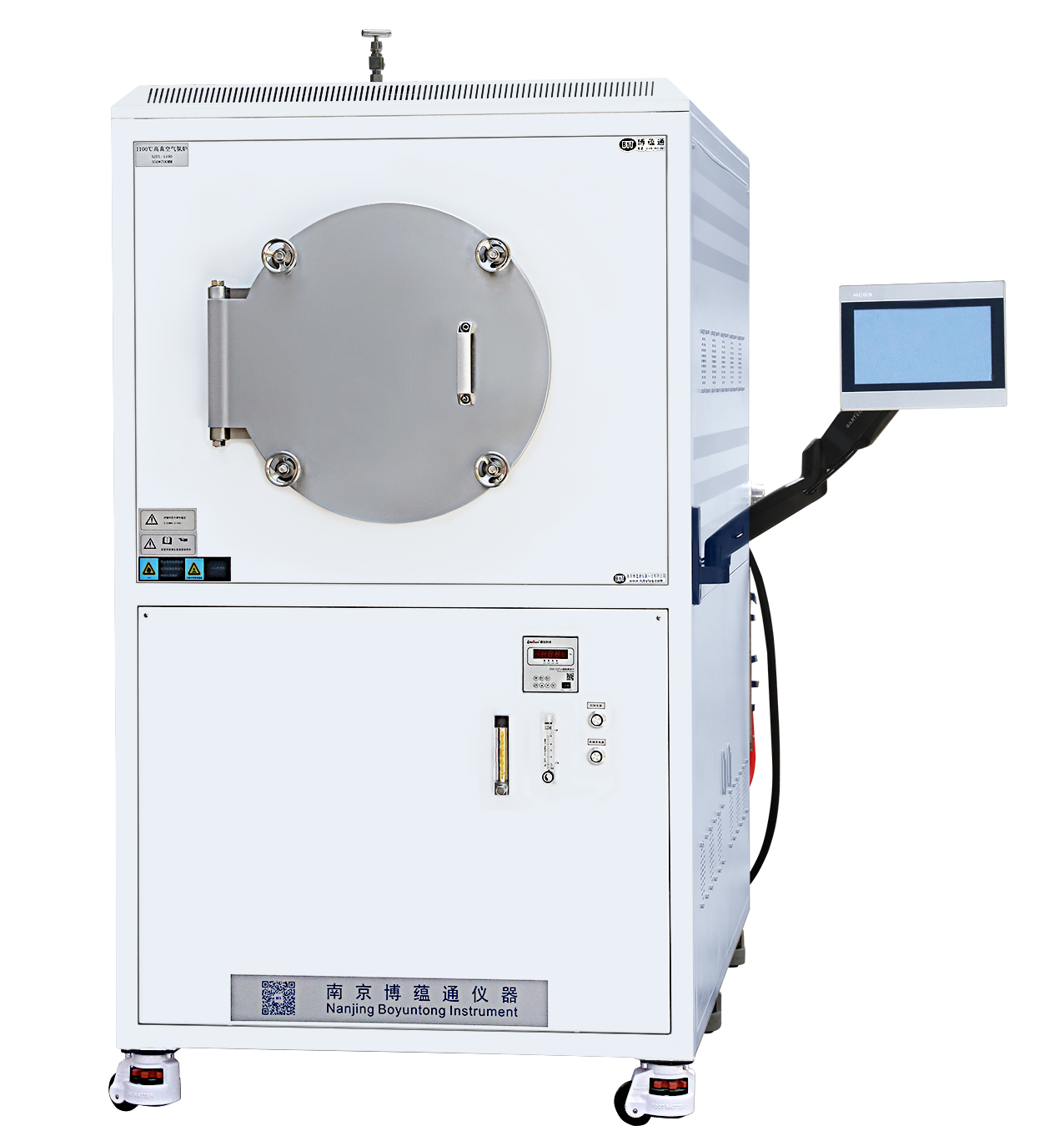
A box or atmosphere furnace should be specified around the batch size, part geometry, temperature profile, atmosphere requirement and loading method. Some projects need a simple chamber furnace, while others need a gas-tight atmosphere system, a lift mechanism, a larger working zone or a special lining for corrosive work.
That means the procurement question is not just how hot the furnace gets. The real question is whether the chamber geometry, heating layout, uniformity band, gas handling and access style match the material route the buyer wants to run.
How to turn a batch process into an RFQ
A useful RFQ should include batch dimensions, fixture or tray style, target temperature, acceptable uniformity band, atmosphere or vacuum requirement, loading direction and any cycle or hold-time limit. If the process needs debinding, purge steps, exhaust handling or post-run cooling control, those details should appear in the first inquiry.
The supplier should also know the acceptance result: surface condition, temperature uniformity, atmosphere control, repeatability, part color, cycle time or logged temperature curve. Those criteria keep the quote tied to the real production or lab outcome instead of a generic box shell.
Key facts
- ✓Box and atmosphere furnace selection starts with batch size and loading style.
- ✓Temperature uniformity and chamber geometry matter as much as peak temperature.
- ✓Atmosphere control, vacuum sealing and exhaust handling should be defined together.
- ✓Lift furnaces and large chambers need their own utility and access review.
- ✓Acceptance criteria should describe the batch result, not only the furnace rating.
How to approach the process
- 01
Define the batch size, workpiece geometry and loading direction.
- 02
Set the target temperature, uniformity band and cycle time.
- 03
Choose atmosphere, vacuum or gas-tight requirements.
- 04
Confirm chamber material, lift structure, exhaust and utility scope.
- 05
Request chamber layout, controls, fixtures and acceptance criteria together.
What to specify before comparing equipment
State the batch dimensions, loading pattern and usable chamber volume so the furnace can be sized around the real workpiece.
Give peak temperature, ramp rate and acceptable temperature spread because chamber furnaces are often judged by uniformity, not only by maximum heat.
Describe whether the process needs air, inert gas, vacuum or a sealed atmosphere and whether the gas path must be integrated in the quote.
Explain if top loading, front loading, lift loading or multi-station handling is part of the process because access style changes the hardware scope.
Include power, cooling, gas, exhaust, cleaning and service access requirements before the configuration is finalized.
Useful inputs for a technical inquiry
A clear first inquiry does not require a final specification. It should establish the material, process target and operating constraints so the equipment scope can be reviewed against the application.
- ✓Batch size, part geometry and loading direction
- ✓Target temperature, uniformity band and cycle time
- ✓Atmosphere, vacuum or gas-tight requirement
- ✓Lift, tray, basket or special access preference
- ✓Power, cooling, exhaust and maintenance constraints
Process comparison
A standard box furnace works when the batch is simple and the atmosphere requirement is limited.
An atmosphere or lift furnace is considered when gas protection, loading access or chamber size becomes part of the process design.
The RFQ focuses on chamber size, peak temperature and tray arrangement.
The RFQ also needs gas handling, sealing, exhaust, lift motion or multi-station flow.
The main question is whether the furnace reaches temperature and fits the batch.
The main question is whether the batch stays uniform, protected and repeatable across the full cycle.
Frequently asked questions
What should I define first for a box or atmosphere furnace?
Start with batch size, loading style, target temperature, atmosphere requirement and the temperature uniformity you need.
When is a lift furnace worth considering?
A lift furnace is worth considering when loading convenience, batch handling or access to a larger chamber affects the process.
Do atmosphere furnaces always need vacuum?
No. Some need only gas protection, while others need a gas-tight or vacuum-enabled configuration depending on the route.