In one sentence
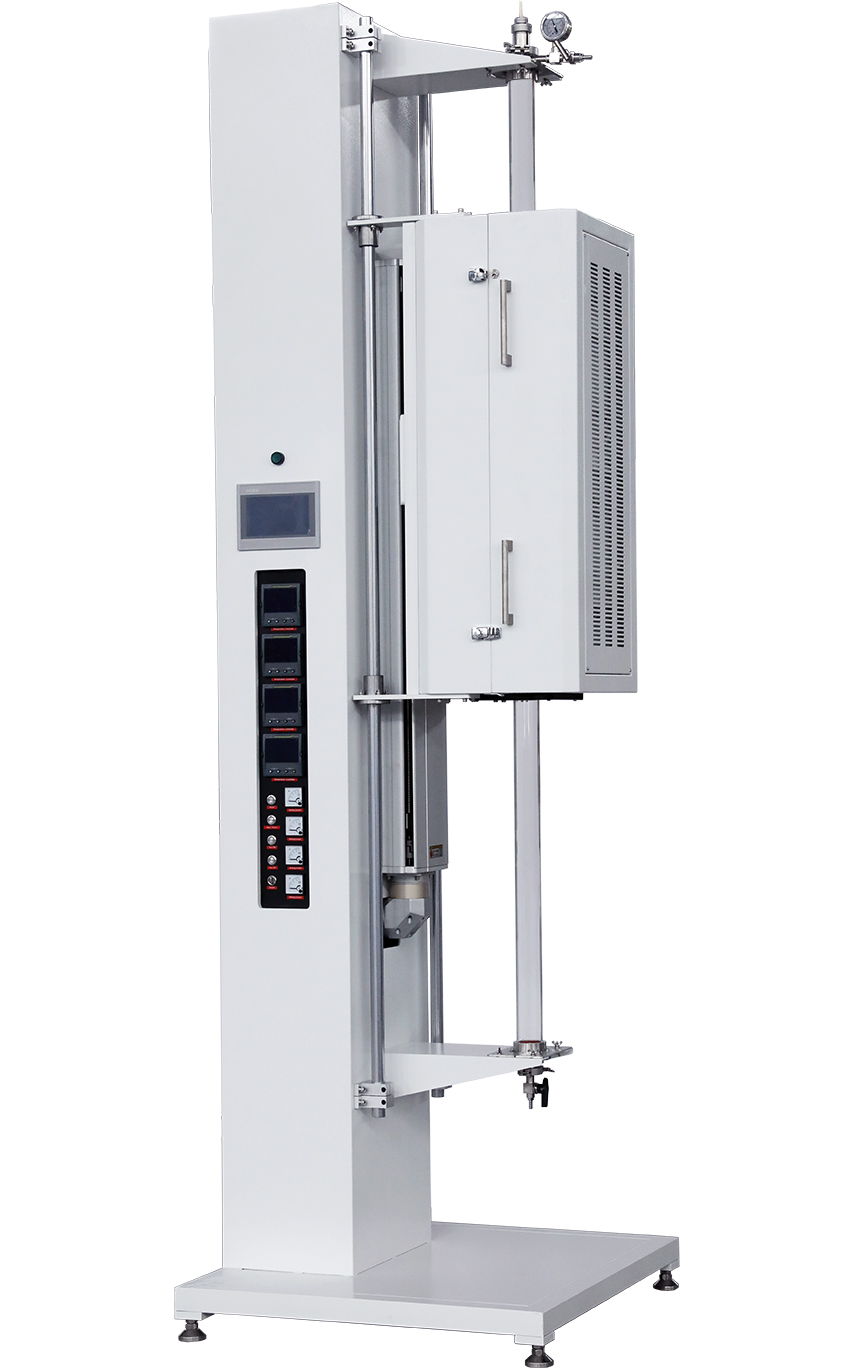
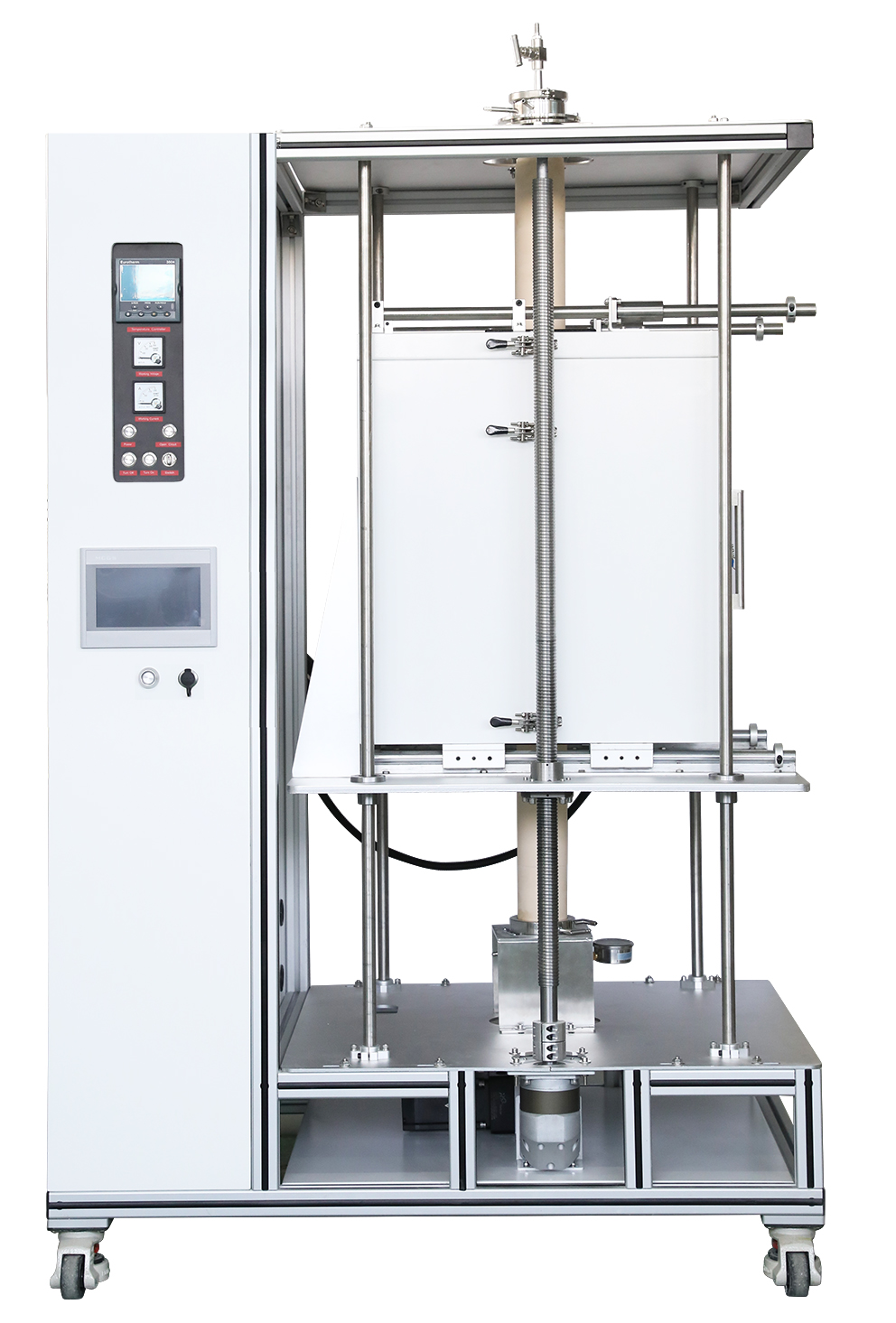
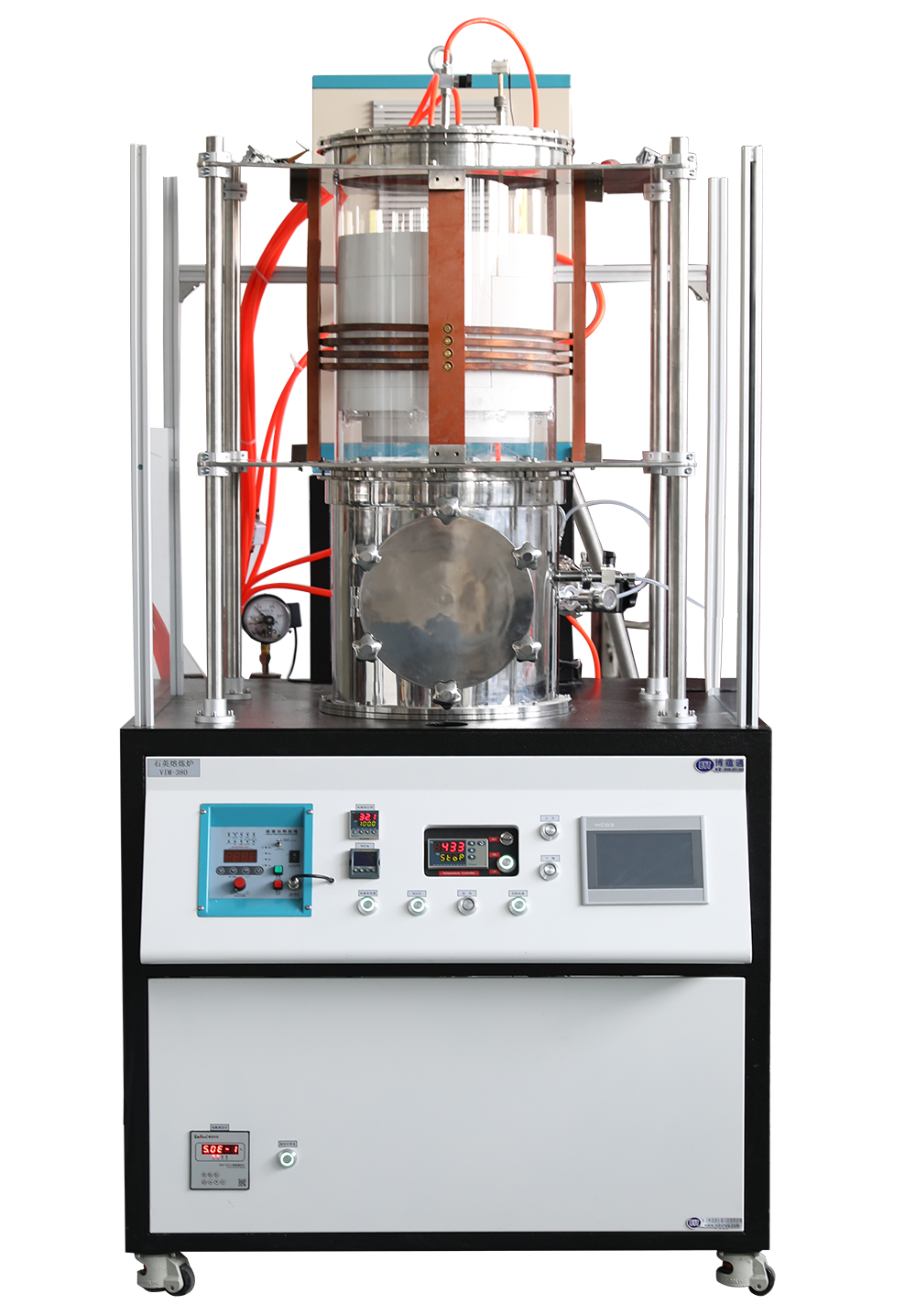
A Bridgman crystal growth system uses a controlled thermal gradient and a pull or lowering motion to grow crystals in a repeatable directional solidification route.
What a Bridgman system must control
A Bridgman crystal growth system should be specified around the material, seed or charge arrangement, zone count, thermal gradient, pull or lowering motion and the atmosphere needed to protect the melt or crystal. The machine is not just a hot zone and a tube; it is a controlled route for moving a charge through a defined temperature field at a repeatable speed.
That is why the first inquiry should state the crystal form and the growth path together. If the crucible, motion profile or monitoring scope is vague, the final quote can miss the real requirements for interface stability and crystal quality.
How to turn a Bridgman plan into an RFQ
A useful RFQ should include material composition, target crystal size, crucible or ampoule choice, temperature range, zone count, atmosphere, pull or lowering speed and the sensors or logs needed during the run. If the project uses a shaped thermal field, sealed ampoule, controlled cooling or post-growth analysis, those details should be written into the first request.
The acceptance result should also be clear: interface shape, crystal uniformity, repeatability, yield, impurity control or another defined growth outcome. Those criteria keep the configuration tied to the actual Bridgman task instead of a generic furnace size.
Key facts
- ✓Bridgman growth depends on thermal gradient, motion profile and crucible handling.
- ✓Zone count and pull rate should be quoted together with the crystal size target.
- ✓Atmosphere and sealing can change the whole hardware scope.
- ✓Monitoring and growth logs are part of the real system scope.
- ✓Acceptance criteria should name the crystal result, not only the furnace temperature.
How to approach the process
- 01
Define the material system, target crystal form and Bridgman route.
- 02
Set the temperature range, thermal gradient and zone count.
- 03
Specify crucible, ampoule and pull or lowering motion.
- 04
Confirm atmosphere, sensors and cooling requirements.
- 05
Request a configuration matched to the validation plan.
What to specify before comparing equipment
State whether the process uses Bridgman or a related directional solidification method so the thermal architecture matches the route.
Describe zone count and gradient target because the crystal interface depends on the shape of the field.
Specify pull rate, lowering motion, crucible or ampoule details because they define the mechanical and thermal scope together.
List vacuum, inert gas or sealed-growth needs because they affect contamination and stability.
Name sensors, logging and the crystal property that will be used to judge the run.
Useful inputs for a technical inquiry
A clear first inquiry does not require a final specification. It should establish the material, process target and operating constraints so the equipment scope can be reviewed against the application.
- ✓Material system, target crystal size and growth route
- ✓Temperature range, thermal gradient and zone count
- ✓Crucible or ampoule choice and pull rate
- ✓Atmosphere, sealing and monitoring requirements
- ✓Crystal quality, yield and acceptance criteria
Process comparison
A basic directional furnace works when the crystal target is simple and the motion route is limited.
A controlled Bridgman system is needed when crystal quality depends on gradient control, motion and logs.
Temperature and chamber size.
Zone count, gradient, crucible, pull rate, atmosphere and acceptance data.
The furnace can reach the target temperature.
The system can grow the crystal shape and quality the lab needs.
Frequently asked questions
What should I define first for a Bridgman system?
Start with the material system, target crystal size, zone count and pull or lowering speed.
Why does crucible choice matter?
Because the crucible or ampoule affects heat transfer, contamination and growth stability.
Should sensors be included in the inquiry?
Yes. Monitoring and logs often change the system scope and should be written into the first request.