In one sentence
A crystal growth system controls the thermal field, atmosphere, pulling or lowering motion and data capture needed to grow crystals with repeatable structure and quality.
What a crystal growth system must control
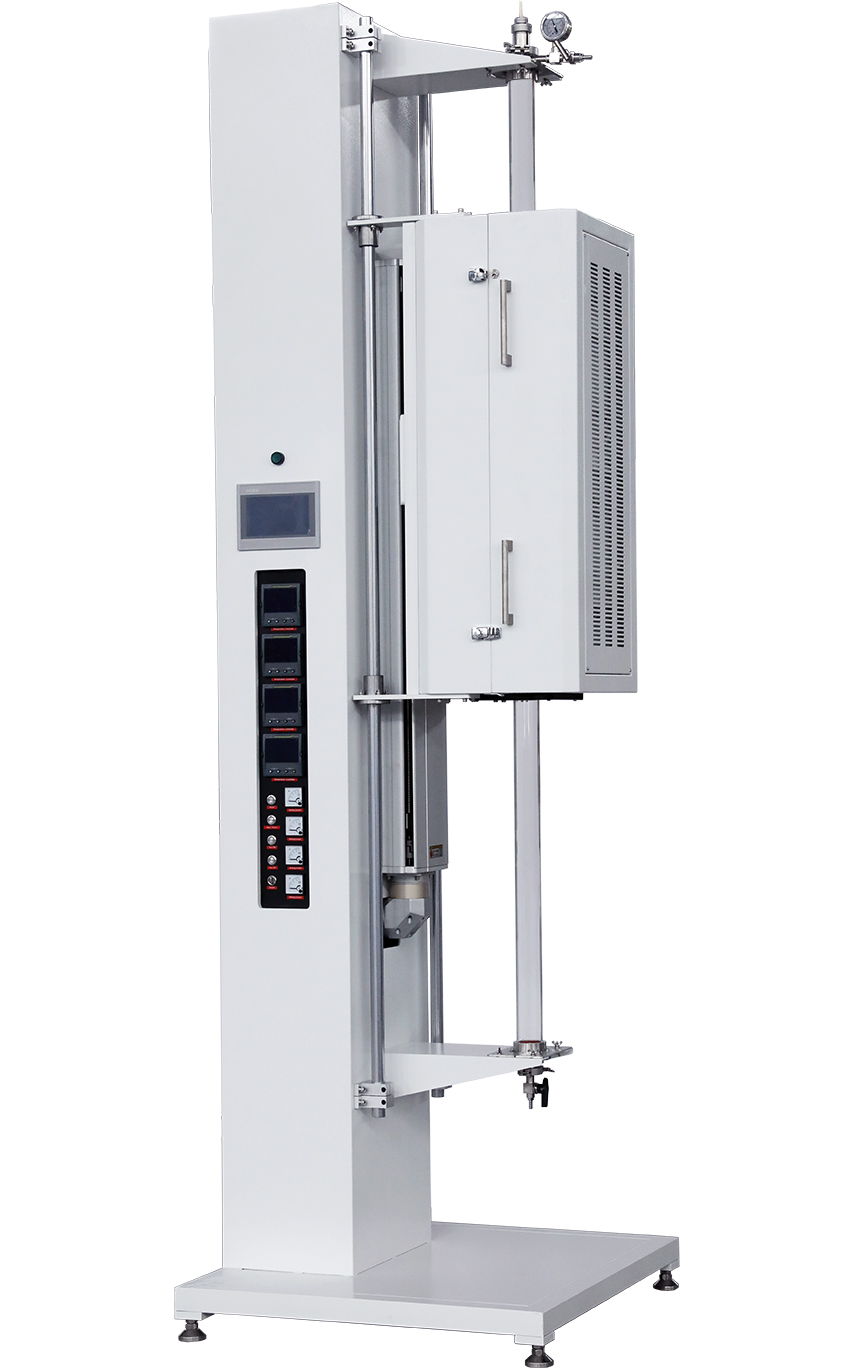
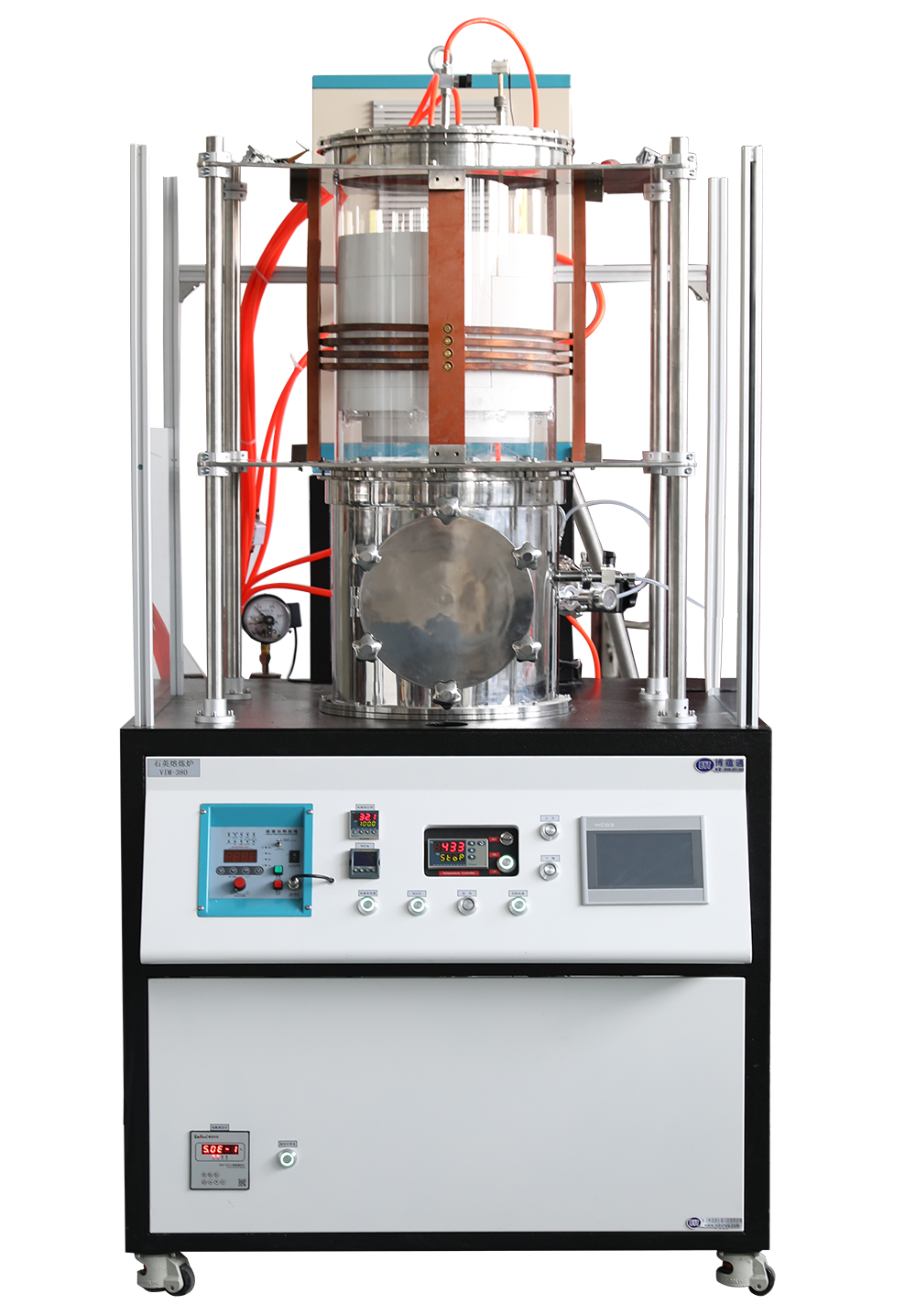
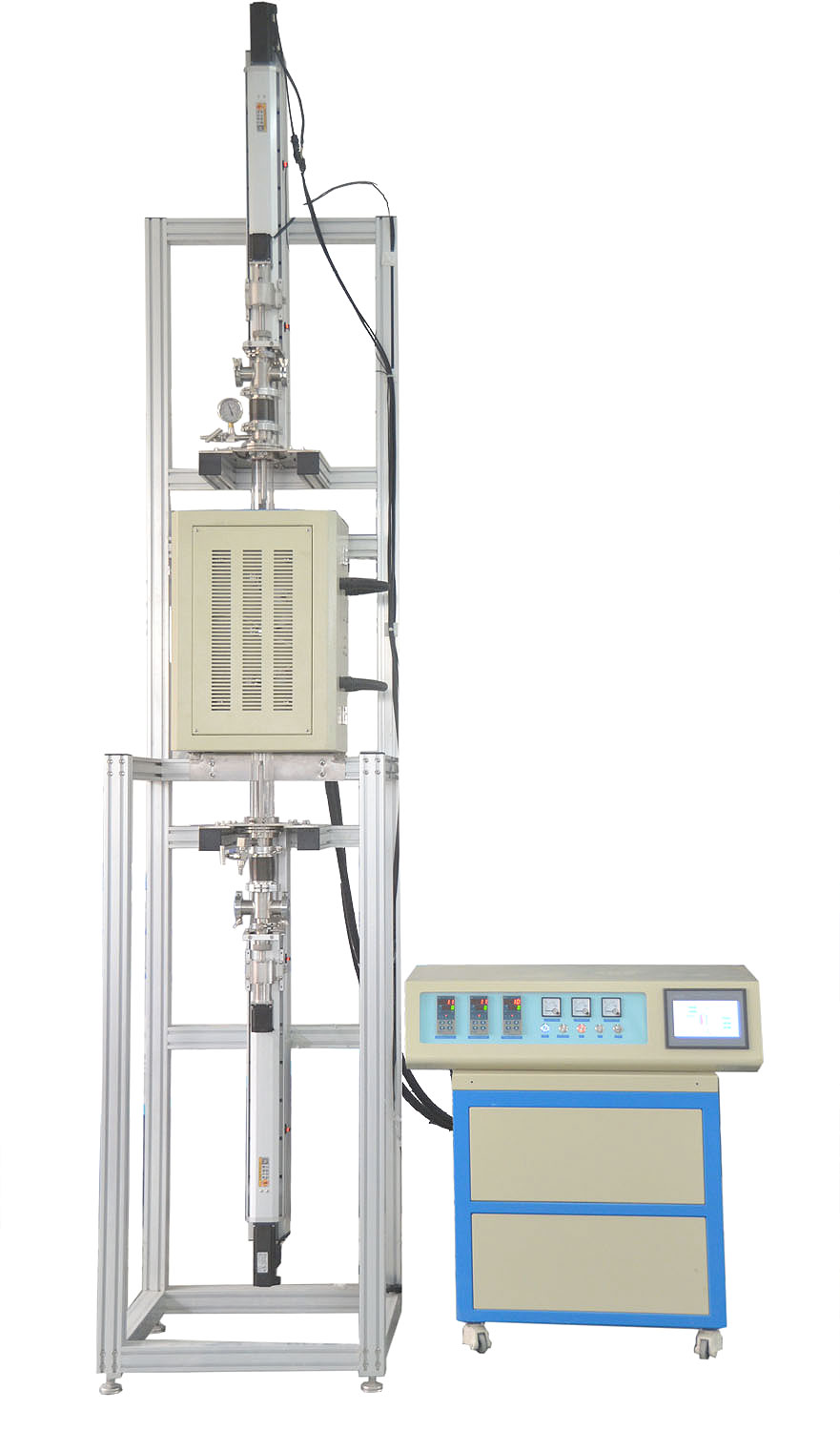
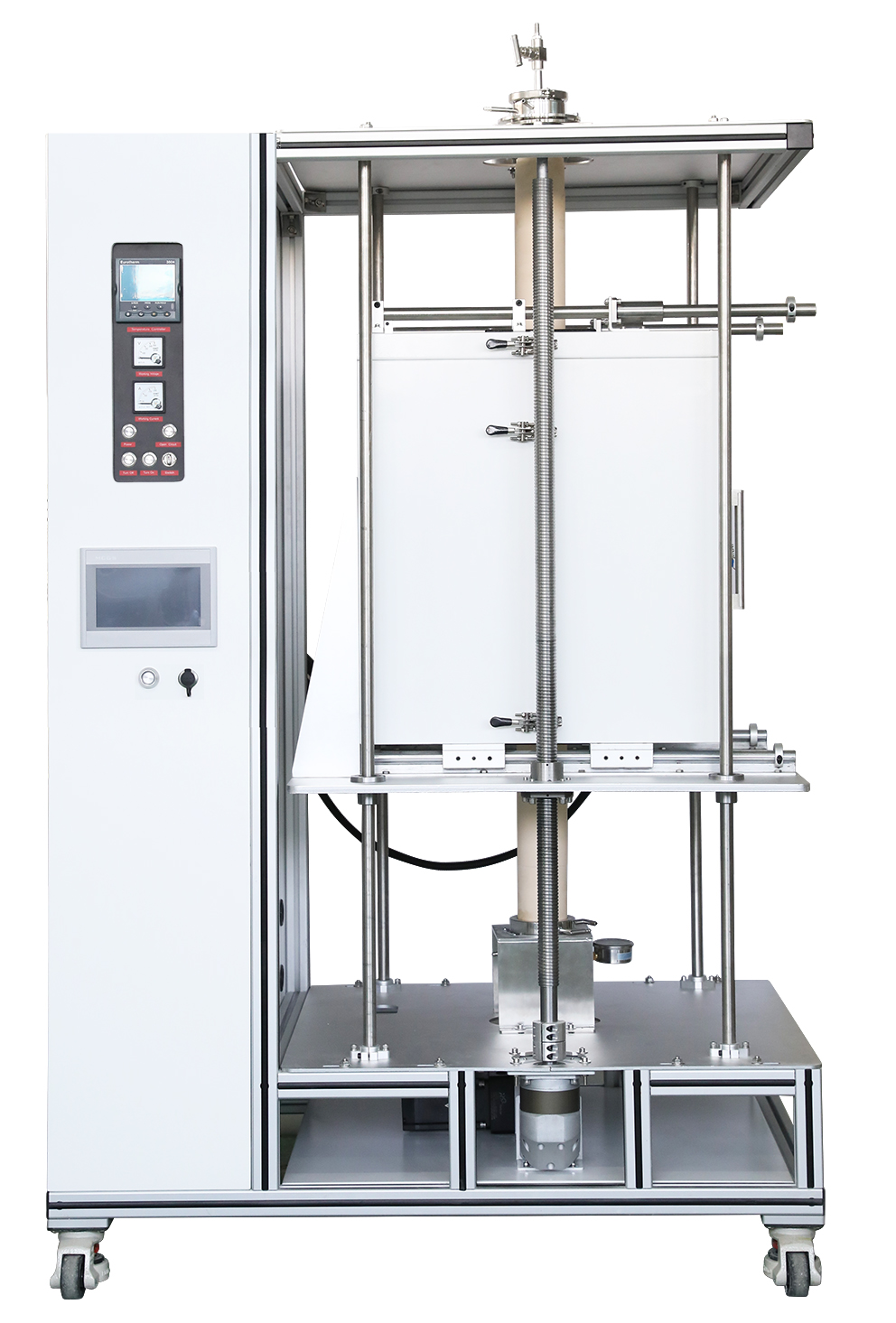
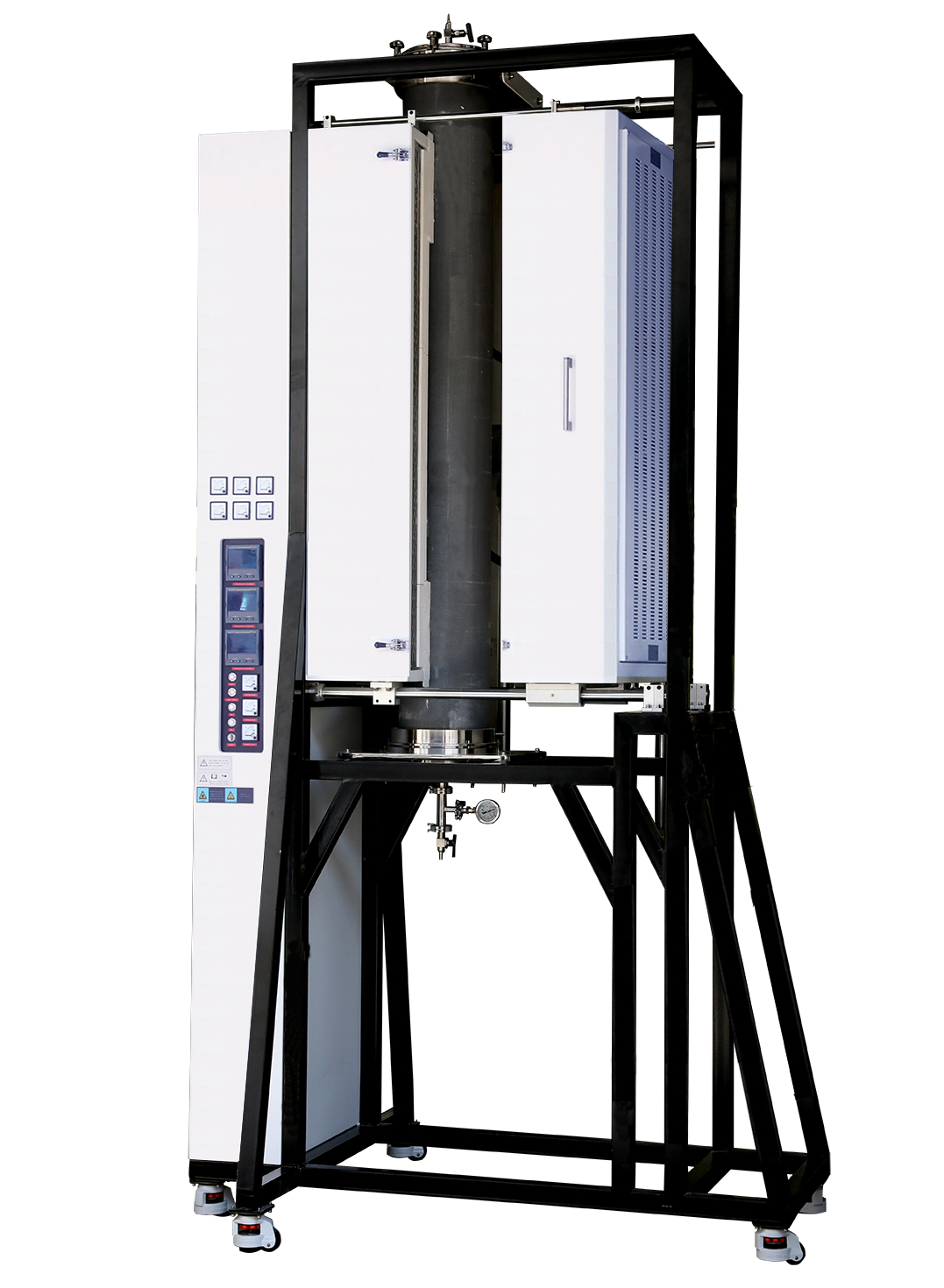
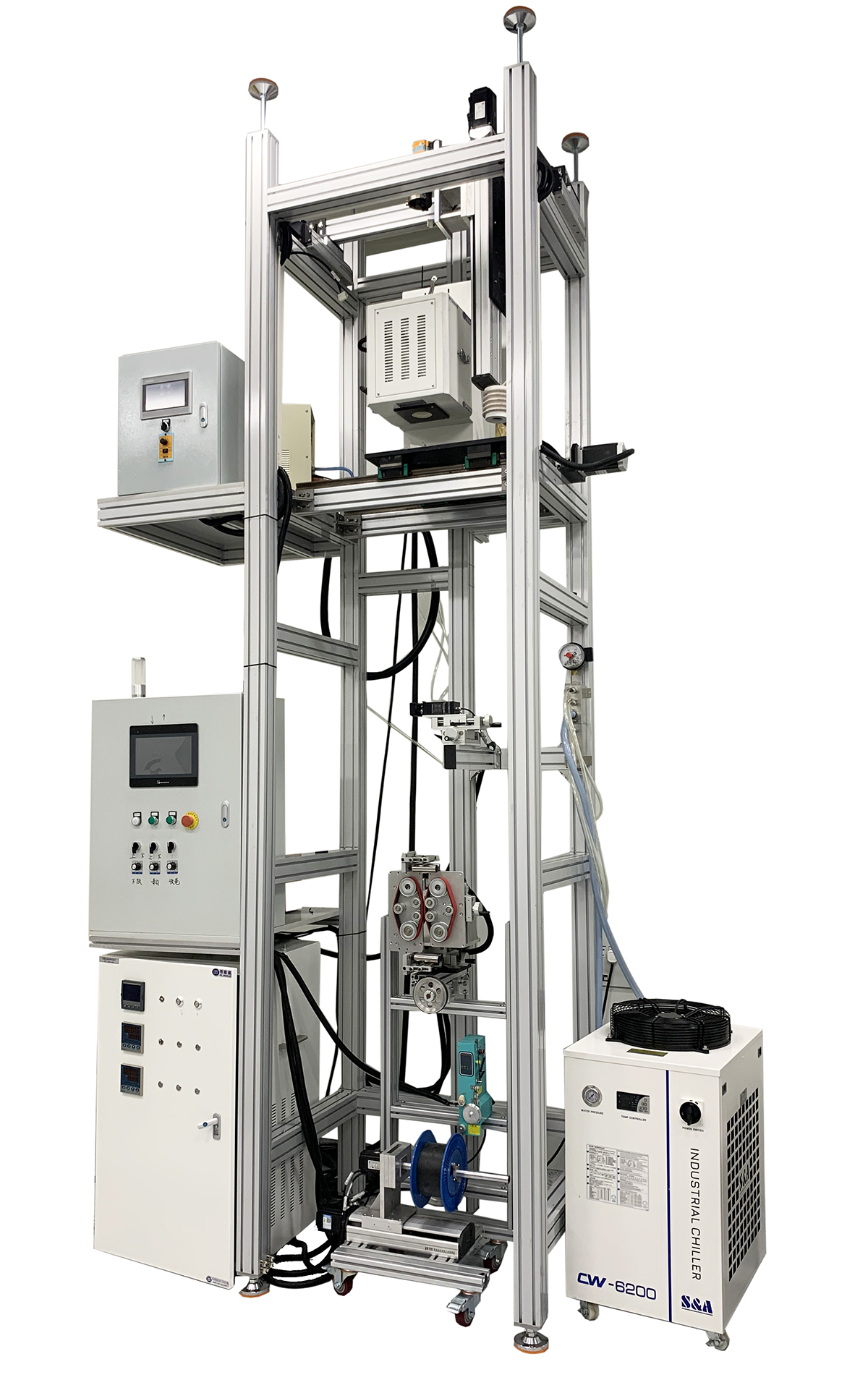
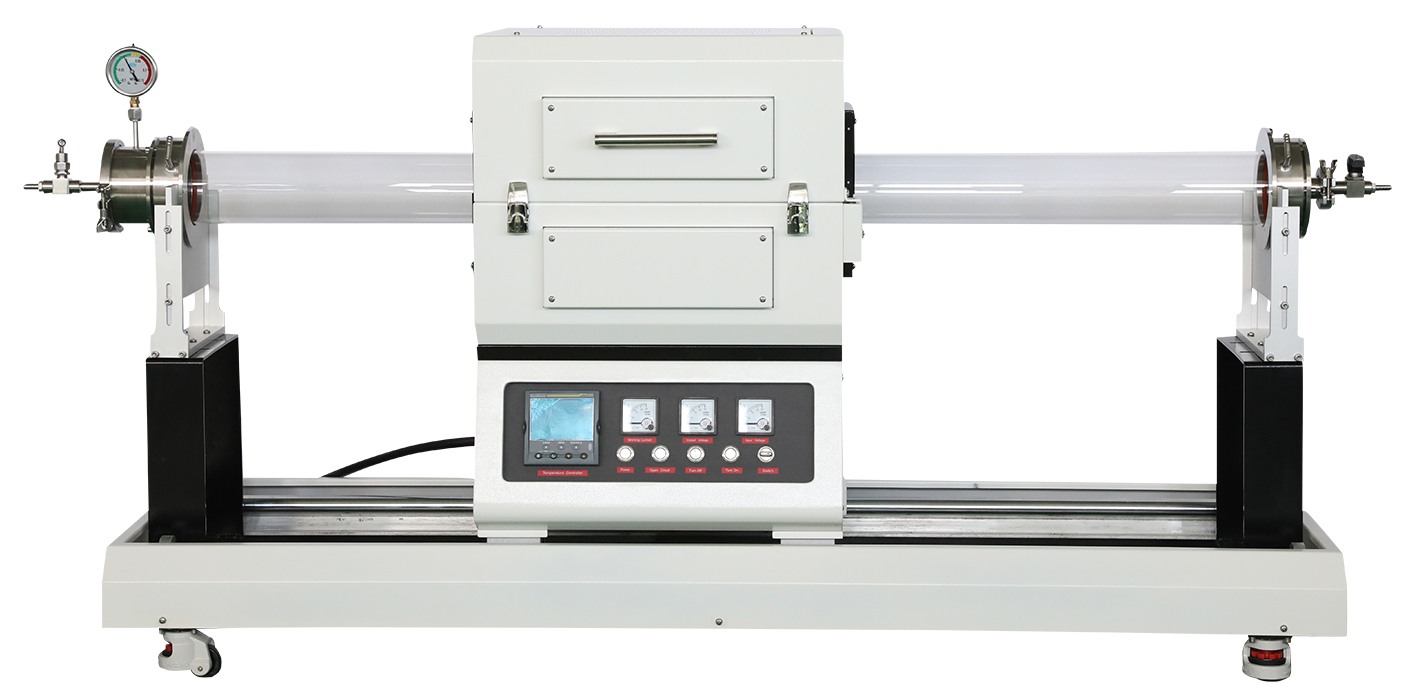
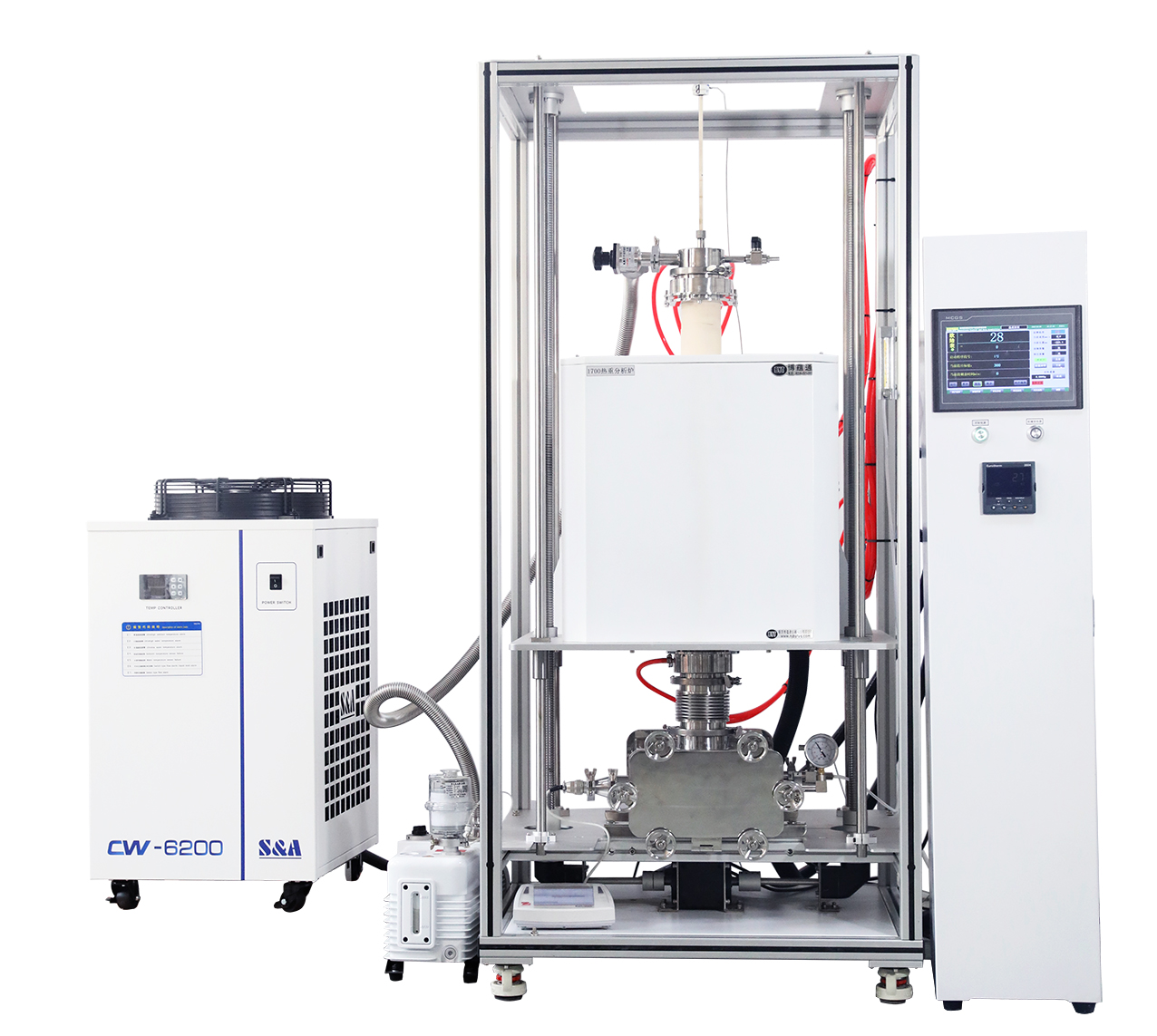
A crystal growth system should be specified around the material, growth method, thermal field, atmosphere and observation or logging needs. Bridgman, single-crystal, wafer-growth, drawing-tower and downward-method systems all solve different growth problems, so the machine name alone does not define a usable quotation.
The real question is whether the system can hold the required temperature gradient, motion profile and protection environment long enough to grow the crystal the way the lab intends. That affects zone count, furnace length, crucible or seed handling, insulation, sensors and the level of process data that must be recorded.
How to turn a growth plan into an RFQ
A useful RFQ should include material composition, target crystal size, seed or charge arrangement, growth method, temperature range, atmosphere, pull or lowering speed, and the sensors or logs needed during the run. If the process uses a shaped thermal field, gas control, controlled cooling or post-growth analysis, those details should appear in the first inquiry.
The supplier should also know the acceptance result: crystal quality, diameter stability, interface shape, data logging, repeatability, yield or lab validation method. That keeps the quote tied to the actual growth task instead of a generic furnace or tower rating.
Key facts
- ✓Crystal growth system selection starts with material and growth method.
- ✓Thermal field shape and motion profile are as important as peak temperature.
- ✓Atmosphere, seed handling and logging requirements should be specified together.
- ✓Growth and analysis platforms may share the same RFQ if both are part of the lab workflow.
- ✓Acceptance criteria should describe crystal quality, repeatability and data output.
How to approach the process
- 01
Define the material system, target crystal form and growth method.
- 02
Set the temperature range, thermal field and atmosphere requirements.
- 03
Specify seed, crucible, pull rate or lowering motion as needed.
- 04
Confirm sensors, logging, cooling and utility scope.
- 05
Request chamber layout, controls and acceptance criteria together.
What to specify before comparing equipment
State whether the process is Bridgman, single-crystal, wafer-growth, drawing-tower, downward or another route so the right thermal architecture can be chosen.
Describe the temperature gradient, zone count and uniformity target because crystal quality depends on the field shape as much as on maximum temperature.
Specify vacuum, inert gas or sealed operation along with any contamination or oxidation limit that affects the growth environment.
Give the pull rate, lowering motion, seed handling or crucible movement requirement if the growth process depends on controlled motion.
List cameras, sensors, logging and the final crystal property or lab result that will be used to judge the system.
Useful inputs for a technical inquiry
A clear first inquiry does not require a final specification. It should establish the material, process target and operating constraints so the equipment scope can be reviewed against the application.
- ✓Material system, target crystal form and growth method
- ✓Temperature range, thermal field and zone count
- ✓Atmosphere, vacuum or sealed growth requirement
- ✓Pull rate, lowering motion, seed handling or crucible detail
- ✓Sensors, logging, cooling and acceptance requirements
Process comparison
A basic growth path works when the thermal field and motion requirements are simple.
A precision growth path is used when crystal quality depends on tighter gradient control, monitoring or seed management.
The RFQ focuses on temperature, chamber length and basic atmosphere protection.
The RFQ also needs zone control, motion profile, logging and growth-interface detail.
The main question is whether the furnace can reach the target growth temperature.
The main question is whether the crystal shape, quality and data output match the research goal.
Frequently asked questions
What should I define first for a crystal growth system?
Start with the material system, target crystal size, growth method, thermal field and atmosphere requirement.
Why is the thermal field so important?
Because crystal quality, interface stability and growth repeatability depend heavily on the temperature gradient and zone shape.
Should monitoring be included in the first inquiry?
Yes. Cameras, logging and sensor requirements can change the system scope and should be discussed early.