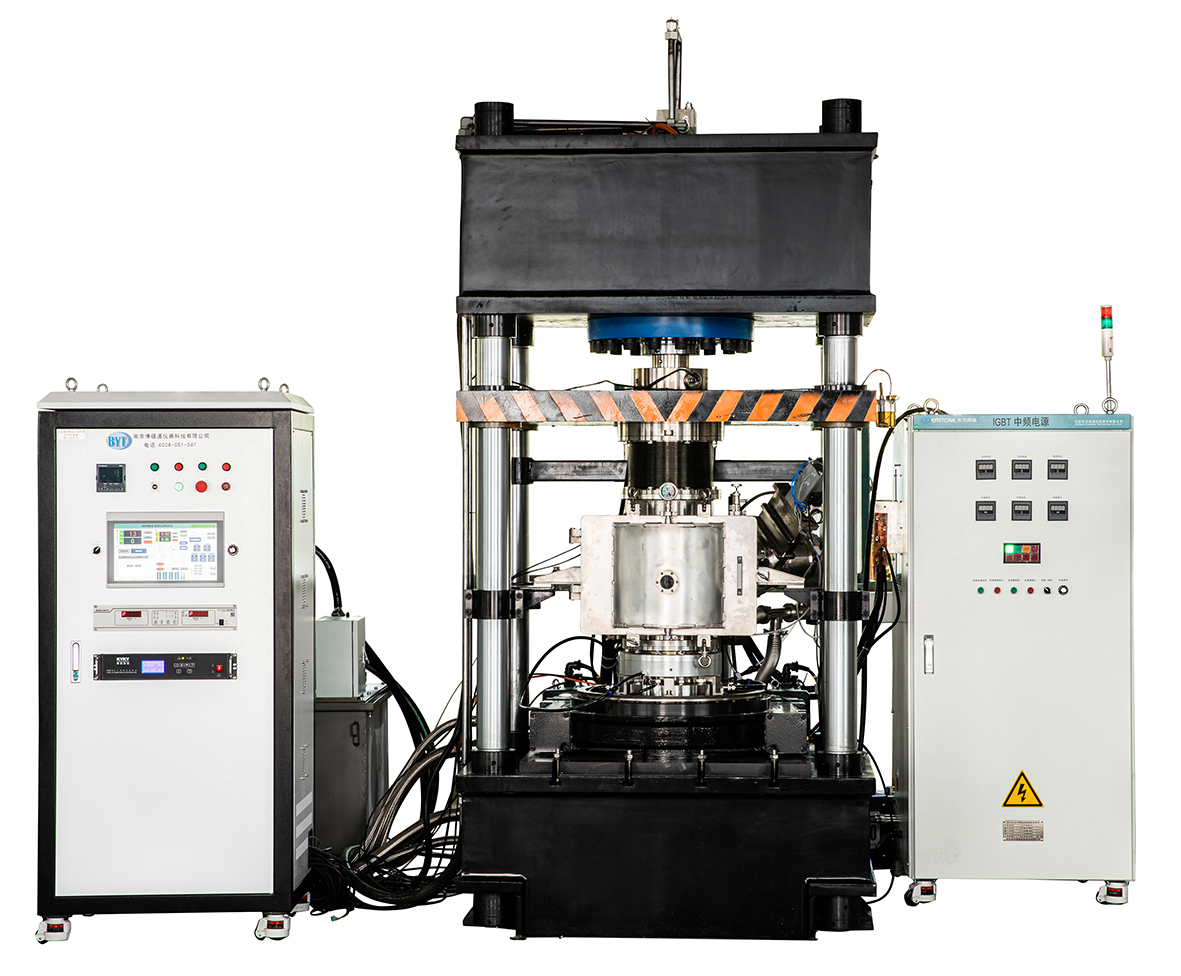
In one sentence
A high-pressure torsion system applies controlled pressure and rotational torsion to a sample so researchers can study severe plastic deformation, grain refinement and structure changes under repeatable conditions.
What a high-pressure torsion system must control
A high-pressure torsion system should be specified around the sample geometry, pressure range, torsion travel, temperature and the data that must be recorded during deformation. The machine is not just a frame and a rotary head; it is a controlled test platform for studying how the material responds under force, rotation and confinement at the same time.
That means the supplier needs to know the target deformation route before the quotation is prepared. If the sample shape, force profile or logging scope is unclear, the quoted system can miss the actual laboratory validation goal.
How to turn a deformation study into an RFQ
A useful RFQ should include the material system, sample diameter or thickness, target pressure, torsion turns or angle, temperature, atmosphere, die or tooling preference and the output data you want to capture. If the study needs heating, cooling, repeated loading or post-run inspection, those details should be written into the first request.
The acceptance result should also be clear: grain refinement, phase change, torque trace, pressure trace, repeatability or another defined research outcome. Those criteria keep the configuration tied to the actual deformation experiment instead of a generic press platform.
Key facts
- ✓High-pressure torsion systems are defined by pressure, torsion and sample geometry.
- ✓Temperature, atmosphere and tooling change the repeatability of the experiment.
- ✓Force trace and torsion trace are useful acceptance data for the RFQ.
- ✓Sample diameter and thickness should be stated before quotation.
- ✓The final configuration should match the validation method, not only the frame size.
How to approach the process
- 01
Define the material system and sample geometry.
- 02
Set the target pressure, torsion travel and temperature.
- 03
Specify atmosphere, tooling and logging requirements.
- 04
Confirm loading, alignment and safety constraints.
- 05
Request a torsion configuration matched to the validation plan.
What to specify before comparing equipment
State sample diameter, thickness and shape because the torsion platform and die set are built around the real specimen.
Define target pressure, torsion angle or turns and the maximum force required for the experiment.
Describe temperature range, heating method and atmosphere so the deformation path is quoted correctly.
List die, fixture, alignment and safety requirements before the configuration is finalized.
Say which traces, measurements or post-run analyses will be used to confirm the result.
Useful inputs for a technical inquiry
A clear first inquiry does not require a final specification. It should establish the material, process target and operating constraints so the equipment scope can be reviewed against the application.
- ✓Material system, sample diameter and thickness
- ✓Target pressure, torsion travel and deformation result
- ✓Temperature, atmosphere and heating preference
- ✓Tooling, loading and safety expectations
- ✓Force trace, torque trace and validation requirements
Process comparison
A basic study works when the sample and torsion route are simple.
A controlled deformation study is needed when pressure, logging and repeatability are part of the experiment.
Frame size and general force capacity.
Sample geometry, pressure, torsion, temperature, tooling and data output.
The machine must physically run the sample.
The machine must produce the deformation result the lab wants to prove.
Frequently asked questions
What should I define first for a high-pressure torsion system?
Start with the material system, sample size, target pressure, torsion travel and the deformation result you want to verify.
Why does logging matter?
Because force, torque and temperature traces help prove that the deformation route was actually achieved.
Can heating be added to the torsion study?
Yes, but the temperature range and atmosphere should be stated with the torsion requirements from the start.