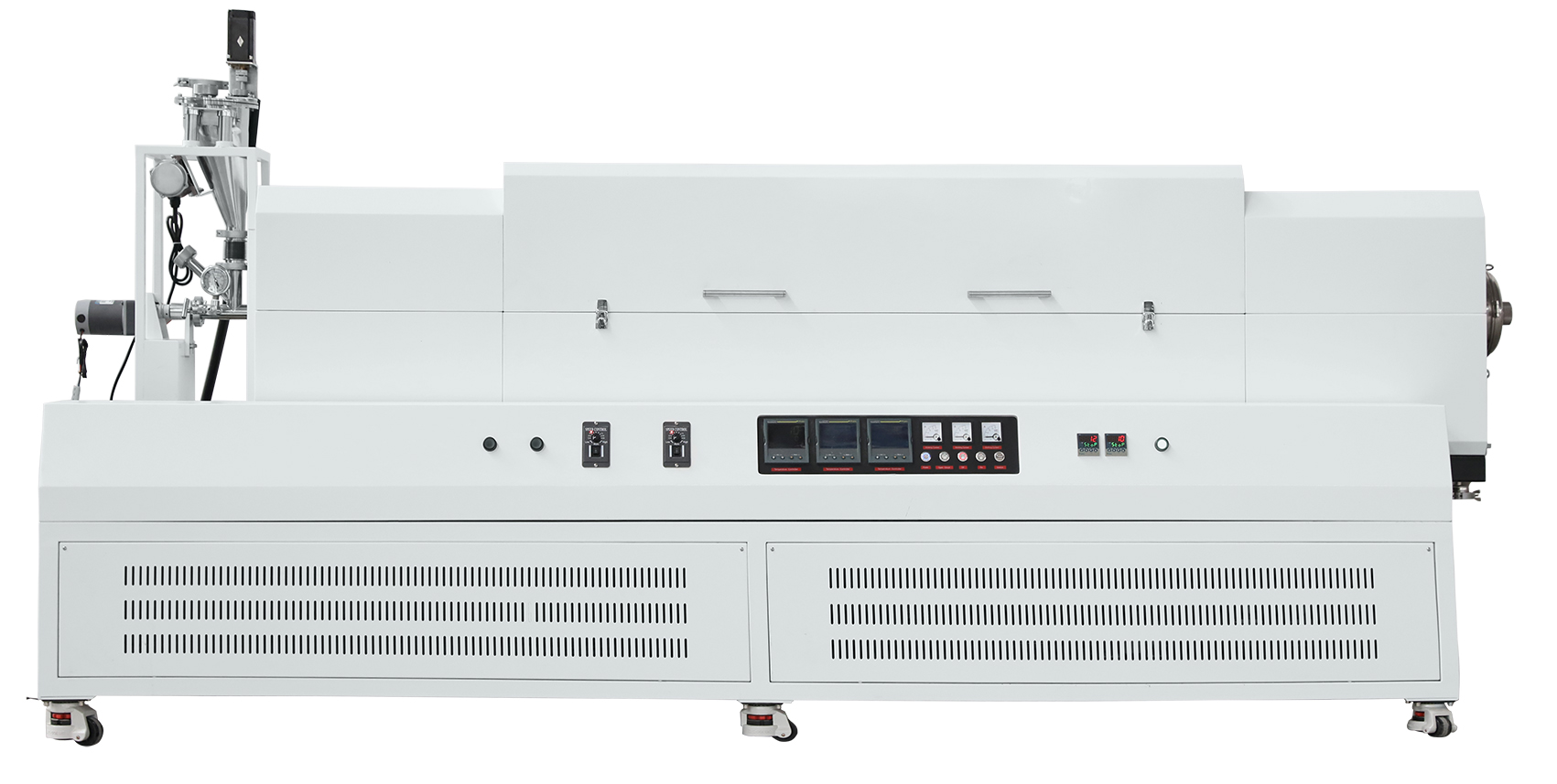
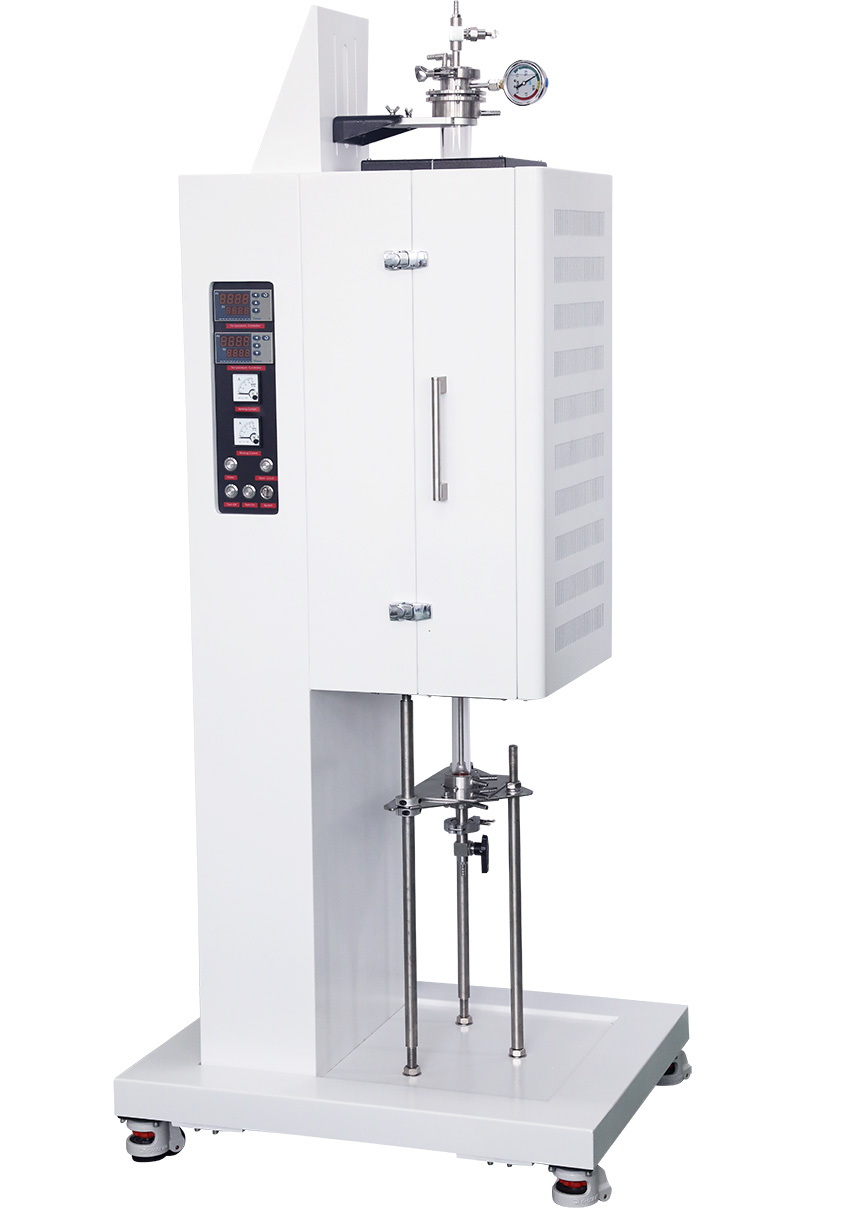
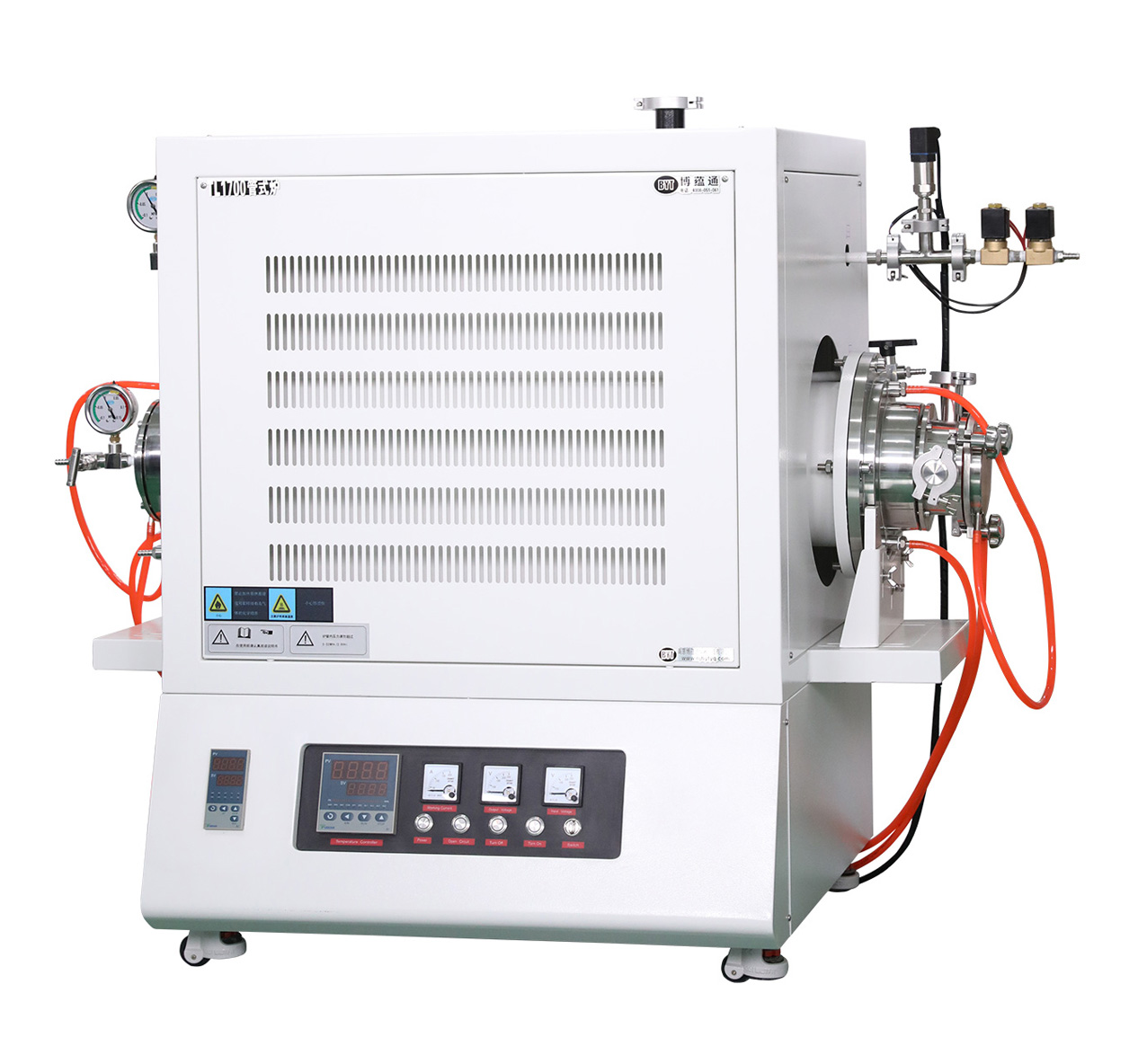
In one sentence
A tube furnace is a heating system built around a process tube, allowing material to be heated under air, vacuum or a controlled flowing atmosphere.
Key facts
- ✓Zone count controls how precisely the thermal profile can be shaped.
- ✓Tube material must match temperature and chemical compatibility.
- ✓Hydrogen, vacuum and rotating designs add different utility and safety requirements.
- ✓Working length and diameter should be based on the actual sample and fixtures.
How to approach the process
- 01
Define sample size and process temperature.
- 02
Choose tube material and usable heating length.
- 03
Decide zone count and temperature uniformity needs.
- 04
Specify gas, vacuum, rotation and safety options.
- 05
Confirm controller, accessories and installation utilities.
What to specify before comparing equipment
Use actual sample dimensions, boats, racks and loading method to determine usable tube diameter and heated length.
Choose zone count from the required heating profile and uniformity requirement, not simply from a preference for more zones.
Match tube material, gas path and sealing approach to the intended temperature and chemical environment.
Rotary, hydrogen-capable and vacuum configurations require their own utility, handling and safety scope before quotation.
Useful inputs for a technical inquiry
A clear first inquiry does not require a final specification. It should establish the material, process target and operating constraints so the equipment scope can be reviewed against the application.
- ✓Sample size, fixtures and required tube diameter
- ✓Heated length, target temperature and thermal profile
- ✓Tube material and atmosphere or vacuum requirement
- ✓Gas type, rotation or feeding requirements
- ✓Controller, accessories, site utilities and safety expectations
Frequently asked questions
What is the difference between single-zone and multi-zone tube furnaces?
A multi-zone tube furnace provides more control over the temperature profile along the tube, while a single-zone system is simpler for uniform heating.
Can a tube furnace use hydrogen?
Hydrogen-capable designs can be configured with suitable gas handling and safety systems.
Can the tube rotate?
Rotary tube furnace configurations are available when material movement or mixing is part of the process.