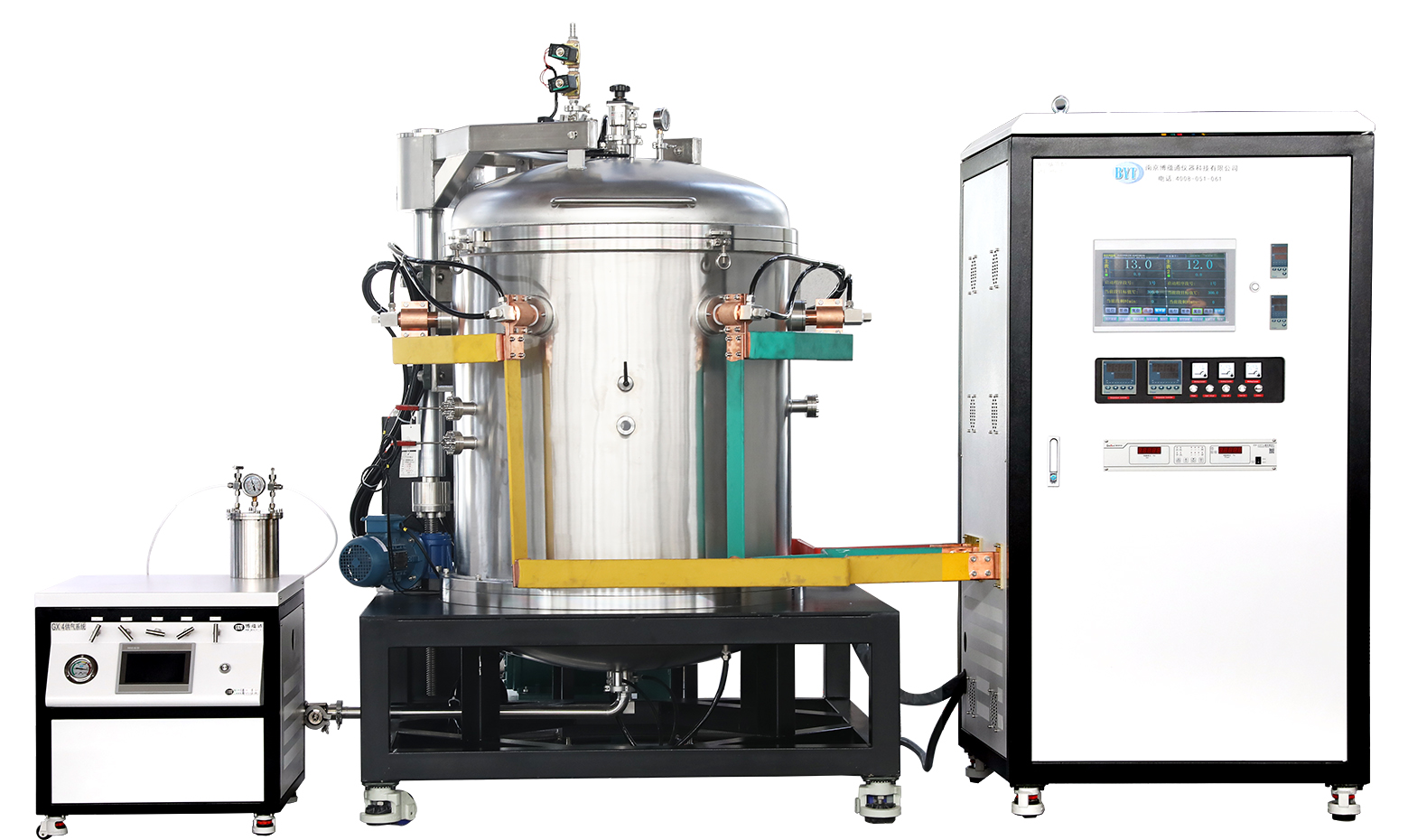
In one sentence
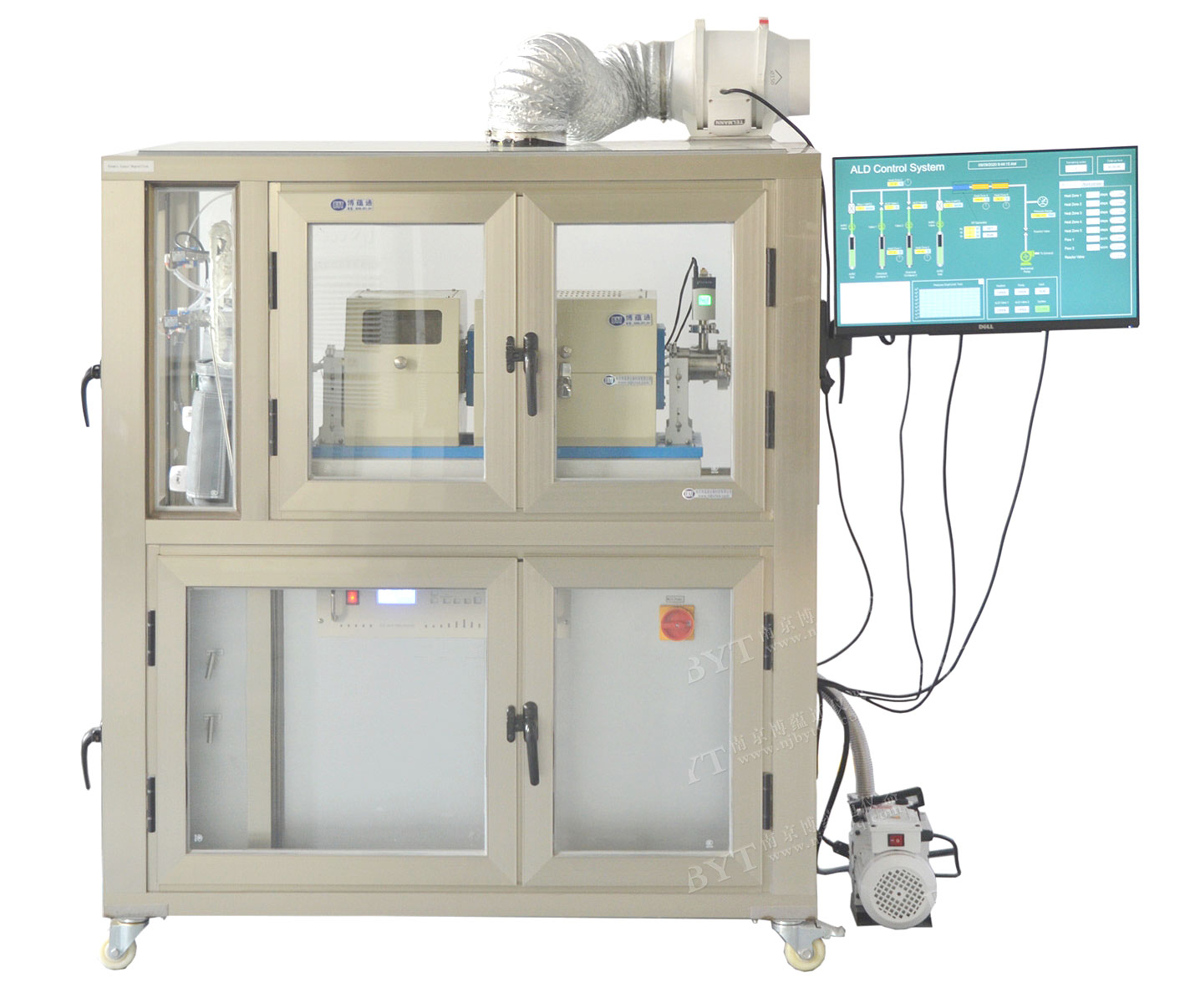
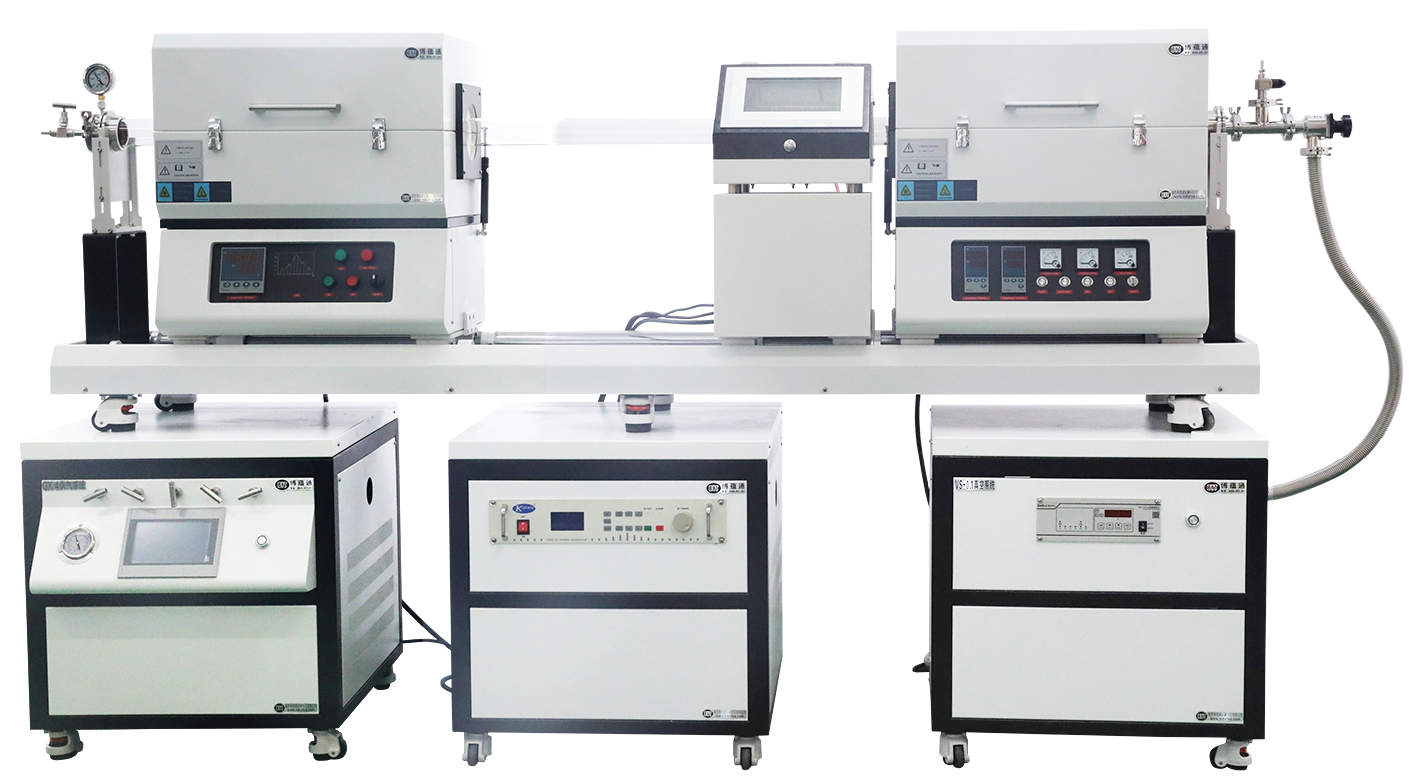
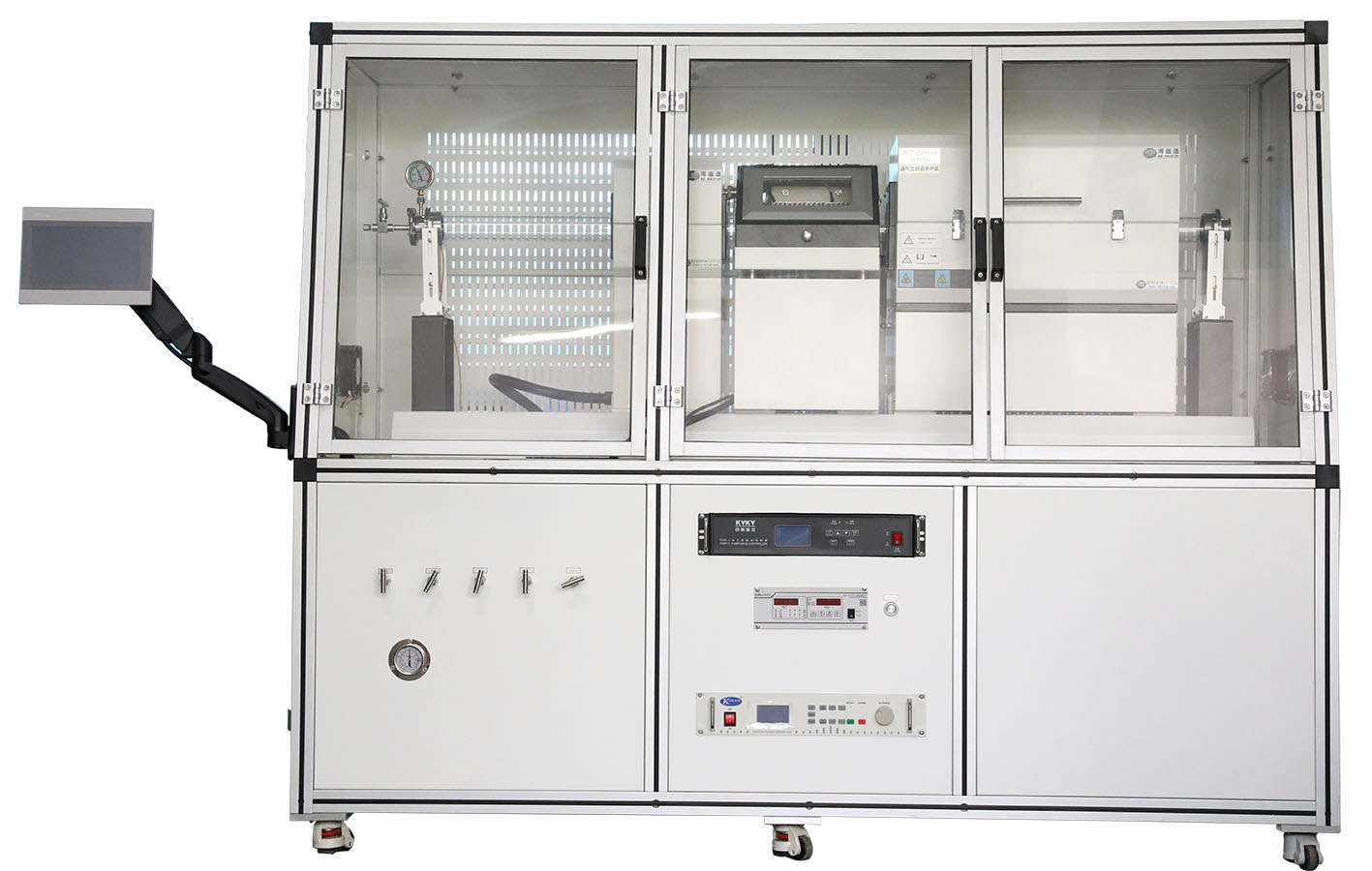
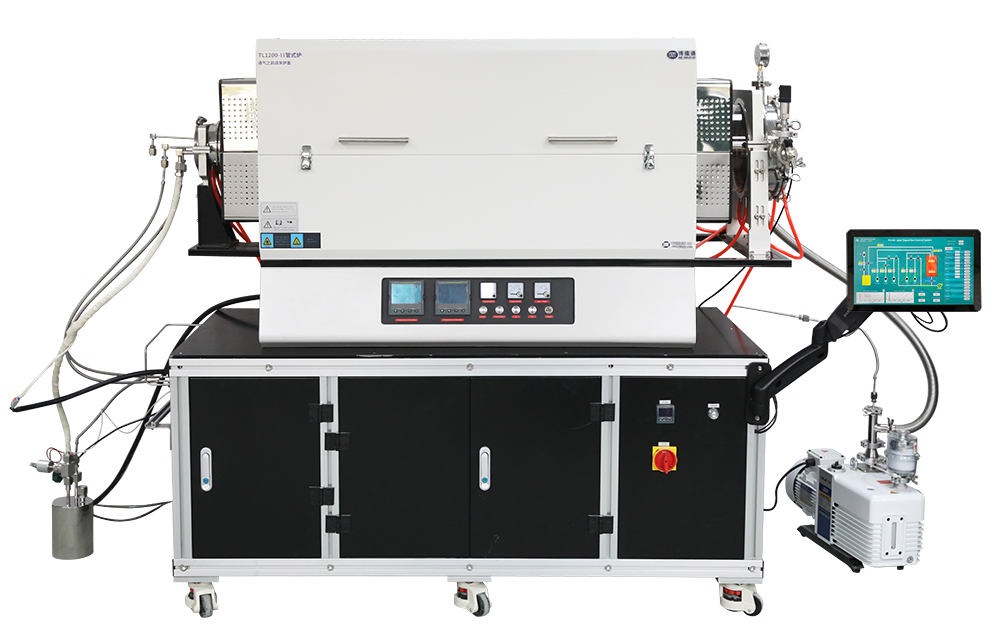
A deposition system is a controlled reactor used to grow or coat thin films by coordinating precursors, gas flow, substrate temperature, pressure and exhaust handling around the target material.
What makes a deposition system different
A deposition system is not specified only by the heater or the chamber. The process depends on precursor chemistry, gas routing, substrate placement, pumping behavior and the pressure window where film quality stays repeatable.
That means the right inquiry should begin with the film objective and the substrate, then move into gas delivery, reactor geometry and exhaust control. If those items are separated, the quote usually misses part of the process scope.
What should be defined before quotation
The first inquiry should name the target film or coating, substrate size, process temperature, pressure range, precursor set and whether the system needs batch or single-substrate handling. If plasma, rotation, spray, evaporation or continuous feed is involved, that belongs in the same request.
Exhaust treatment, gas safety, maintenance access and data logging should also be discussed early. These items determine whether the platform is a lab reactor, a production reactor or a custom thin-film system.
Key facts
- ✓Film chemistry, gas delivery and temperature control must be specified together.
- ✓Substrate size and reactor geometry affect uniformity and throughput.
- ✓Pressure window and pumping behavior are core design inputs.
- ✓Exhaust and precursor handling can change the safety scope of the system.
- ✓Batch and single-substrate workflows should be stated before quotation.
How to approach the process
- 01
Describe the film or coating objective in one sentence.
- 02
List the substrate material, size and number of pieces per run.
- 03
State the process temperature, pressure and precursor set.
- 04
Confirm gas delivery, exhaust, safety and maintenance expectations.
- 05
Ask for a reactor configuration matched to the process window.
What to specify before comparing equipment
State the precursor or gas chemistry so the supplier can judge whether CVD, PECVD, ALD, MOCVD or another route is appropriate.
Give the substrate material, dimensions and batch size to define the reactor geometry and handling method.
Specify the operating window together because film quality depends on both conditions, not only on one setting.
Describe gas sources, flow control, exhaust handling and precursor safety so the utility scope is complete.
Include data logging, cleaning, replacement and maintenance expectations before the configuration is finalized.
Useful inputs for a technical inquiry
A clear first inquiry does not require a final specification. It should establish the material, process target and operating constraints so the equipment scope can be reviewed against the application.
- ✓Film objective, substrate material and target thickness
- ✓Substrate size, count and loading method
- ✓Temperature range, pressure range and cycle time
- ✓Precursor, carrier gas and exhaust requirements
- ✓Logging, maintenance and site safety constraints
Frequently asked questions
What is the first thing to define for a deposition system?
Start with the film objective, substrate and chemistry, because those choices drive the reactor type and gas delivery scope.
Do deposition systems need the pressure window in the first inquiry?
Yes. Pressure, gas flow and pumping behavior are central to film quality and must be part of the initial request.
Can one system support several deposition methods?
Sometimes, but only if the reactor geometry, gas handling and controls are designed around that broader process scope.