In one sentence
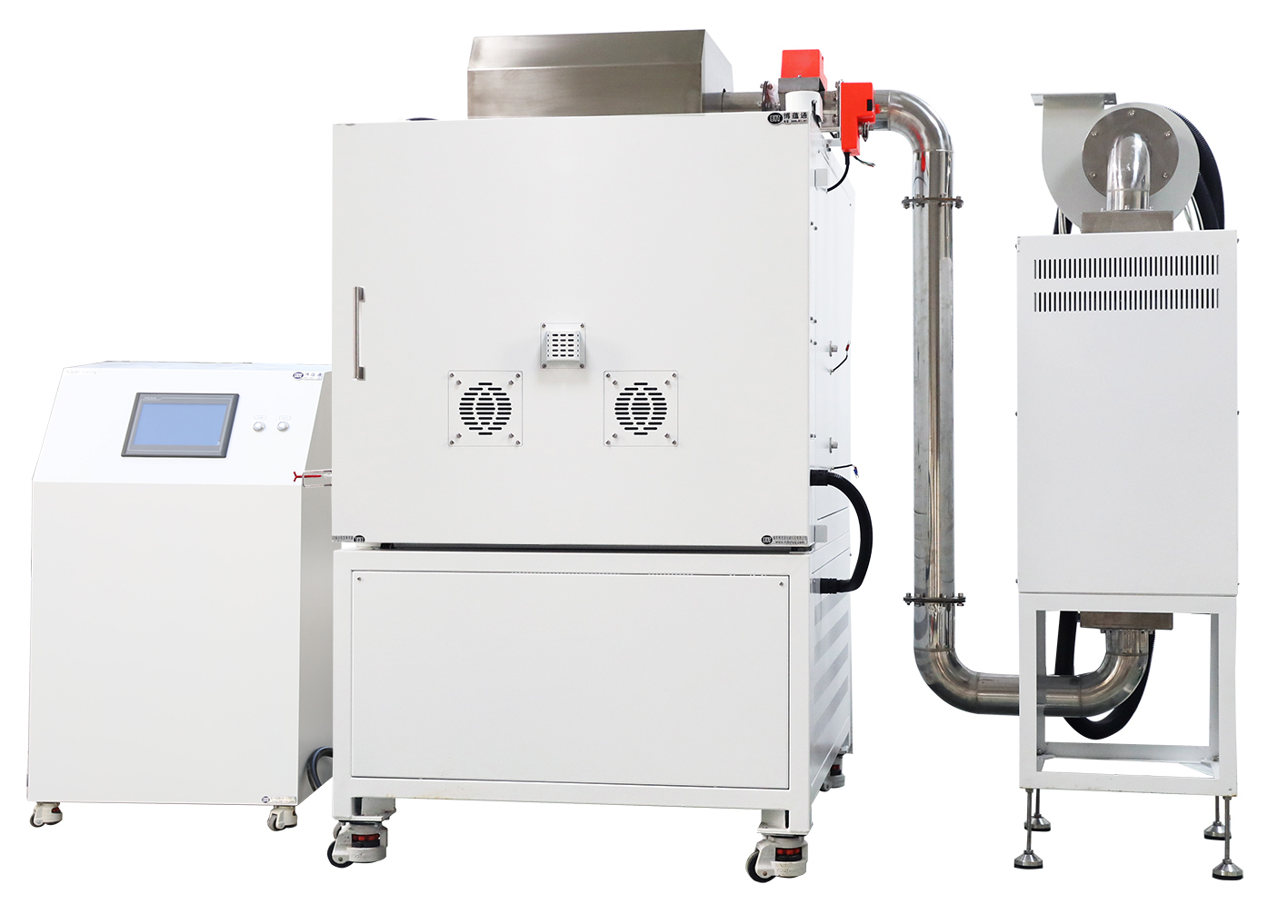
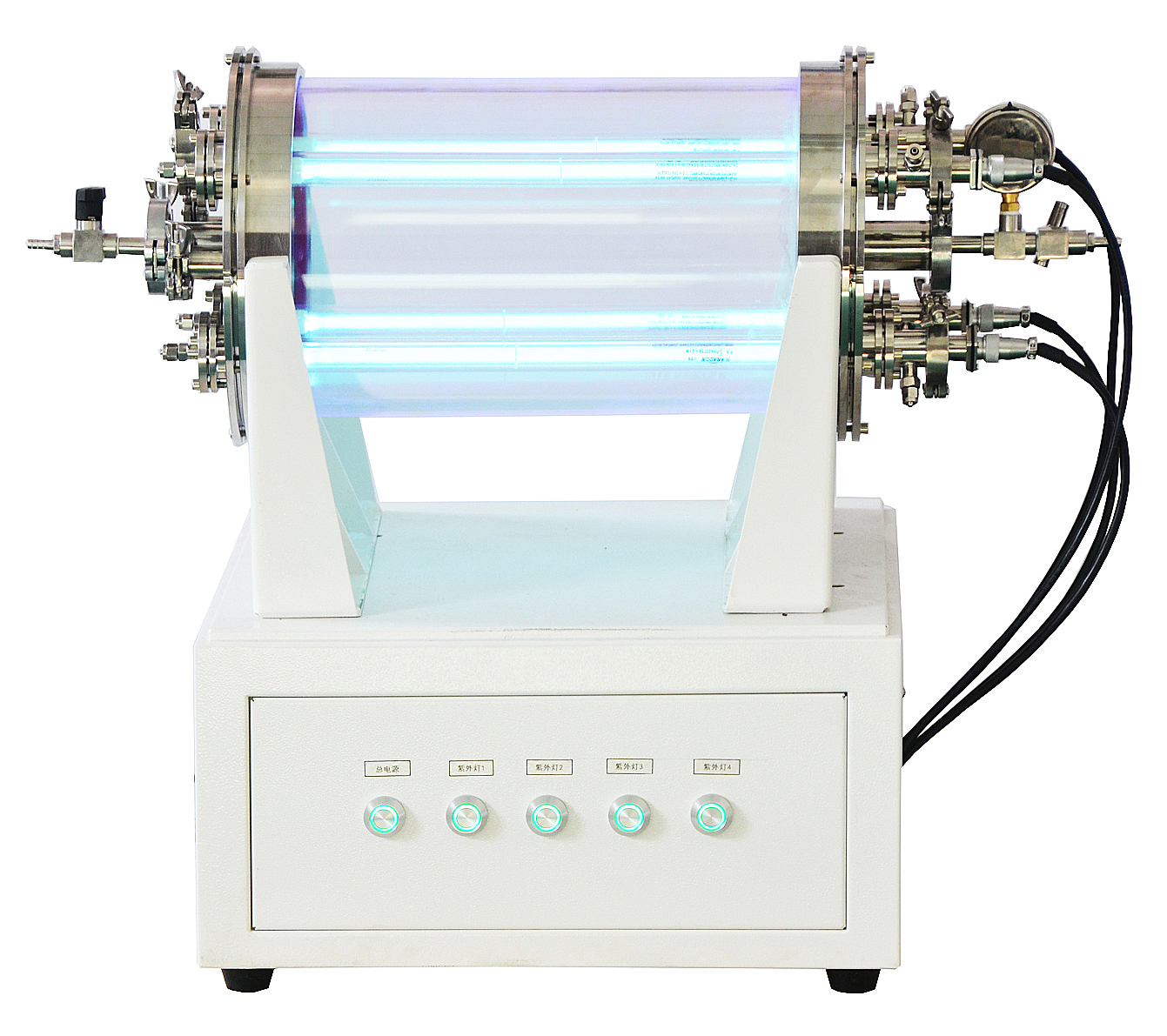
A special system is a custom thermal or process platform built around the route, motion, atmosphere, chamber or measurement requirements that do not fit a standard furnace family.
When a special system is the right choice
A special system becomes the right choice when the process depends on motion, torsion, stirring, chamber layout or measurement logic that a standard furnace family cannot describe cleanly. In those cases, the machine label matters less than the process route and the result the buyer needs to prove.
That is why special systems should be specified as process tools first and equipment models second. The project is easier to quote when the request names the material system, the task being validated and the operating envelope in one place.
What belongs in the first inquiry
The first inquiry should state the process route, sample geometry, temperature range, atmosphere or vacuum requirement, motion or force needs and any data output that must be recorded. If stirring, torsion, loading, feeding or chamber transfer is part of the route, that detail should appear in the same request.
Utilities, site limits, acceptance criteria and safety requirements should be written early as well. Those items decide whether the quoted scope is a standard unit, a modified platform or a fully custom build.
Key facts
- ✓A special system is defined by the process route, not only by the heating source.
- ✓Motion, force, stirring and chamber layout can change the whole equipment scope.
- ✓Acceptance criteria and data output belong in the first inquiry.
- ✓Utilities and safety functions should be reviewed before quotation.
- ✓A clear process description reduces redesign on custom projects.
How to approach the process
- 01
Describe the process objective and the material system.
- 02
List the motion, force, stirring or chamber requirements.
- 03
State the temperature, atmosphere and data output needs.
- 04
Confirm utilities, safety scope and site constraints.
- 05
Request a process-based configuration review before selecting a model.
What to specify before comparing equipment
Explain the exact custom operation so the vendor can decide whether the project is a furnace, a platform or a hybrid system.
State whether the system needs torsion, feeding, stirring, transfer or another custom mechanical function.
Describe the temperature range, atmosphere or vacuum level and any special heating or containment requirement.
Define what must be measured, logged or proven before the project can be accepted.
List power, cooling, gas, exhaust and safety expectations before asking for a quotation.
Useful inputs for a technical inquiry
A clear first inquiry does not require a final specification. It should establish the material, process target and operating constraints so the equipment scope can be reviewed against the application.
- ✓Process route, material system and sample geometry
- ✓Temperature range, atmosphere or vacuum requirement
- ✓Motion, force, stirring or feeding requirement
- ✓Required data output, logging or acceptance method
- ✓Power, cooling, gas and site safety constraints
Process comparison
The process already matches a common furnace family.
The process needs custom motion, force, stirring or chamber behavior.
Standard thermal scope and normal accessories.
Process route, mechanics, utilities and safety must all be defined.
Temperature, atmosphere and batch size are usually enough.
Process route, data output and acceptance criteria are essential.
Frequently asked questions
When should I choose a special system instead of a standard furnace family?
Choose a special system when the process depends on custom motion, force, stirring, chamber layout or data requirements that a standard family does not cover.
What information should the first inquiry include?
Include the process route, material system, temperature, atmosphere or vacuum, motion or force needs, data output and acceptance criteria.
Can a special system still use standard furnace modules?
Yes, but the final design is still judged by the process route and the utility, safety and control scope it needs.