In one sentence
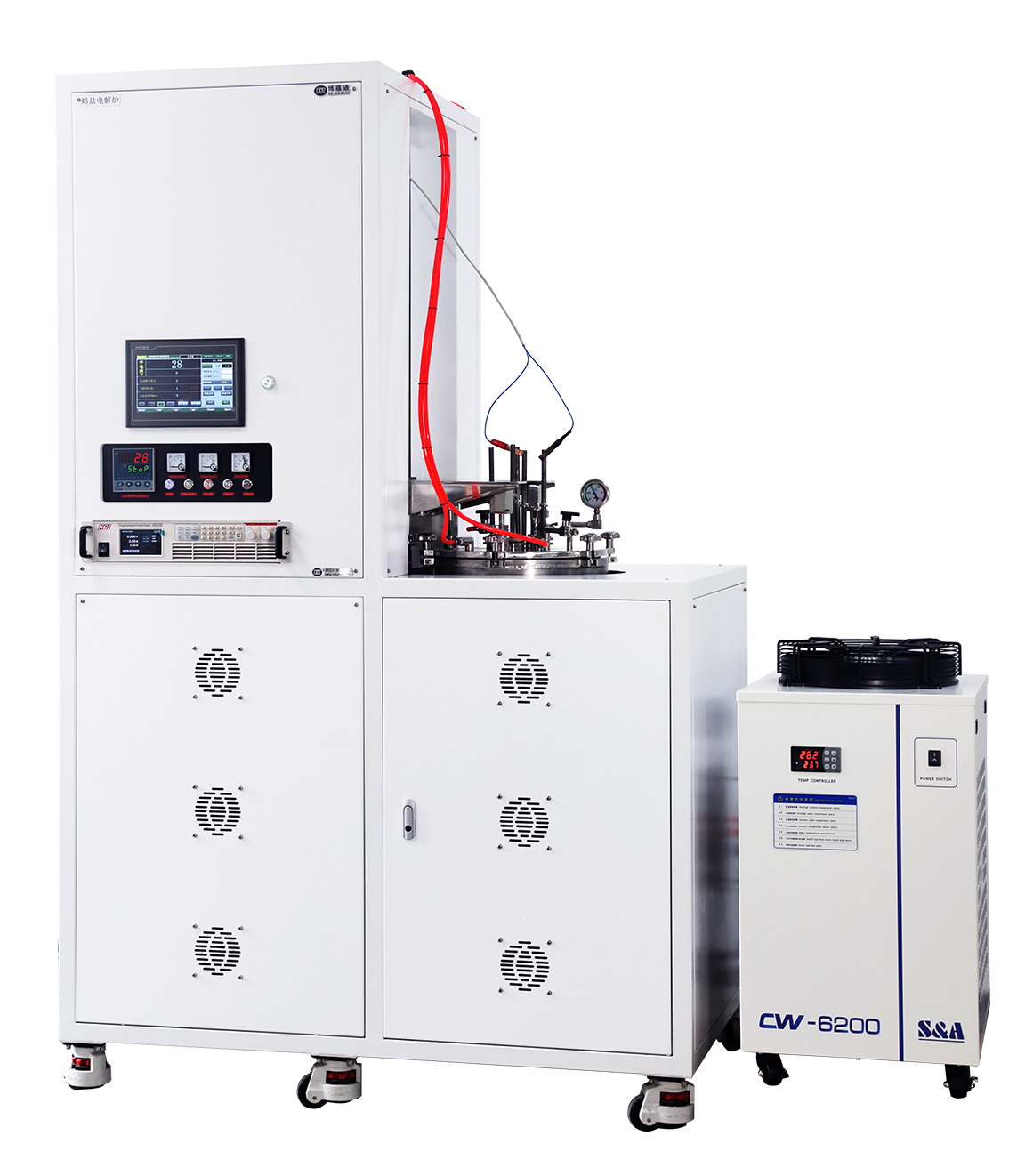
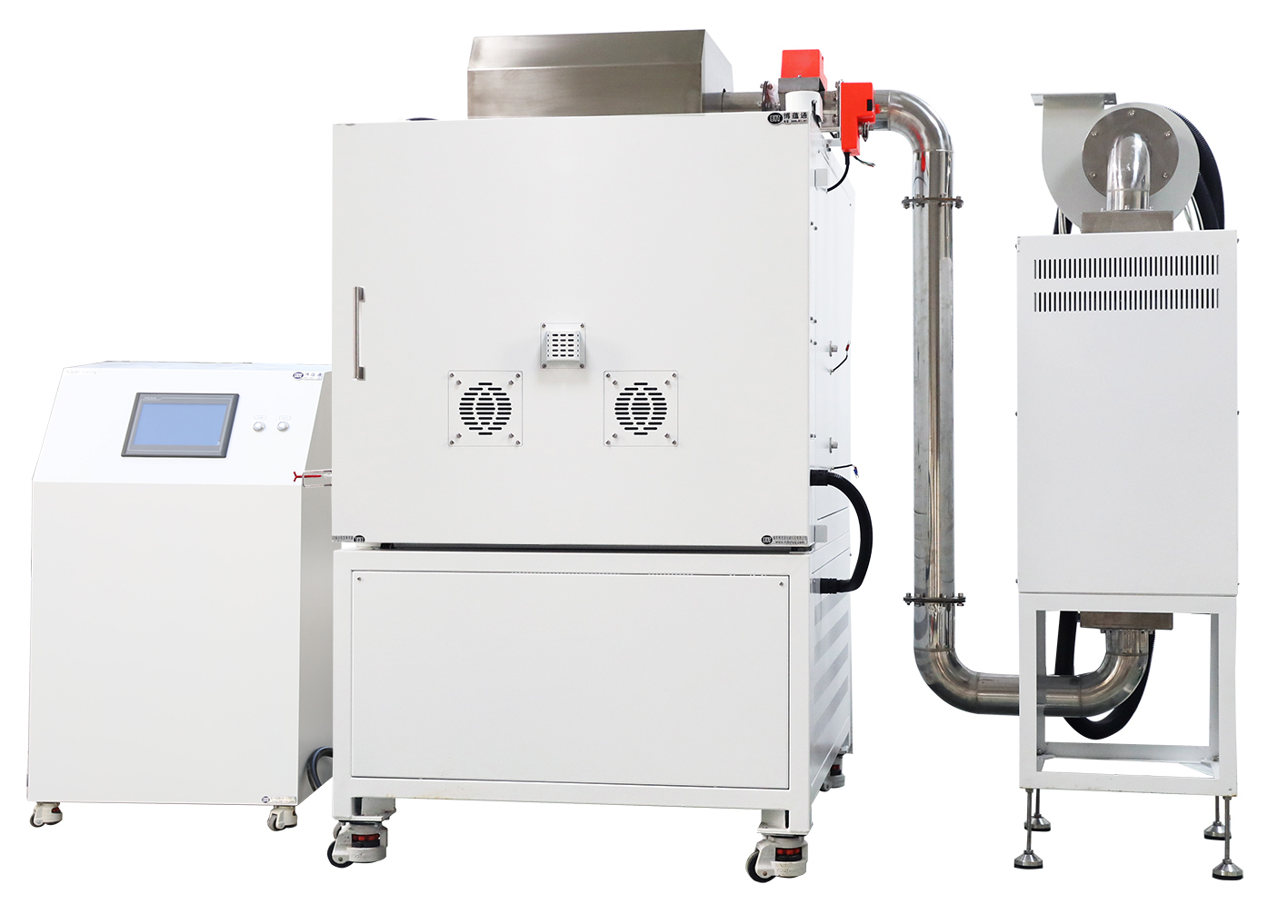
A molten salt furnace uses a heated salt bath or salt-assisted route to transfer heat efficiently, support chemical processing or expose samples to a controlled high-temperature environment.
What a molten salt furnace must control
A molten salt furnace should be specified around the salt chemistry, sample load, container material, temperature and the way the sample enters and leaves the bath. The bath itself is part of the process, so corrosion, contamination and recovery need to be treated as core design inputs rather than afterthoughts.
That is why the right inquiry starts with the material route and the thermal result, then moves into containment, cleaning and safety. If the chemical environment is not clear, the quotation can miss the real maintenance and compatibility burden.
How to turn a salt process into an RFQ
A useful RFQ should include the salt composition, target temperature, sample size, loading or immersion route, atmosphere, crucible or vessel material and the cleanup or recovery steps needed after use. If the process needs preheating, controlled transfer, filtration or repeated bath reuse, that should be written into the first request.
The acceptance result should be equally clear: bath stability, sample uniformity, corrosion limit, recovery yield, repeatability or another defined research outcome. Those criteria keep the design focused on the actual salt process rather than a generic heating shell.
Key facts
- ✓Molten salt furnace selection starts with bath chemistry and corrosion control.
- ✓Container material and temperature limit should be specified together.
- ✓Loading route, cleaning and recovery often change the equipment scope.
- ✓Atmosphere and containment should be discussed before quotation.
- ✓Acceptance criteria should describe the sample result and the bath behavior.
How to approach the process
- 01
Define the salt chemistry, material system and target thermal result.
- 02
Set the temperature, atmosphere and sample loading route.
- 03
Choose crucible, vessel or containment material.
- 04
Confirm cleaning, recovery, exhaust and safety expectations.
- 05
Request a bath configuration matched to the process and maintenance plan.
What to specify before comparing equipment
State the salt composition and the chemical purpose of the bath so corrosion and contamination limits are quoted correctly.
Define the operating temperature and the vessel or crucible material because they set the usable process window.
Explain how the sample enters, leaves or interacts with the bath so the handling route is built into the scope.
Describe cleanup, bath reuse, filtration or recovery requirements because they often affect the final design.
List exhaust, protection and validation criteria so the quotation can be judged against the actual process result.
Useful inputs for a technical inquiry
A clear first inquiry does not require a final specification. It should establish the material, process target and operating constraints so the equipment scope can be reviewed against the application.
- ✓Salt composition, material system and target process result
- ✓Temperature range, atmosphere and batch or sample size
- ✓Crucible, vessel or containment preference
- ✓Loading, recovery, cleaning and safety requirements
- ✓Repeatability, corrosion limit and acceptance criteria
Process comparison
A basic bath is enough when the chemistry is simple and the sample route is short.
A controlled salt-process path is needed when corrosion, recovery and repeatability matter.
Temperature and container size.
Bath chemistry, vessel material, loading route, cleaning and recovery.
The bath reaches temperature.
The bath remains stable enough to support the process and maintenance plan.
Frequently asked questions
What should I define first for a molten salt furnace?
Start with the salt chemistry, material system, target temperature and the way the sample will be loaded or immersed.
Why does container material matter?
Because bath chemistry and temperature determine corrosion limits and usable vessel life.
Should cleaning be included in the inquiry?
Yes. Cleaning and recovery are part of the real process cost and should be discussed early.