In one sentence
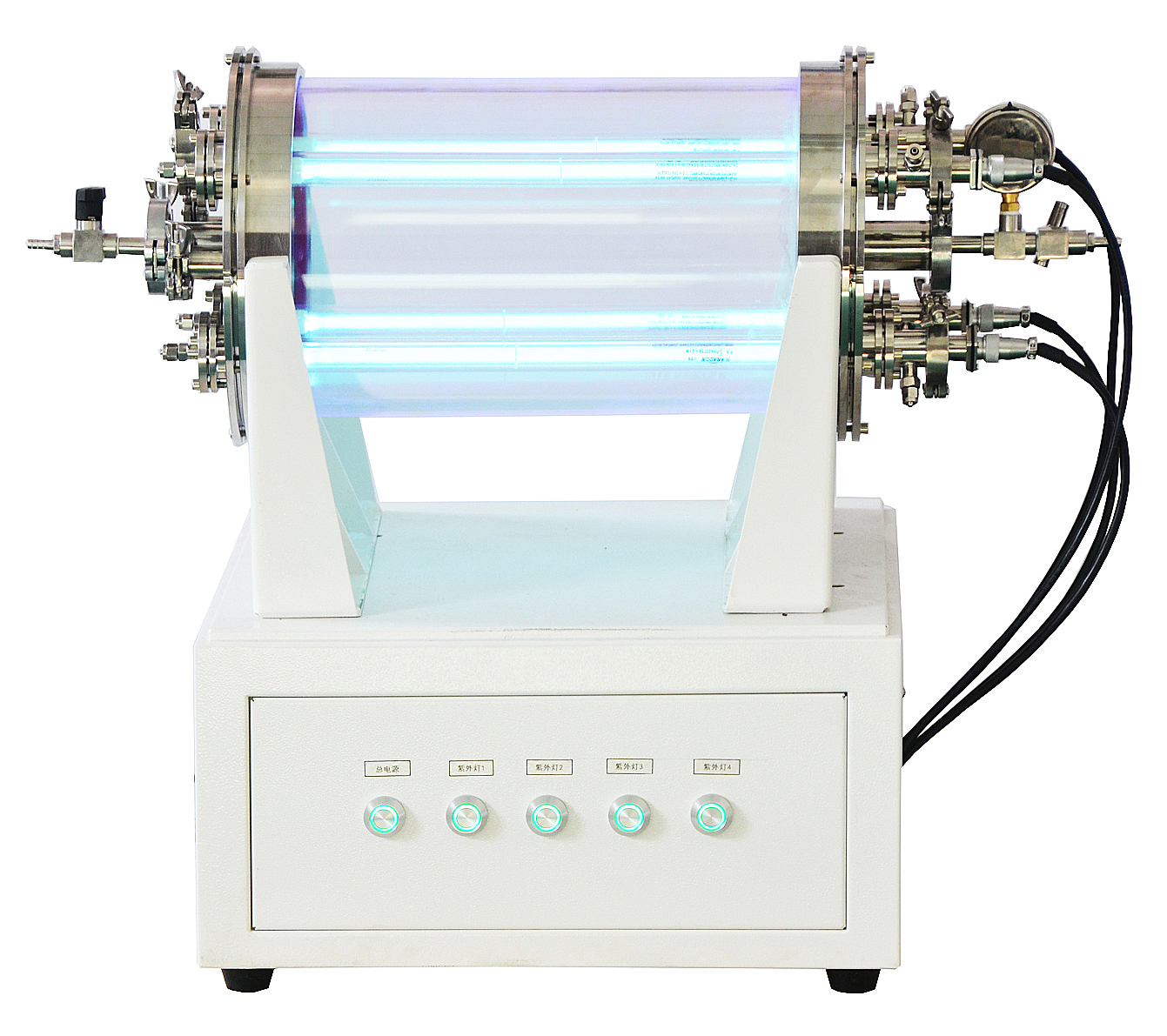
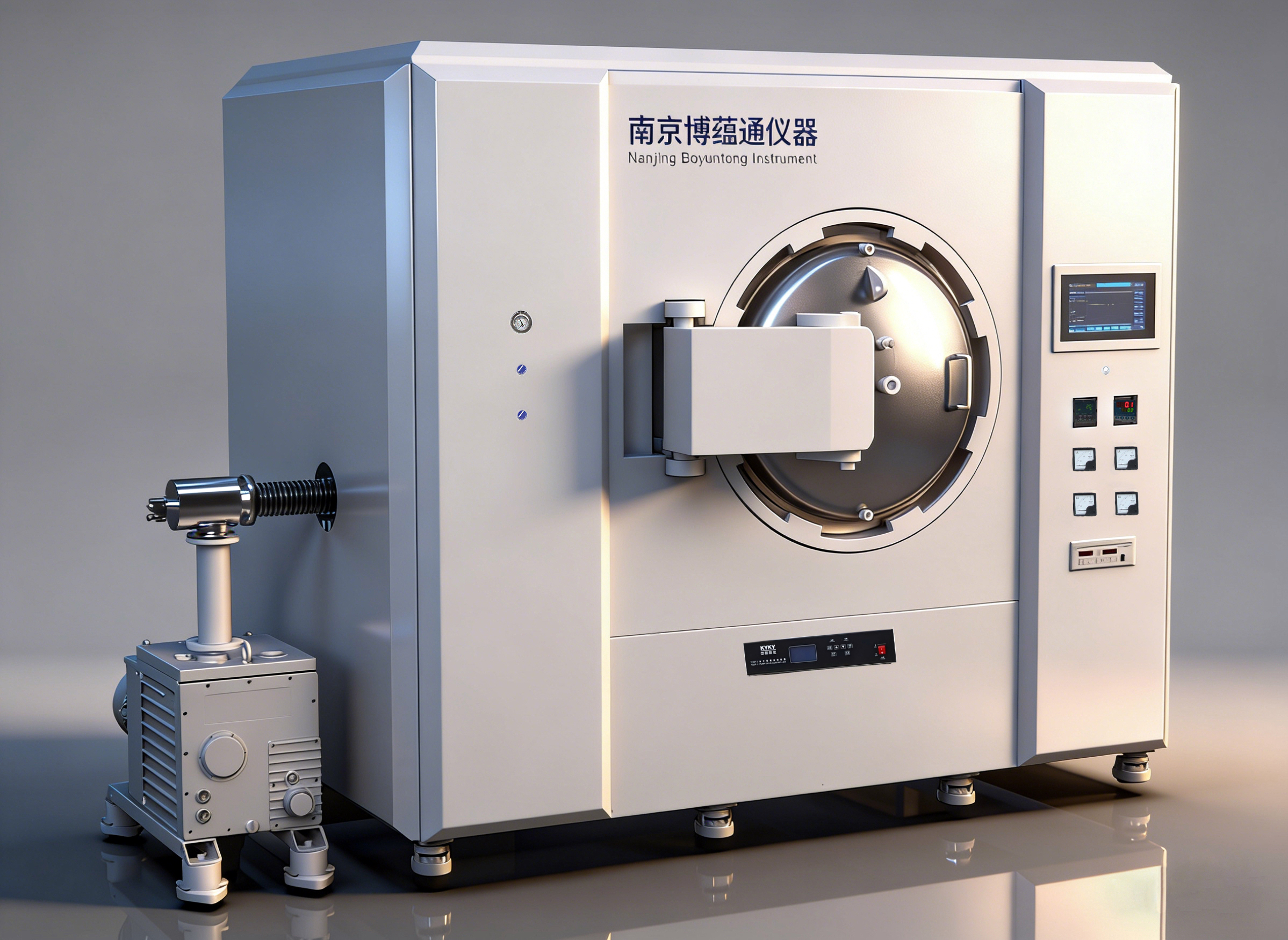
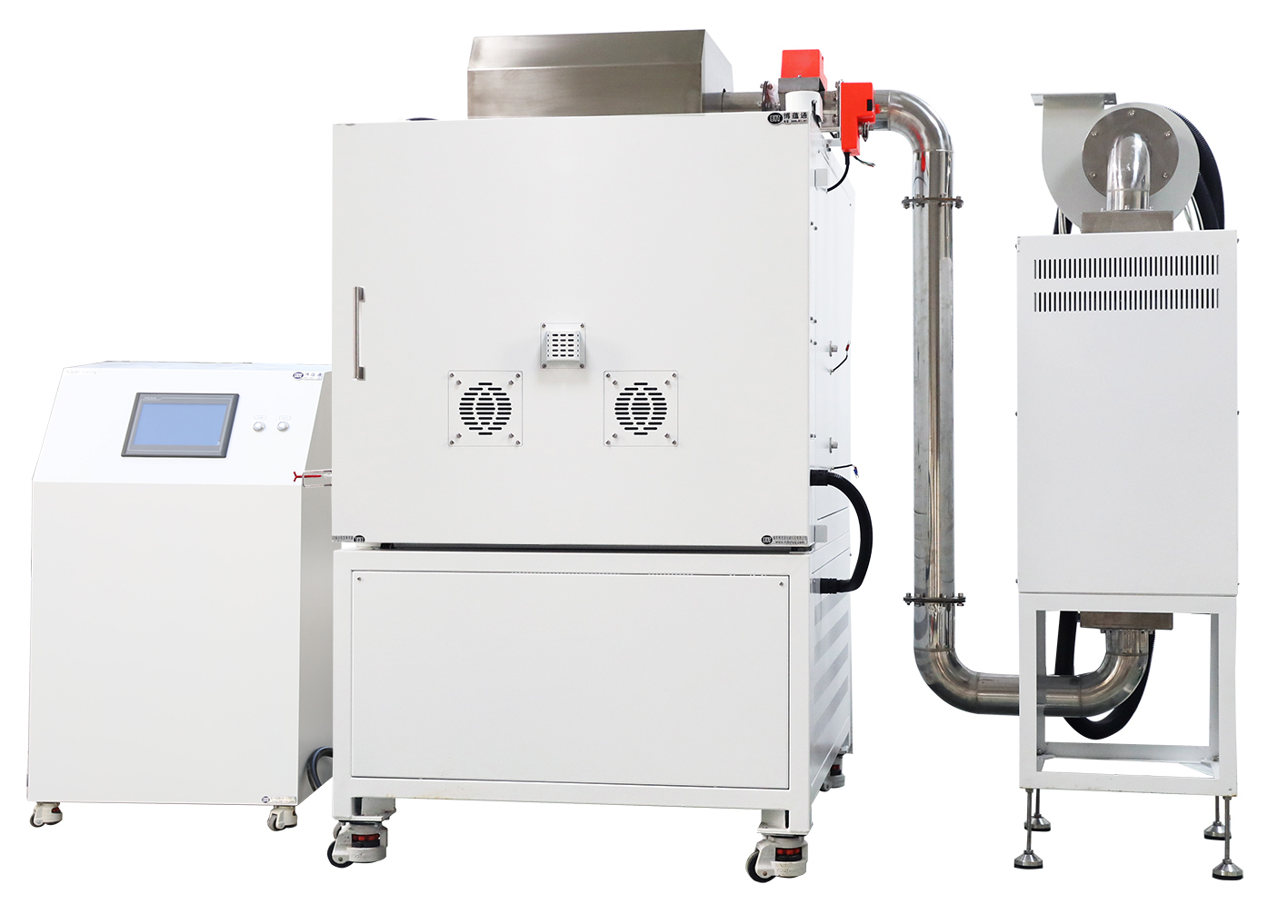
A PAM chamber is a custom process chamber built around the chamber volume, vacuum or protected-atmosphere target, access points and acceptance criteria required by the process route.
What a PAM chamber must control
A PAM chamber should be specified around the job the chamber must perform, the chamber volume, target vacuum level, fixture layout and the feedthroughs needed for power, gas or diagnostics. The chamber is part of the process system, so temperature window, instrument access and loading method all matter as much as the envelope itself.
That is why a useful inquiry starts with the process route and the acceptance result. If the chamber size or access pattern is vague, the quotation can miss the real hardware scope and the test method the lab needs to prove.
How to turn a chamber project into an RFQ
A useful RFQ should include the material system, chamber volume, target vacuum level, temperature range, gas backfill or protected-atmosphere requirement, feedthrough list and any fixture or loading constraints. If the project needs repeated cycles, in-chamber measurement or transfer steps, those details should be written into the first request.
The acceptance result should also be defined clearly: base pressure, process stability, temperature uniformity, data logging or another specific validation outcome. Those criteria keep the chamber tied to the real process instead of a generic enclosure.
Key facts
- ✓PAM chambers are defined by chamber volume, access points and process scope.
- ✓Feedthroughs and fixtures should be specified with the thermal window.
- ✓Vacuum target and gas backfill affect the usable chamber envelope.
- ✓Logging and acceptance criteria should appear in the first inquiry.
- ✓The chamber must be quoted against the actual process route, not a generic shell.
How to approach the process
- 01
Define the process route, chamber size and vacuum target.
- 02
Set the fixture layout, feedthroughs and temperature window.
- 03
Specify gas backfill, diagnostics and loading constraints.
- 04
Confirm utilities, safety and repeatability requirements.
- 05
Request a chamber configuration matched to the validation plan.
What to specify before comparing equipment
State the physical envelope needed for the process so the chamber shell and internal fixtures are sized correctly.
List gas, power, signal or mechanical access points because they often define the real design scope.
Describe temperature range, vacuum level and any protected-atmosphere requirement together.
Explain how the sample enters the chamber and what internal support it needs during the run.
Say which measurements or test results will prove the chamber met the requested process condition.
Useful inputs for a technical inquiry
A clear first inquiry does not require a final specification. It should establish the material, process target and operating constraints so the equipment scope can be reviewed against the application.
- ✓Process route, chamber size and target vacuum level
- ✓Temperature window, gas backfill and atmosphere requirement
- ✓Feedthrough list, fixture design and loading method
- ✓Utility, safety and repeatability constraints
- ✓Base pressure, stability and acceptance criteria
Process comparison
A basic shell is enough when the chamber is only used for simple enclosure work.
A controlled PAM chamber is needed when access, logging and repeatability are part of the process.
Shell size and general chamber capacity.
Chamber volume, feedthroughs, fixtures, temperature and acceptance data.
The chamber physically fits the equipment layout.
The chamber supports the declared process condition and test method.
Frequently asked questions
What should I define first for a PAM chamber?
Start with the process route, chamber size, vacuum target and the access or feedthrough needs.
Why do fixtures matter?
Because the internal support and loading path can change the chamber geometry and the real quotation scope.
Can a PAM chamber use backfill gas?
Yes, but the gas type, pressure range and temperature window should be stated with the process request.