In one sentence
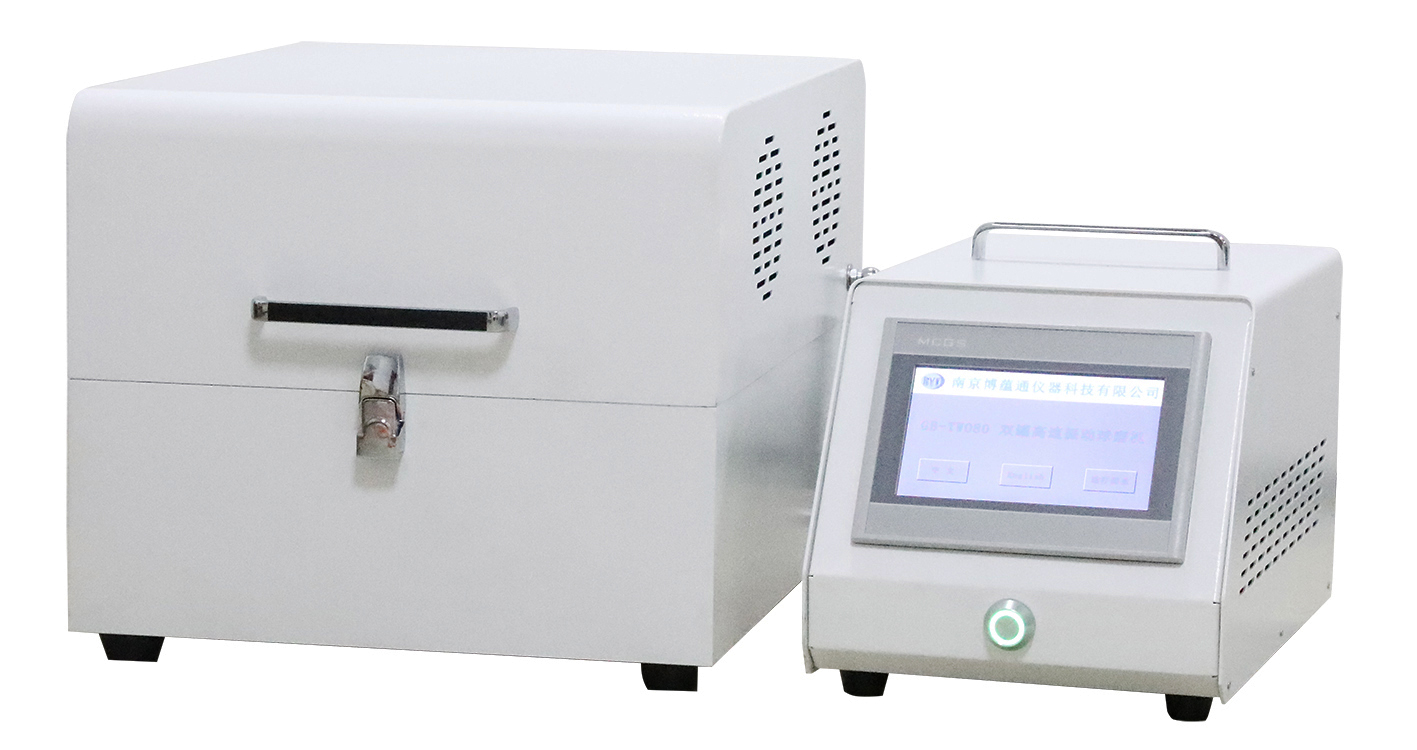
A planetary ball mill uses planetary motion between milling jars and a rotating support to mix, grind or mechanically alloy powders.
Key facts
- ✓Jar and ball material can affect contamination.
- ✓Capacity, speed and milling time determine throughput.
- ✓Sealed jars support controlled or protected milling environments.
- ✓Low-temperature options help with heat-sensitive powders.
How to approach the process
- 01
Define powder type, quantity and target fineness.
- 02
Select jar volume and material.
- 03
Choose speed, motion and cycle requirements.
- 04
Confirm atmosphere or low-temperature needs.
- 05
Plan screening, cleaning and replacement parts.
What to specify before comparing equipment
Describe the powder, starting particle condition, batch quantity and the result needed from mixing, grinding, dispersion or mechanical alloying.
Select jar and ball materials against the powder chemistry and acceptable contamination level for the experiment or process.
Plan jar volume, operating speed, run time and cycle count around the intended batch size and repeatability requirement.
Confirm whether sealed, protected or low-temperature milling is needed and include cleaning, screening and replacement-part needs in the scope.
Useful inputs for a technical inquiry
A clear first inquiry does not require a final specification. It should establish the material, process target and operating constraints so the equipment scope can be reviewed against the application.
- ✓Powder type, batch quantity and target fineness
- ✓Preferred jar and ball material or contamination limits
- ✓Jar volume, speed, cycle time and throughput expectation
- ✓Atmosphere, sealing or low-temperature requirements
- ✓Cleaning, screening and replacement-part requirements
Frequently asked questions
What can a planetary ball mill do?
Planetary ball mills can mix, grind, disperse and mechanically alloy many laboratory powder systems.
How do I choose the jar material?
Choose a jar and ball material compatible with the powder and the contamination limits of the experiment.
Is low-temperature milling available?
Low-temperature planetary mill configurations can be considered for temperature-sensitive materials.