In one sentence
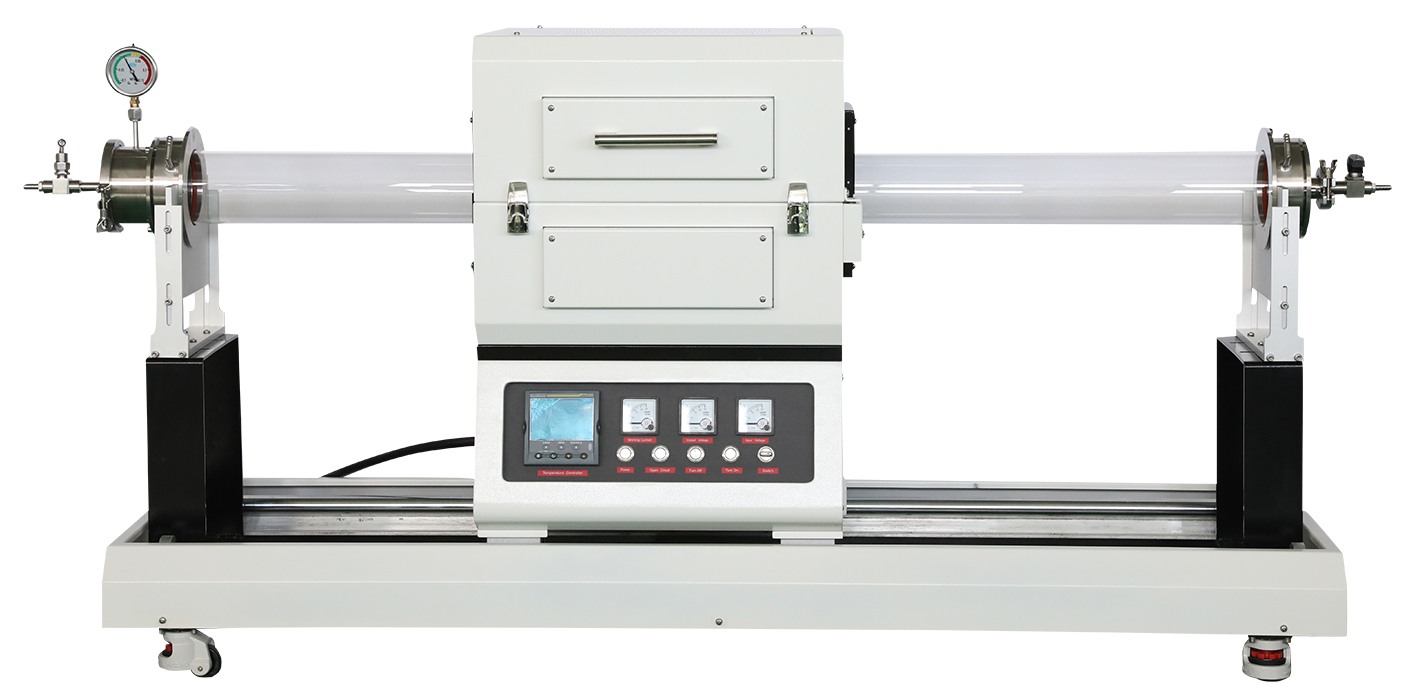
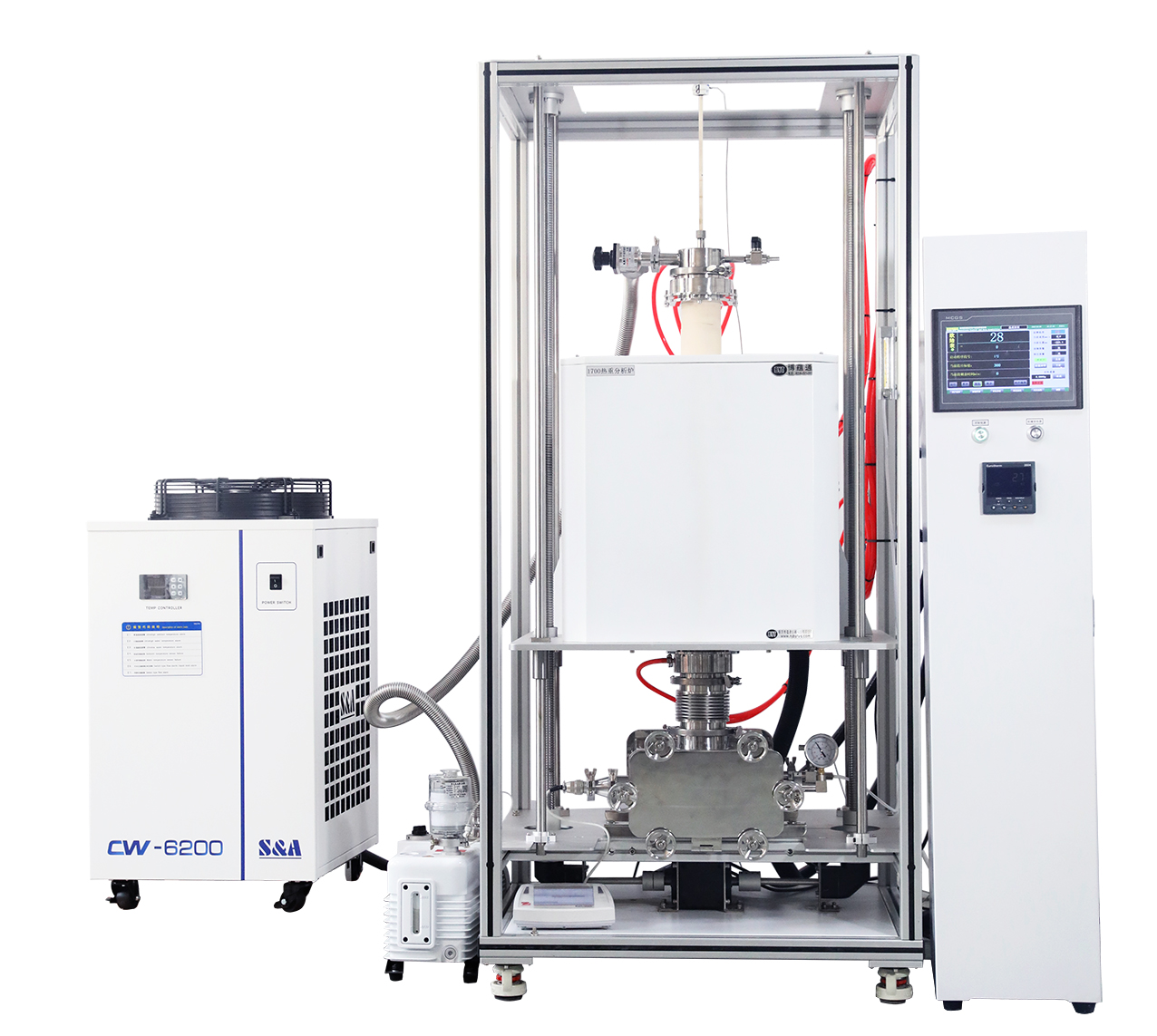
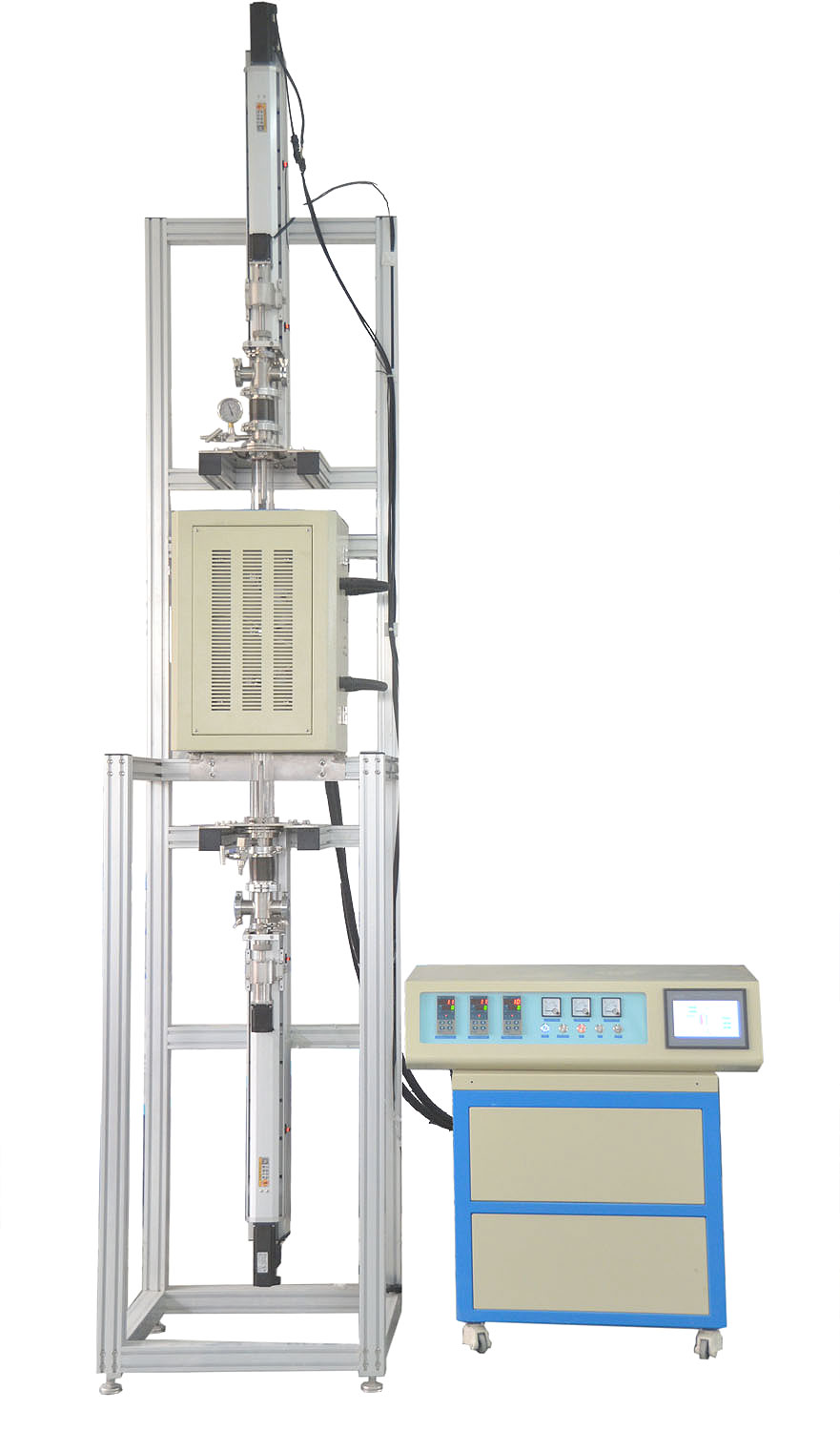
A rapid heating system is a controlled thermal platform that reaches a target temperature quickly while preserving repeatability and atmosphere control.
What a rapid-heating system must control
A rapid heating system should be specified around the sample, ramp target, atmosphere and thermal-response behavior that define whether the process is actually fast enough. Rapid heating is not only about maximum power; it is about how quickly the system reaches the working window and how stably it holds it.
That is why the first inquiry should state the target result and the heating route together. If the ramp rate, loading size or logging scope is vague, the final design can miss the real requirements for response time and repeatability.
How to turn a rapid-heating plan into an RFQ
A useful RFQ should include the material system, target temperature, ramp rate, atmosphere, sample size, power and any sensors or logs needed during heating. If the project needs repeated cycling, controlled hold time or post-heating inspection, those details should be written into the first request.
The acceptance result should also be clear: response time, overshoot, repeatability, atmosphere stability or another defined research outcome. Those criteria keep the configuration tied to the actual rapid-heating task instead of a generic furnace size.
Key facts
- ✓Ramp rate and sample size should be quoted together.
- ✓Atmosphere and power affect the usable heating window.
- ✓Logging and thermal-response targets belong in the first inquiry.
- ✓Acceptance criteria should name the response result, not only the temperature.
- ✓Rapid heating is a controlled process, not just a fast power increase.
How to approach the process
- 01
Define the material system, target temperature and ramp rate.
- 02
Set the atmosphere, sample size and hold-time needs.
- 03
Specify power, logging and thermal-response requirements.
- 04
Confirm overshoot, repeatability and cooling expectations.
- 05
Request a configuration matched to the validation plan.
What to specify before comparing equipment
State the heating speed and target window so the system can be sized correctly.
Describe sample size and loading route because they influence response time and uniformity.
List vacuum, inert gas or protected-atmosphere needs along with the available power.
Specify temperature logging and response metrics because they define whether the system meets the task.
Name the response, overshoot and repeatability targets to judge the final system.
Useful inputs for a technical inquiry
A clear first inquiry does not require a final specification. It should establish the material, process target and operating constraints so the equipment scope can be reviewed against the application.
- ✓Material system, target temperature and ramp rate
- ✓Atmosphere, sample size and hold-time needs
- ✓Power, logging and thermal-response requirements
- ✓Overshoot, repeatability and cooling expectations
- ✓Process result and validation criteria
Frequently asked questions
What should I define first for a rapid-heating system?
Start with the material system, target temperature, ramp rate and atmosphere.
Why does overshoot matter?
Because a rapid system only works if it reaches the target quickly without losing control.
Should logging be included in the inquiry?
Yes. Response-time and repeatability data should be part of the first request.