In one sentence
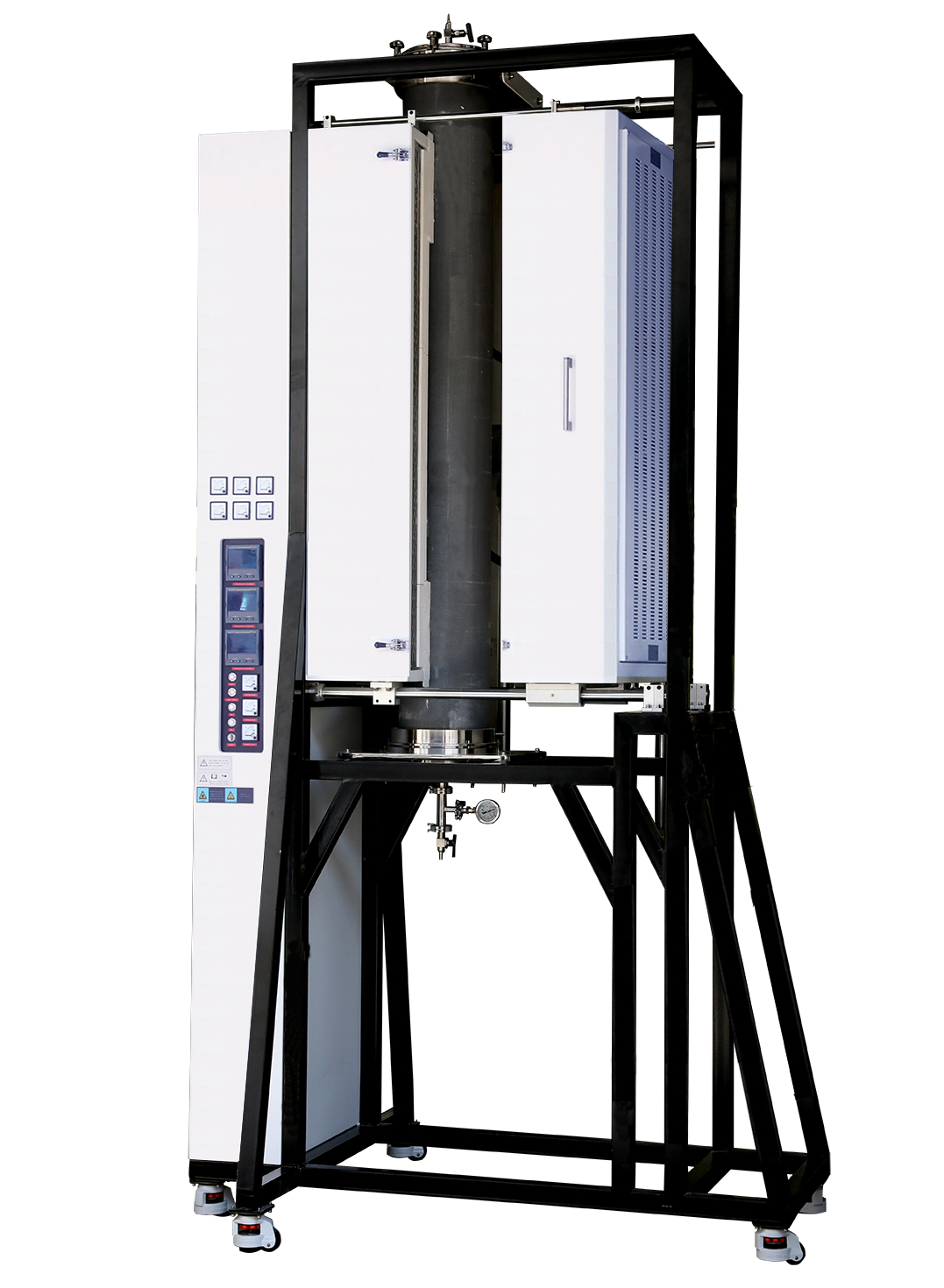
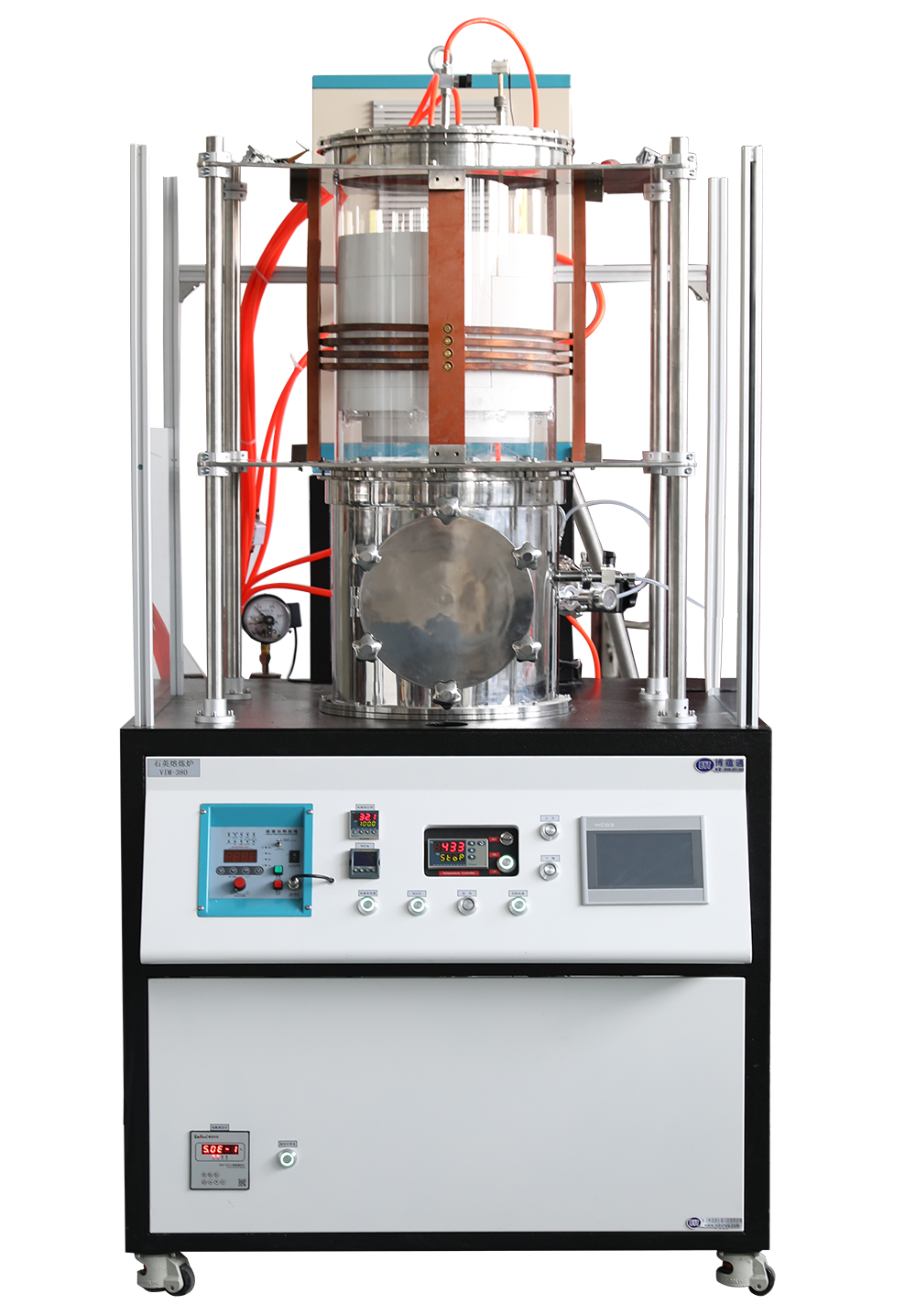
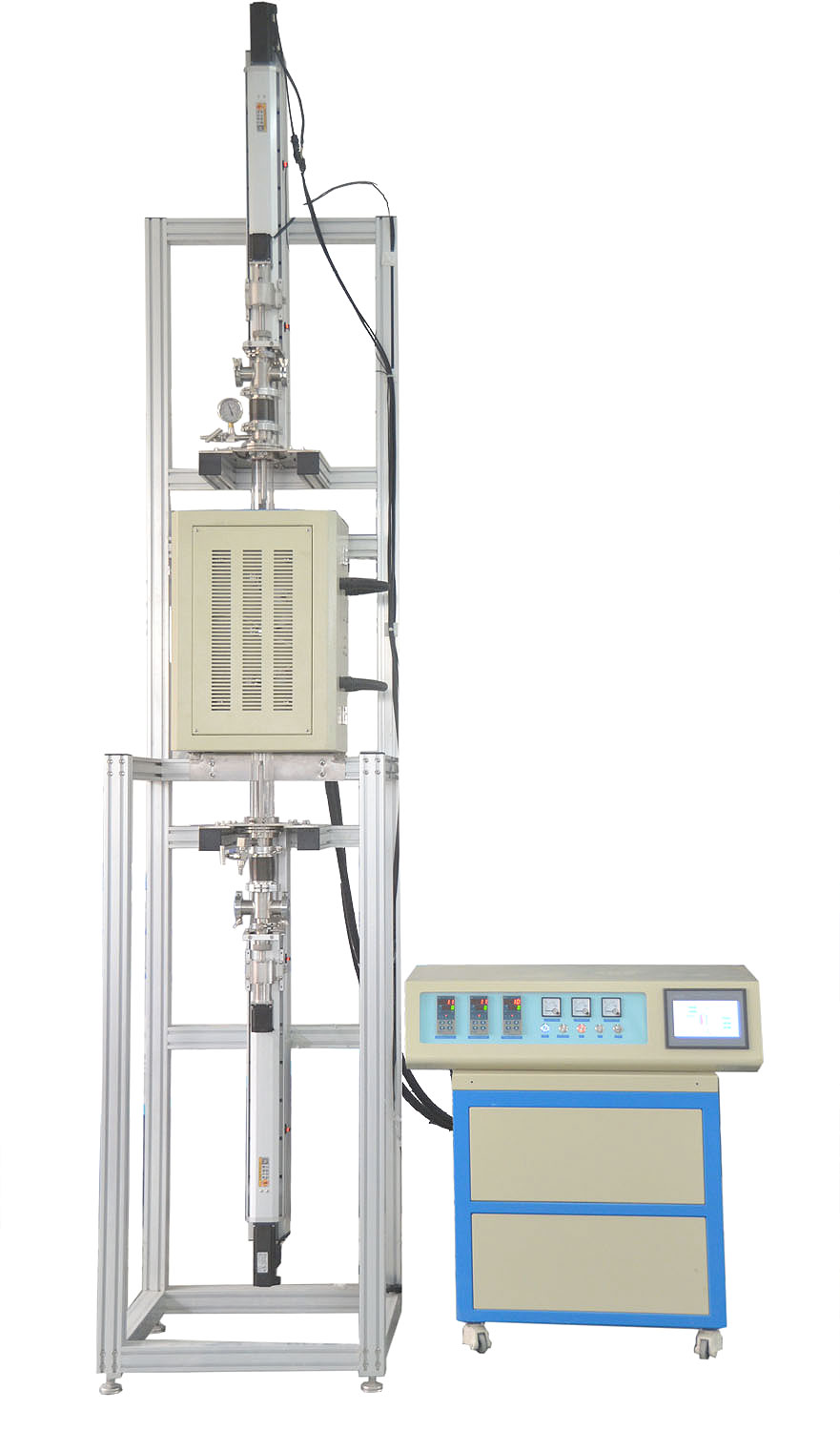
A silicon carbide wafer growth system is a controlled crystal-growth platform for growing SiC wafers under a defined thermal field, atmosphere and motion route.
What a SiC wafer system must control
A silicon carbide wafer growth system should be specified around the material, wafer size, seed or charge strategy and thermal field that keep the crystal interface stable. The process is sensitive to temperature shape, contamination control and the way the wafer or seed is supported while growth proceeds.
That is why the first inquiry should name the wafer target and the growth route together. If the seed, atmosphere or logging scope is vague, the design can miss the real requirements for wafer quality and repeatability.
How to turn a SiC plan into an RFQ
A useful RFQ should include the material composition, wafer diameter, target thickness or crystal form, temperature range, gradient target, atmosphere, motion profile and the sensors or logs needed during growth. If the project uses a protected atmosphere, translation route or post-growth inspection, those details should be written into the first request.
The acceptance result should also be clear: wafer quality, interface stability, repeatability, yield or another defined research outcome. Those criteria keep the configuration tied to the actual SiC growth task instead of a generic heating system.
Key facts
- ✓SiC wafer growth depends on seed handling and thermal gradient.
- ✓Wafer geometry and atmosphere should be quoted together.
- ✓Monitoring and growth logs belong in the first inquiry.
- ✓Acceptance criteria should name the wafer result, not only the furnace temperature.
- ✓Contamination control is part of the real process scope.
How to approach the process
- 01
Define the material system, wafer target and growth route.
- 02
Set the gradient target, temperature range and seed strategy.
- 03
Specify atmosphere, motion profile and support hardware.
- 04
Confirm monitoring, logging and inspection requirements.
- 05
Request a configuration matched to the validation plan.
What to specify before comparing equipment
State the diameter, thickness or crystal target so the platform matches the intended wafer form.
Describe the seed or charge arrangement because it affects interface control and repeatability.
Specify zone count and gradient target because the field defines wafer quality.
List vacuum, inert gas or protected-atmosphere needs because they affect contamination control.
Name sensors, logging and the wafer property that will be used to judge the run.
Useful inputs for a technical inquiry
A clear first inquiry does not require a final specification. It should establish the material, process target and operating constraints so the equipment scope can be reviewed against the application.
- ✓Material system, wafer diameter and growth route
- ✓Seed or charge arrangement and crystal target
- ✓Temperature range, gradient target and atmosphere
- ✓Motion profile, monitoring and logging requirements
- ✓Wafer quality, yield and validation criteria
Frequently asked questions
What should I define first for a SiC wafer system?
Start with the material system, wafer target, seed strategy and growth route.
Why is contamination control so important?
Because SiC wafer quality is sensitive to atmosphere, handling and thermal stability.
Should monitoring be included in the first inquiry?
Yes. Sensors and logs can change the system scope and should be discussed early.