In one sentence
A thermogravimetric analysis furnace heats a sample while recording mass change and thermal response under a defined atmosphere and test program.
What a TGA furnace must control
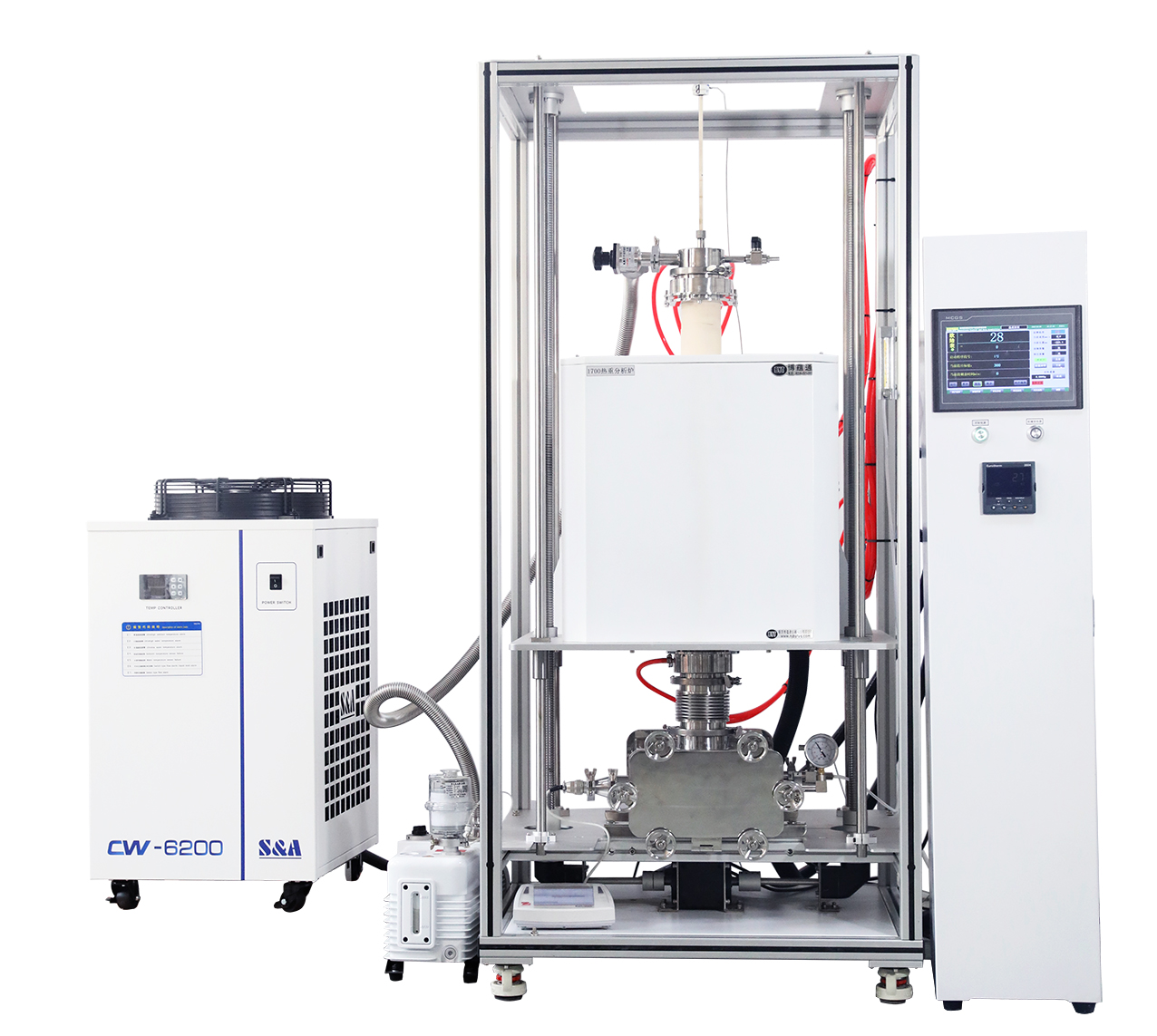
A thermogravimetric analysis furnace should be specified around the sample, temperature program, atmosphere and measurement chain that produce reliable mass-change data. The furnace is not just a heater; it is a controlled measurement environment where sample load, balance integration and data capture all matter.
That is why the first inquiry should name the sample and the test goal together. If the loading route, balance interface or output format is vague, the system can miss the real requirements for calibration and traceable data.
How to turn a TGA plan into an RFQ
A useful RFQ should include sample mass, crucible or holder choice, temperature range, heating rate, atmosphere, balance integration and the data outputs required for reporting. If the project uses a protected atmosphere, rapid quench or repeat test sequence, those details should be written into the first request.
The acceptance result should also be clear: mass-change resolution, repeatability, baseline stability, temperature accuracy or another defined research outcome. Those criteria keep the configuration tied to the actual analysis task instead of a generic furnace shell.
Key facts
- ✓Sample mass and heating rate should be quoted together.
- ✓Atmosphere and balance integration affect the instrument scope.
- ✓Data output and calibration belong in the first inquiry.
- ✓Acceptance criteria should name the data quality, not only the temperature.
- ✓TGA systems are measurement platforms as much as furnaces.
How to approach the process
- 01
Define the sample, test objective and temperature program.
- 02
Set the atmosphere, heating rate and measurement range.
- 03
Specify balance, holder and data-output requirements.
- 04
Confirm calibration, logging and repeatability needs.
- 05
Request a configuration matched to the validation plan.
What to specify before comparing equipment
State the sample mass and crucible or holder choice so the measurement chain matches the test.
Describe ramp rate and temperature range because those define the test window.
List vacuum, inert gas or protected-atmosphere needs because they affect the measurement result.
Specify the balance interface and output format because the system is only useful if the data can be read and trusted.
Name calibration and repeatability targets so the system can be judged as a measurement platform.
Useful inputs for a technical inquiry
A clear first inquiry does not require a final specification. It should establish the material, process target and operating constraints so the equipment scope can be reviewed against the application.
- ✓Sample type, mass and test objective
- ✓Temperature range, ramp rate and atmosphere
- ✓Holder choice, balance integration and output format
- ✓Calibration, logging and repeatability requirements
- ✓Mass-change resolution and validation criteria
Frequently asked questions
What should I define first for a TGA furnace?
Start with the sample mass, test objective, atmosphere and temperature program.
Why does balance integration matter?
Because the furnace is part of a measurement chain, not only a heating chamber.
Should calibration be included in the inquiry?
Yes. Calibration and repeatability targets affect the full instrument scope.