In one sentence
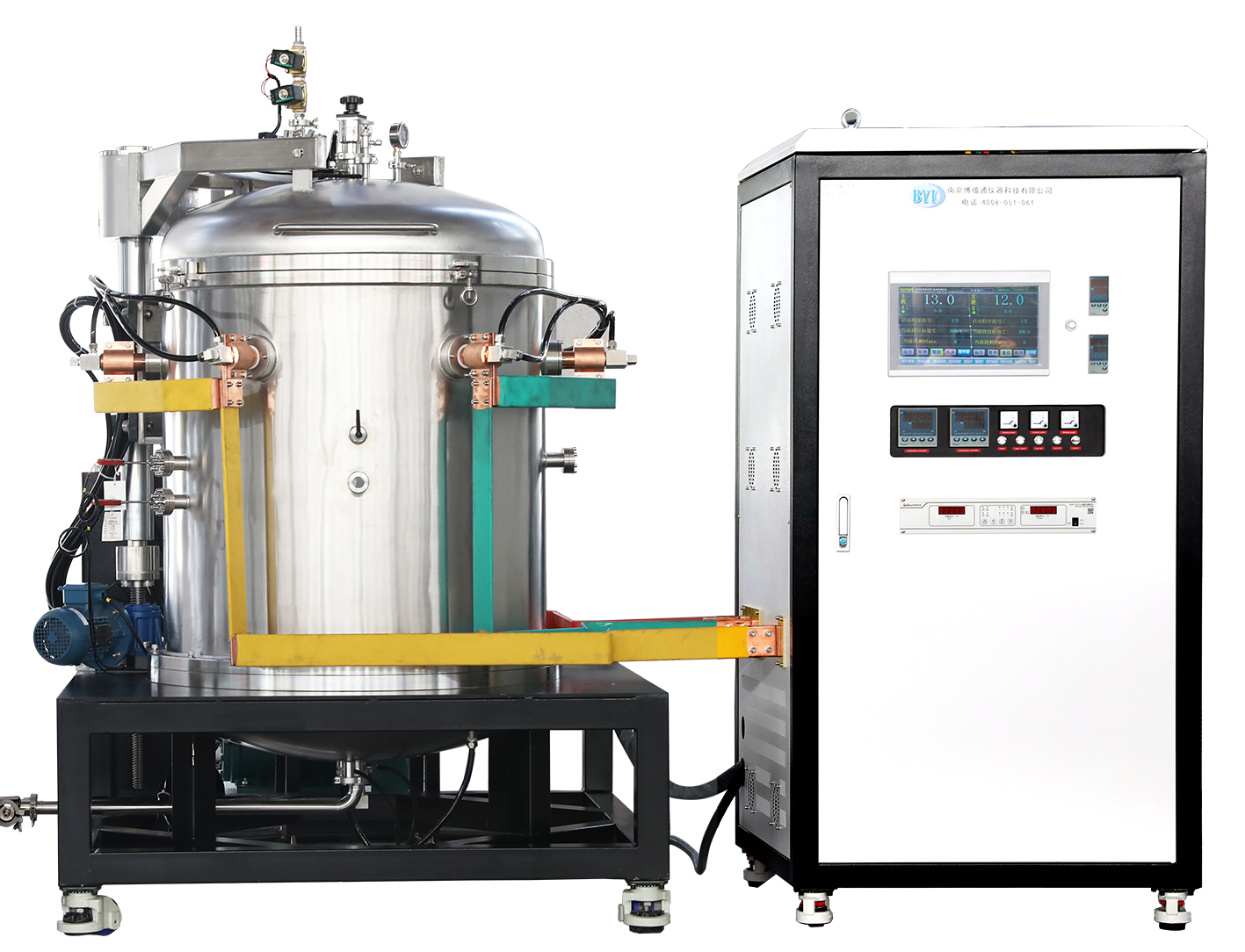
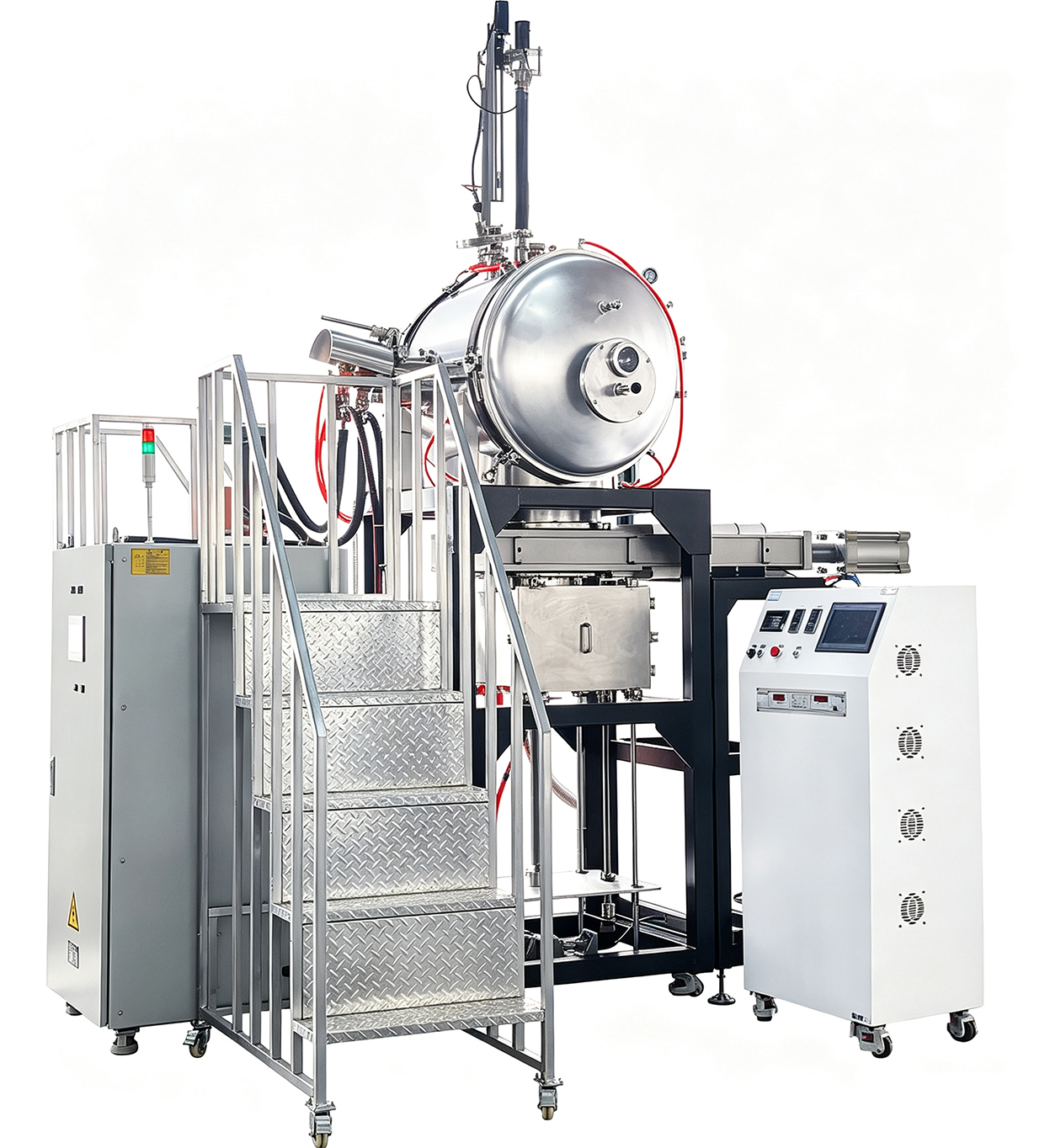
A vacuum furnace heats materials in a reduced-pressure environment to limit oxidation, contamination or unwanted reactions during thermal processing.
Key facts
- ✓Vacuum furnaces cover sintering, melting, brazing, purification and heat treatment.
- ✓Temperature, chamber size, vacuum level and atmosphere should be specified together.
- ✓Hot-zone and heating-element choice affects the usable process window.
- ✓The final quotation should identify pumps, gas systems, controls, tooling and utilities.
How to approach the process
- 01
Define the material and intended process.
- 02
Set the temperature and working-zone requirements.
- 03
Choose vacuum, atmosphere and cooling functions.
- 04
Confirm chamber, tooling and utility requirements.
- 05
Request drawings, technical scope and acceptance criteria.
What to specify before comparing equipment
State whether the process is sintering, melting, brazing, purification, annealing or another controlled thermal step.
Specify target temperature, working-zone dimensions, loading pattern and cycle time together rather than as separate requirements.
Identify the required vacuum range, any backfill or process gas, and whether gas handling belongs in the equipment scope.
Clarify cooling expectations, measurement points, utilities and the acceptance criteria for the final configuration.
Useful inputs for a technical inquiry
A clear first inquiry does not require a final specification. It should establish the material, process target and operating constraints so the equipment scope can be reviewed against the application.
- ✓Material, part geometry and batch weight
- ✓Target temperature, hold time and expected heating profile
- ✓Working-zone dimensions and loading arrangement
- ✓Vacuum level, gas requirements and cooling preference
- ✓Available utilities, delivery location and acceptance requirements
Frequently asked questions
What can a vacuum furnace be used for?
Vacuum furnaces can be used for sintering, melting, brazing, purification, annealing and other controlled thermal processes.
What should I include in a furnace inquiry?
Include material, part size, batch weight, target temperature, atmosphere, vacuum level, process time and expected quantity.
Can vacuum furnaces be customized?
Configuration can be discussed around chamber size, heating zone, pumping, gas supply, cooling, tooling and controls.