In one sentence
A vacuum melting furnace melts metals or alloys under reduced pressure or protective gas so oxidation, gas pickup, contamination and solidification conditions can be controlled.
What a vacuum melting furnace must control
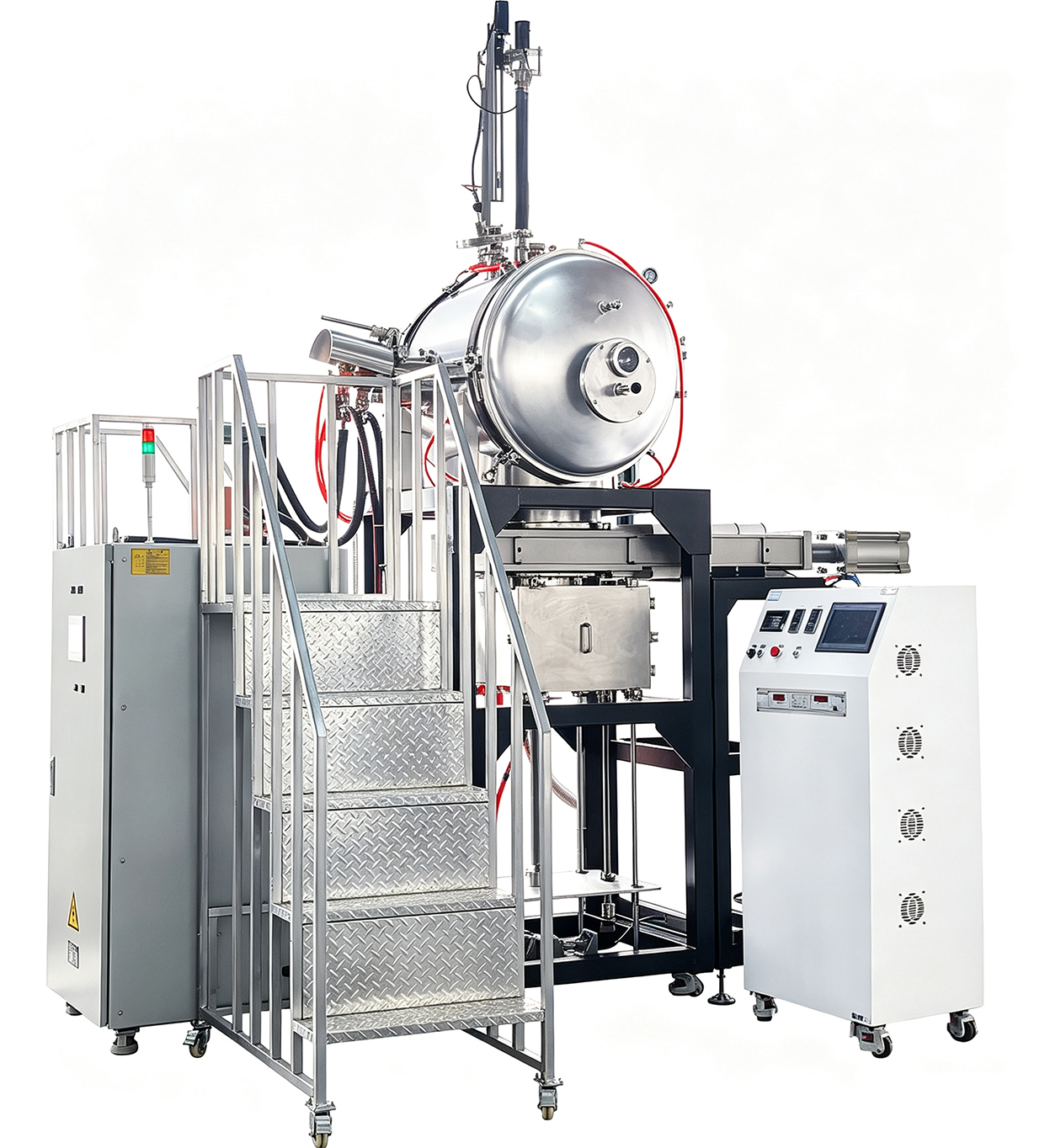
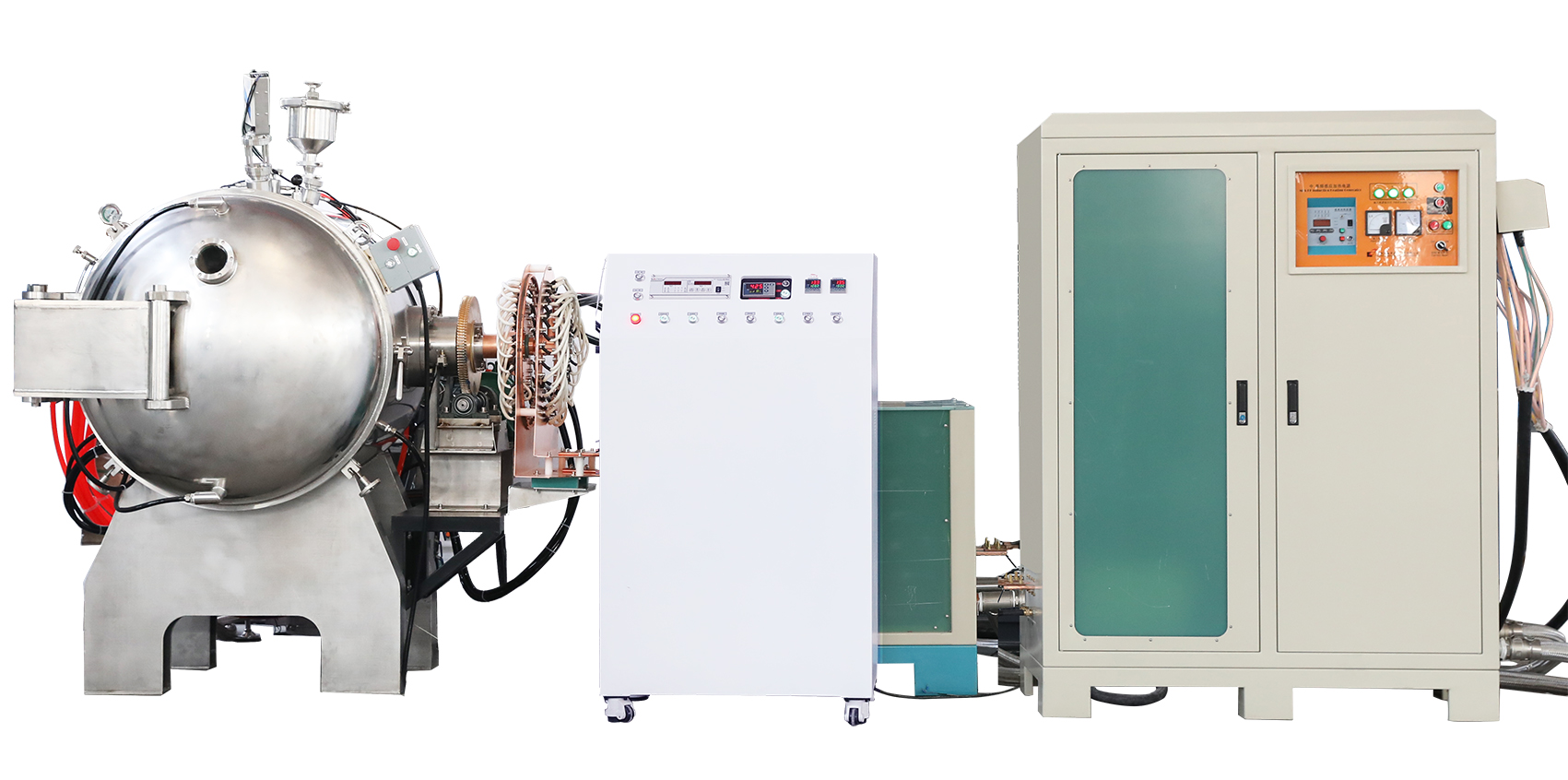
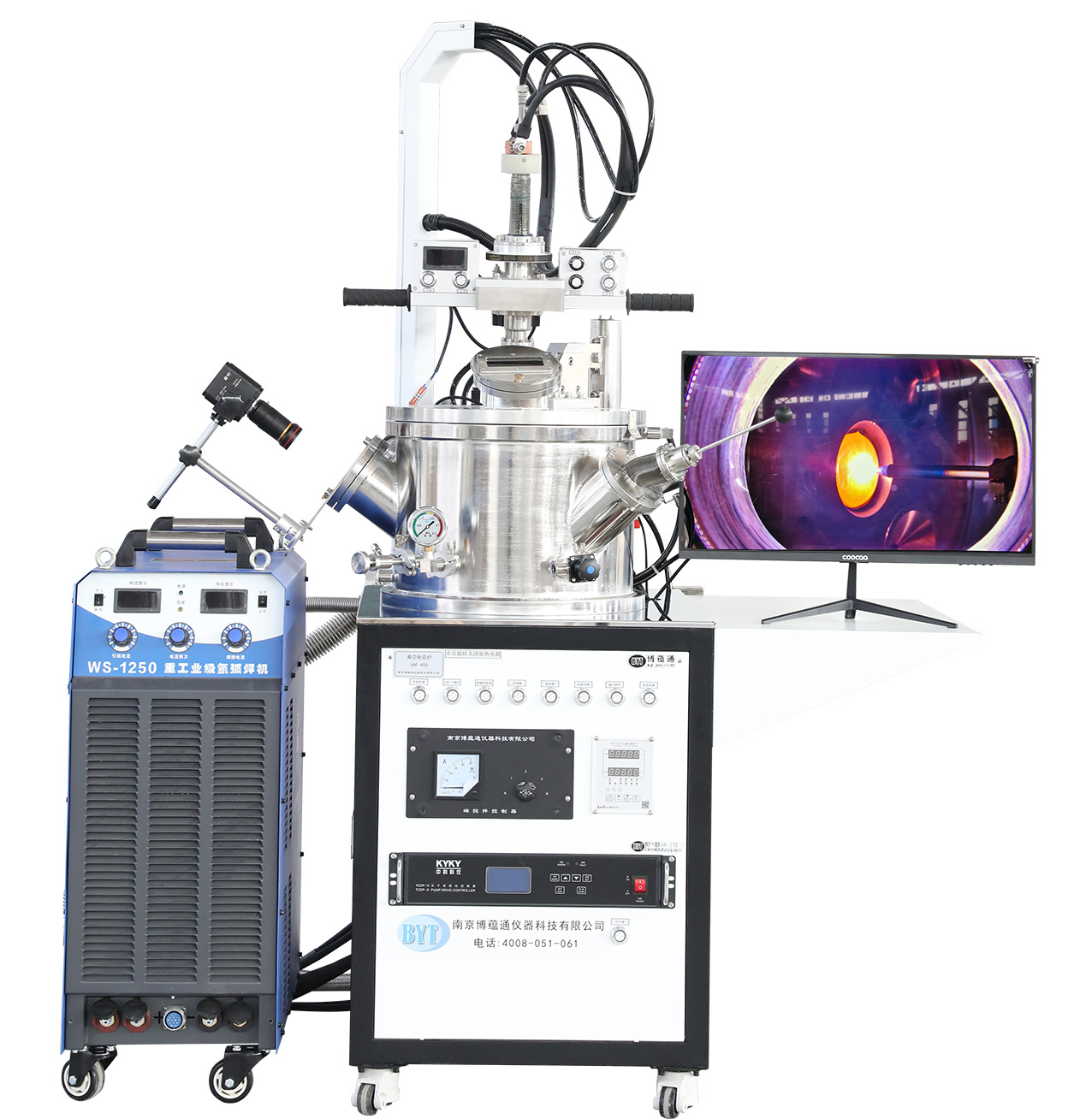
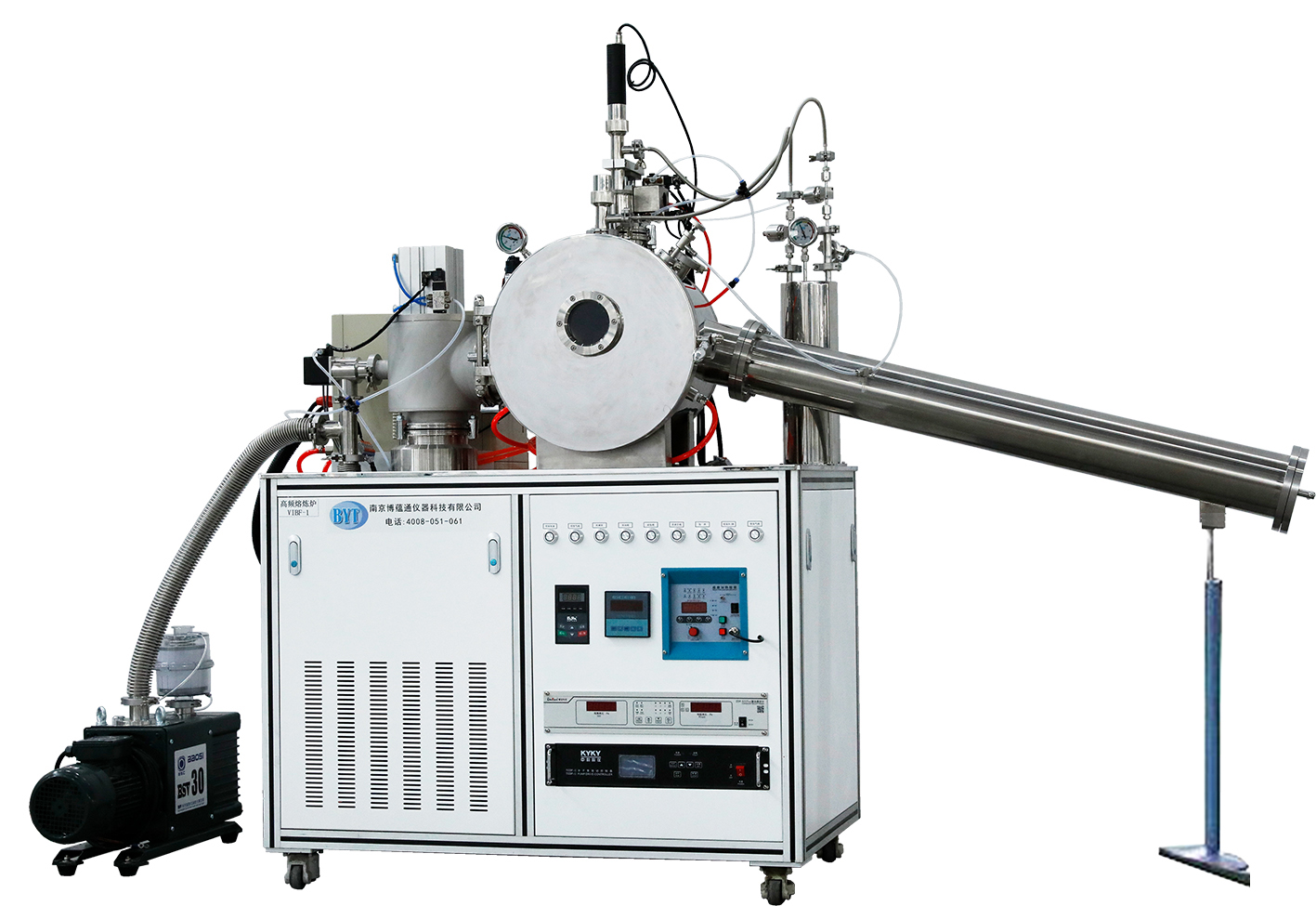
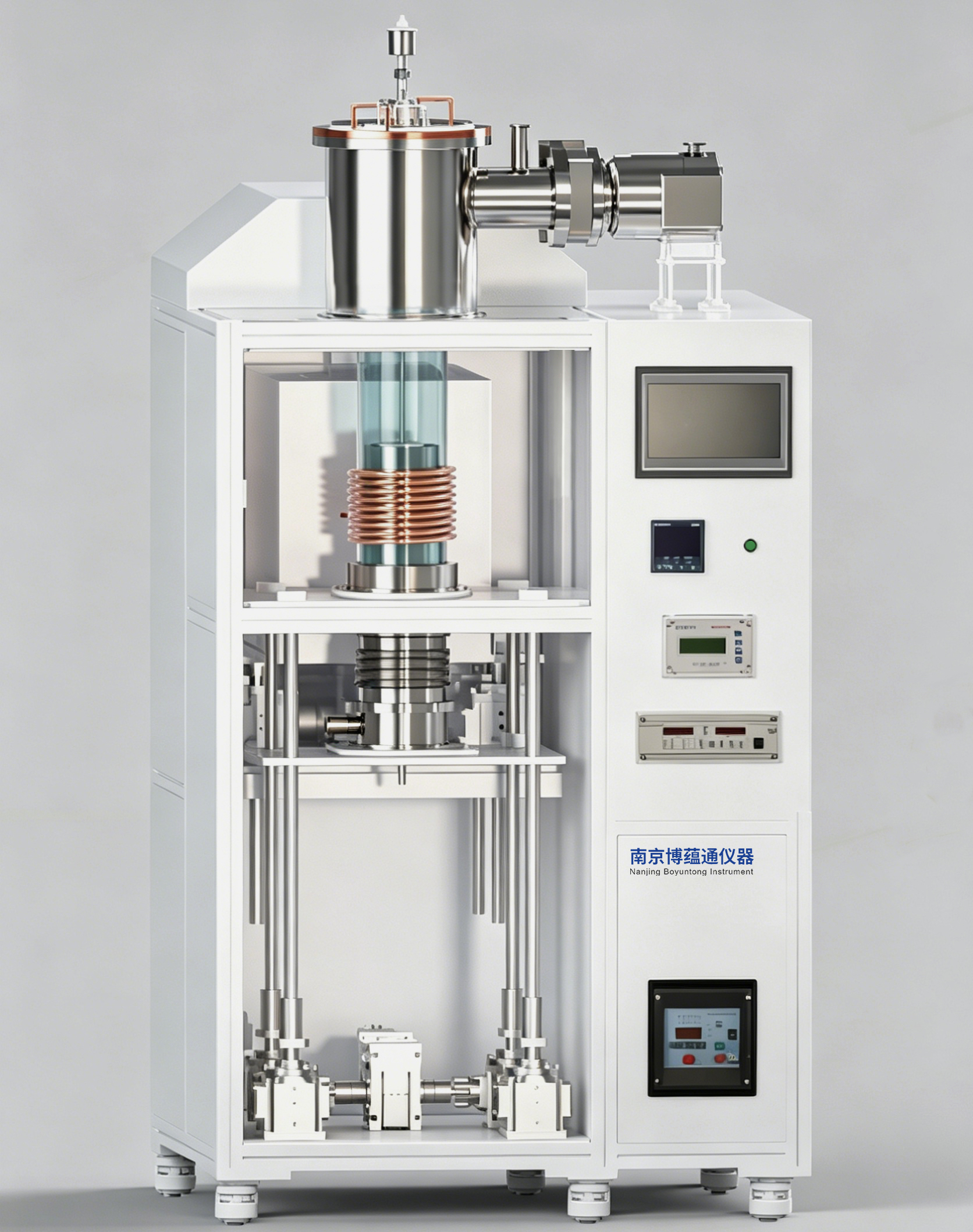
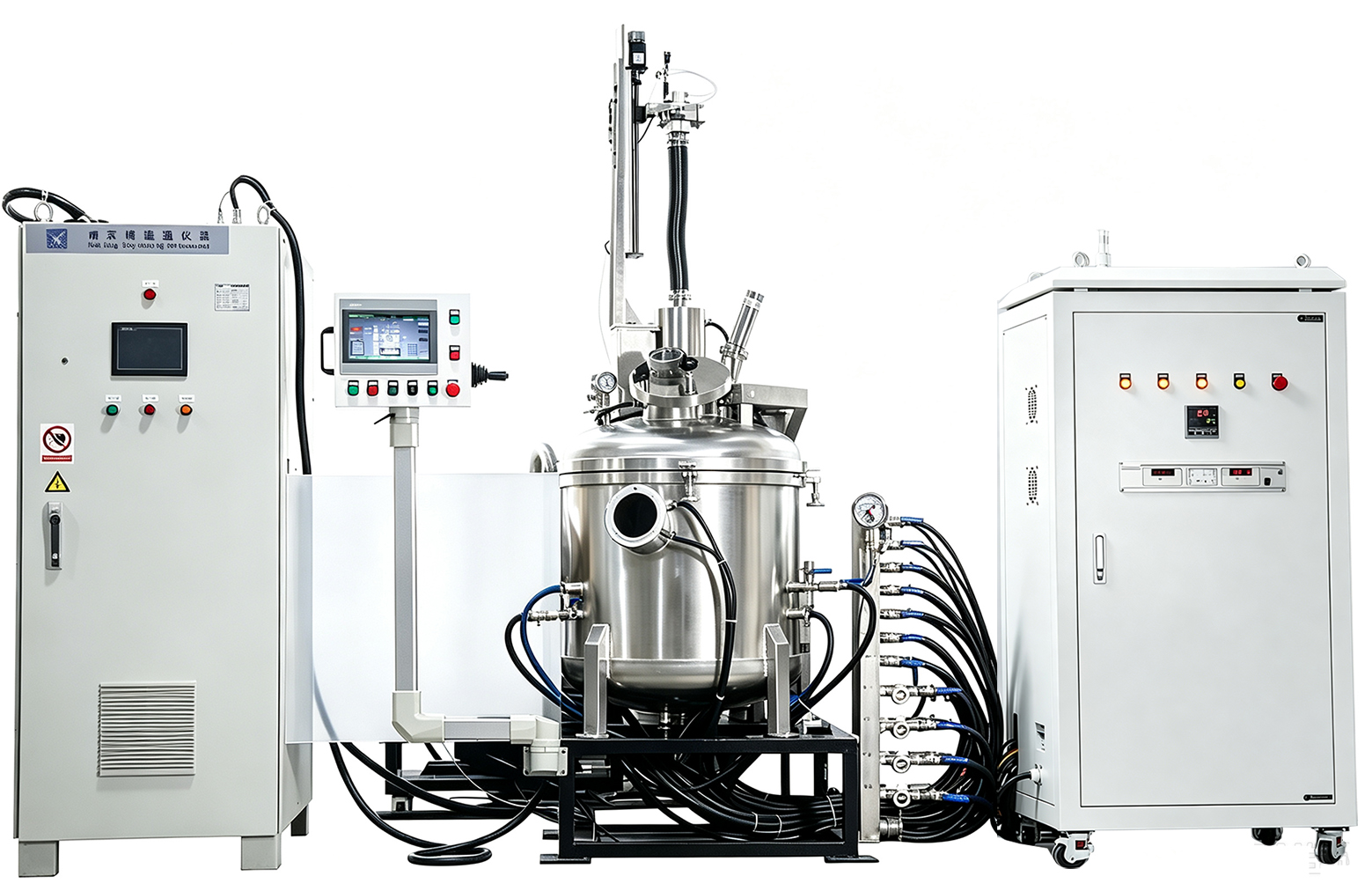
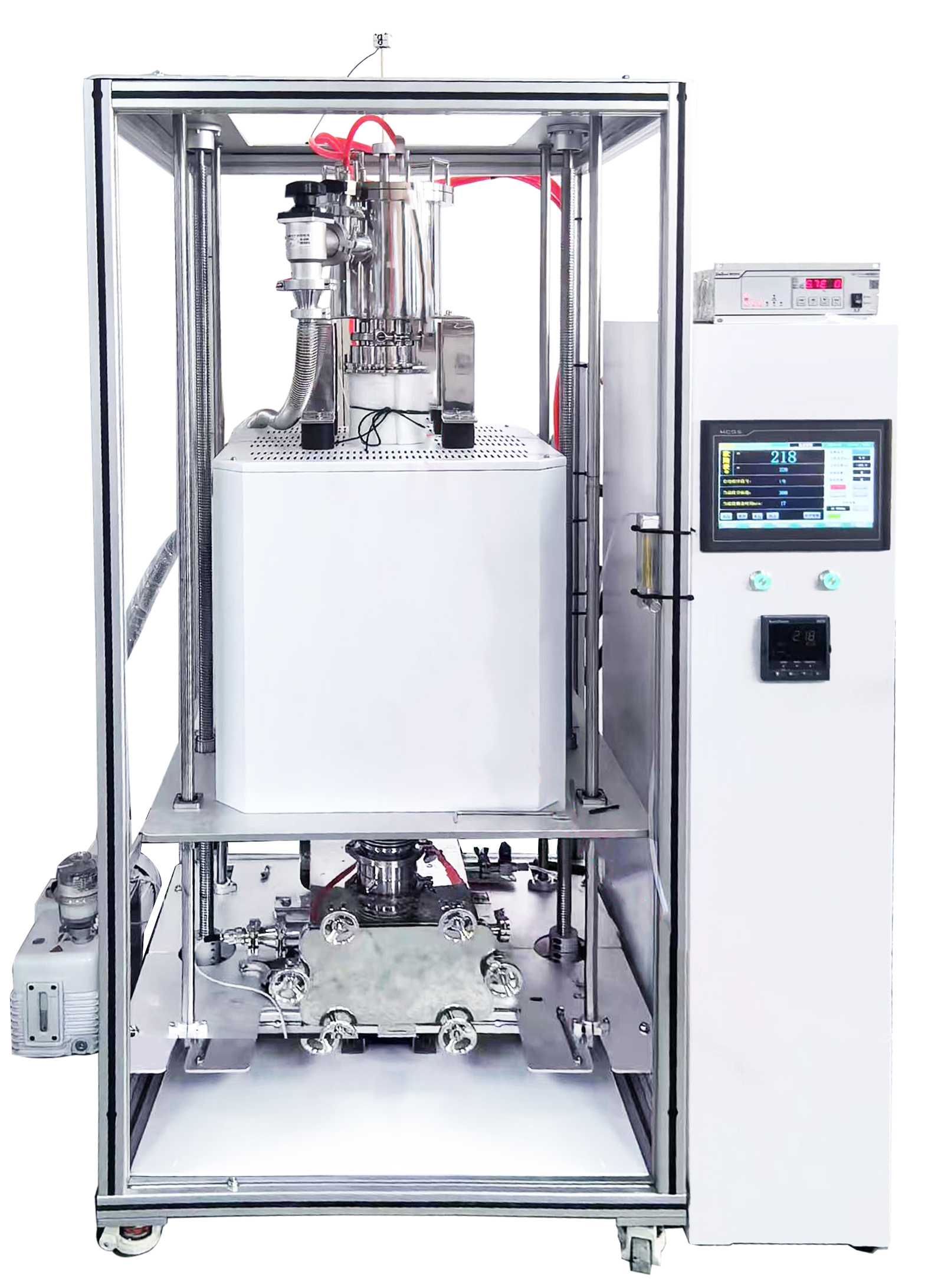
A vacuum melting furnace should be specified around the alloy, melt mass, heating method, crucible or hearth, atmosphere state and the way the melt will leave the hot zone. Induction melting, arc melting, levitation melting, ribbon spinning and distillation systems solve different process problems, so the equipment name alone is not enough for a useful quotation.
The most important early decision is whether the process needs bulk melting, non-contact melting, high-energy arc melting, rapid solidification, purification, collection or controlled casting. That choice affects power supply, chamber layout, cooling water, observation, mold handling and acceptance testing.
How to turn a melting process into an RFQ
A useful RFQ should include alloy or metal composition, target melt weight, temperature expectation, vacuum level, inert gas, crucible material, coil or electrode requirement, cooling water condition and the required output form. If the process needs slag handling, purification, distillation, ribbon collection or repeated remelting, include that in the first inquiry.
The supplier should also know what makes the run acceptable: ingot weight, composition retention, visible oxidation limit, collection yield, repeatability, logged pressure curve or a specific trial method. Those acceptance details keep the project focused on the process result rather than a generic chamber and power rating.
Key facts
- ✓Vacuum melting furnace selection starts with alloy chemistry and melt weight.
- ✓Induction, arc, levitation and ribbon-spinning systems use different heating and melt-control logic.
- ✓Vacuum level, inert gas, crucible material and cooling water should be specified together.
- ✓Casting, collection, purification and distillation requirements can change the chamber architecture.
- ✓Acceptance criteria should describe the final ingot, ribbon, purified material or repeated melt result.
How to approach the process
- 01
Define the alloy or metal, melt mass and expected output form.
- 02
Choose the melting route: induction, arc, levitation, ribbon spinning, purification or distillation.
- 03
Specify vacuum level, inert gas, crucible or hearth material and cooling water.
- 04
Describe casting, collection, observation and repeat-run requirements.
- 05
Request chamber layout, power supply, utilities, tooling and acceptance criteria together.
What to specify before comparing equipment
State composition, melting point range, target batch weight and whether the work is research, pilot or production oriented.
Choose induction, arc or levitation based on coupling behavior, contamination limits, sample geometry and energy density requirement.
Specify vacuum target, inert gas, crucible or hearth material and any oxygen or gas-pickup limits before the chamber is quoted.
Explain whether the result should be an ingot, ribbon, purified product, collected condensate or repeated remelt sample.
Include power, cooling water, gas supply, observation needs and the test method used to accept the final system.
Useful inputs for a technical inquiry
A clear first inquiry does not require a final specification. It should establish the material, process target and operating constraints so the equipment scope can be reviewed against the application.
- ✓Alloy or metal composition, melting point range and contamination limits
- ✓Melt weight, batch frequency and required output form
- ✓Vacuum level, inert gas and crucible or hearth preference
- ✓Heating route, power expectation and cooling water availability
- ✓Casting, collection, purification, observation and acceptance requirements
Process comparison
Induction melting is usually considered when the charge couples well with the coil and the buyer needs a defined melt mass.
Arc or levitation melting is considered when sample size, energy density or contamination control makes a crucible-based route less suitable.
The RFQ should define crucible material, coil, pouring, mold and cooling requirements.
The RFQ should define electrode, hearth, levitation field, observation and sample retrieval requirements.
Common outputs include ingots, small casts and repeatable alloy-preparation batches.
Common outputs include button melts, non-contact melts, refined samples or rapid validation trials.
Frequently asked questions
What should I define first for a vacuum melting furnace?
Start with alloy composition, melt weight, output form, vacuum level, inert gas and the preferred melting route.
When should I choose induction instead of arc or levitation melting?
Induction is a common path for defined melt masses and crucible-based work, while arc or levitation routes are considered when sample form, energy density or contamination limits require them.
Why does the output form matter?
Ingot casting, ribbon spinning, purification and distillation each require different chamber layout, collection hardware, tooling and acceptance criteria.