In one sentence
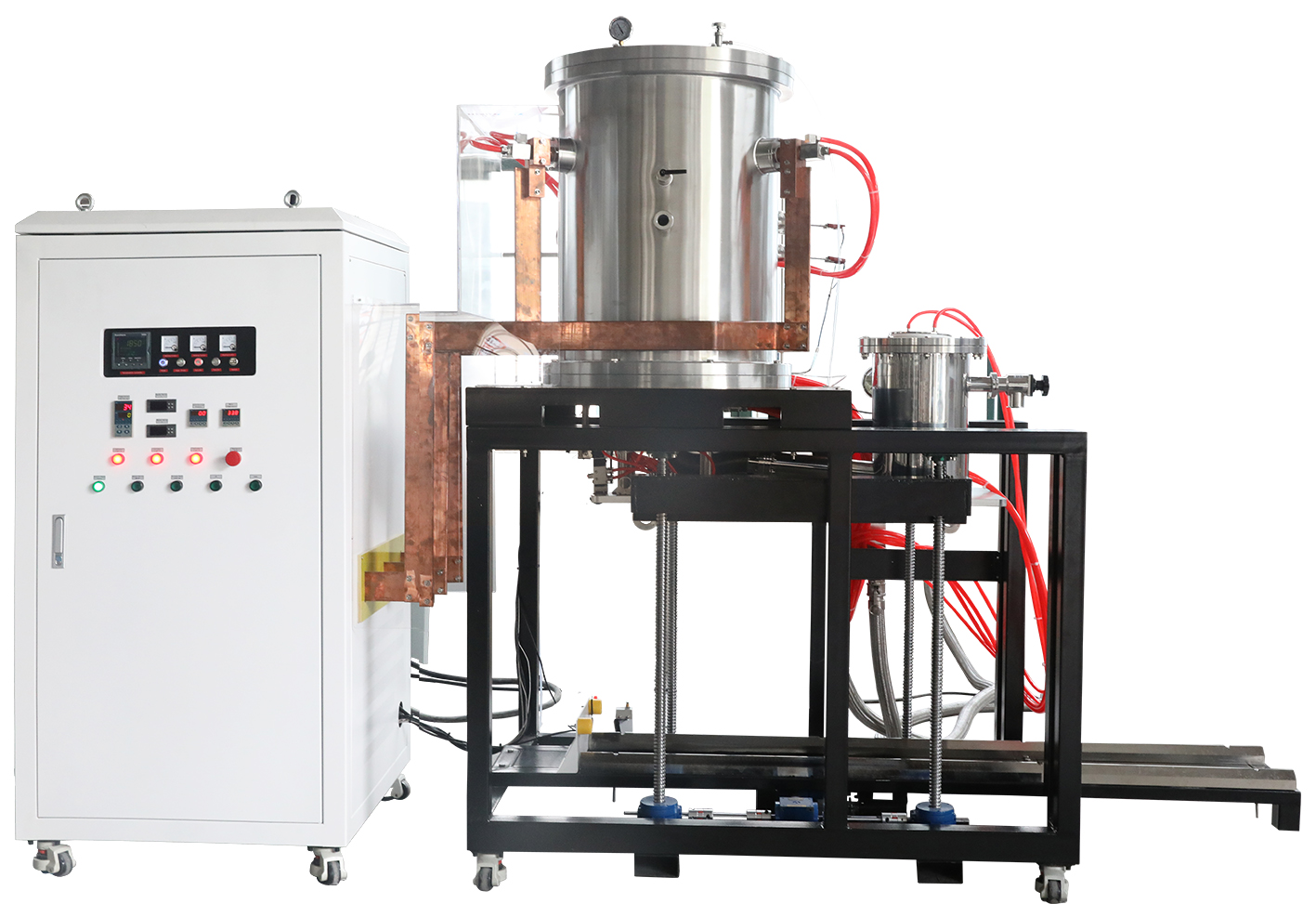
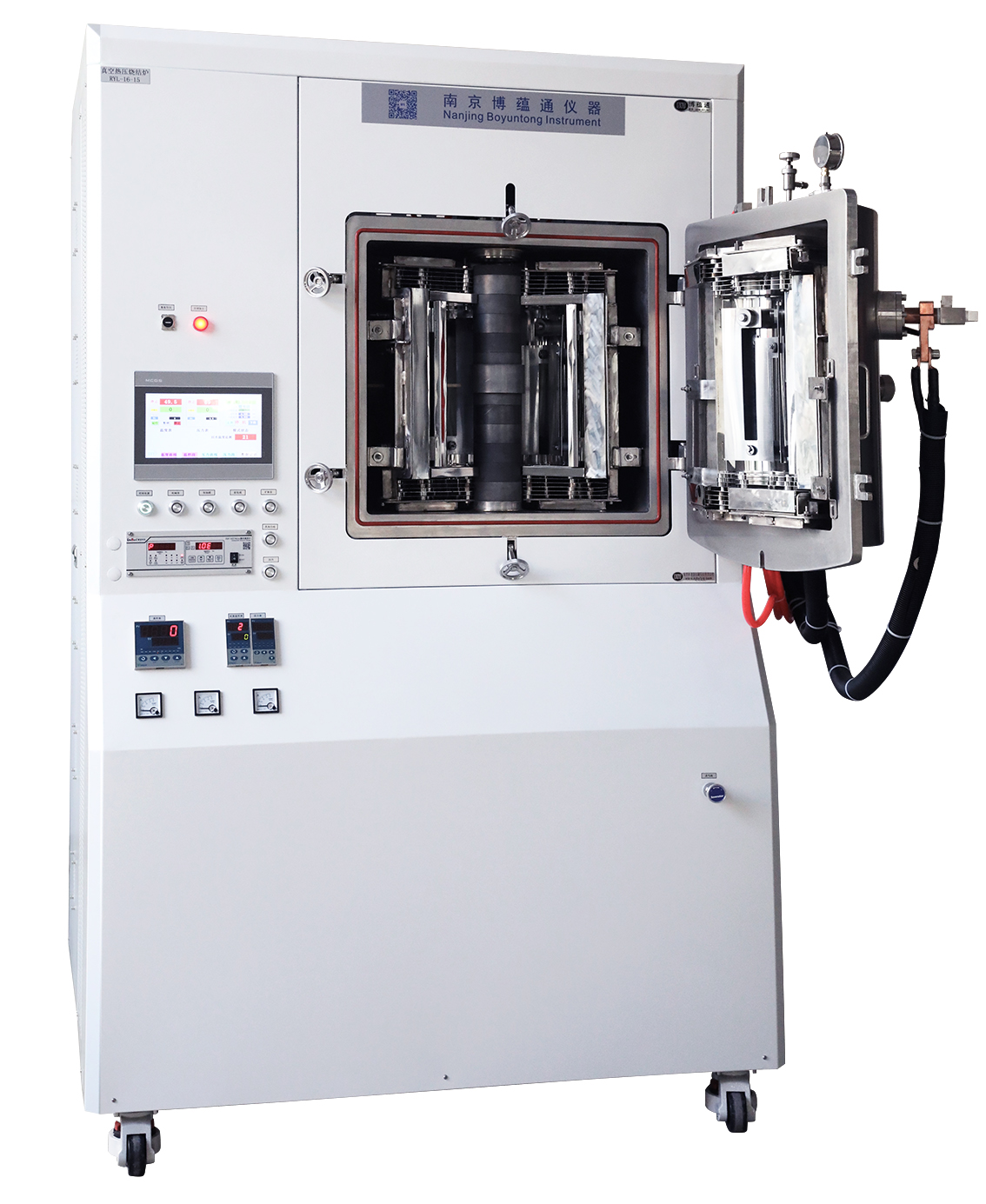
A vacuum sintering furnace densifies powder, ceramic, metal or composite parts under reduced pressure or protective gas so oxidation, contamination and process variation can be controlled.
What a vacuum sintering furnace must control
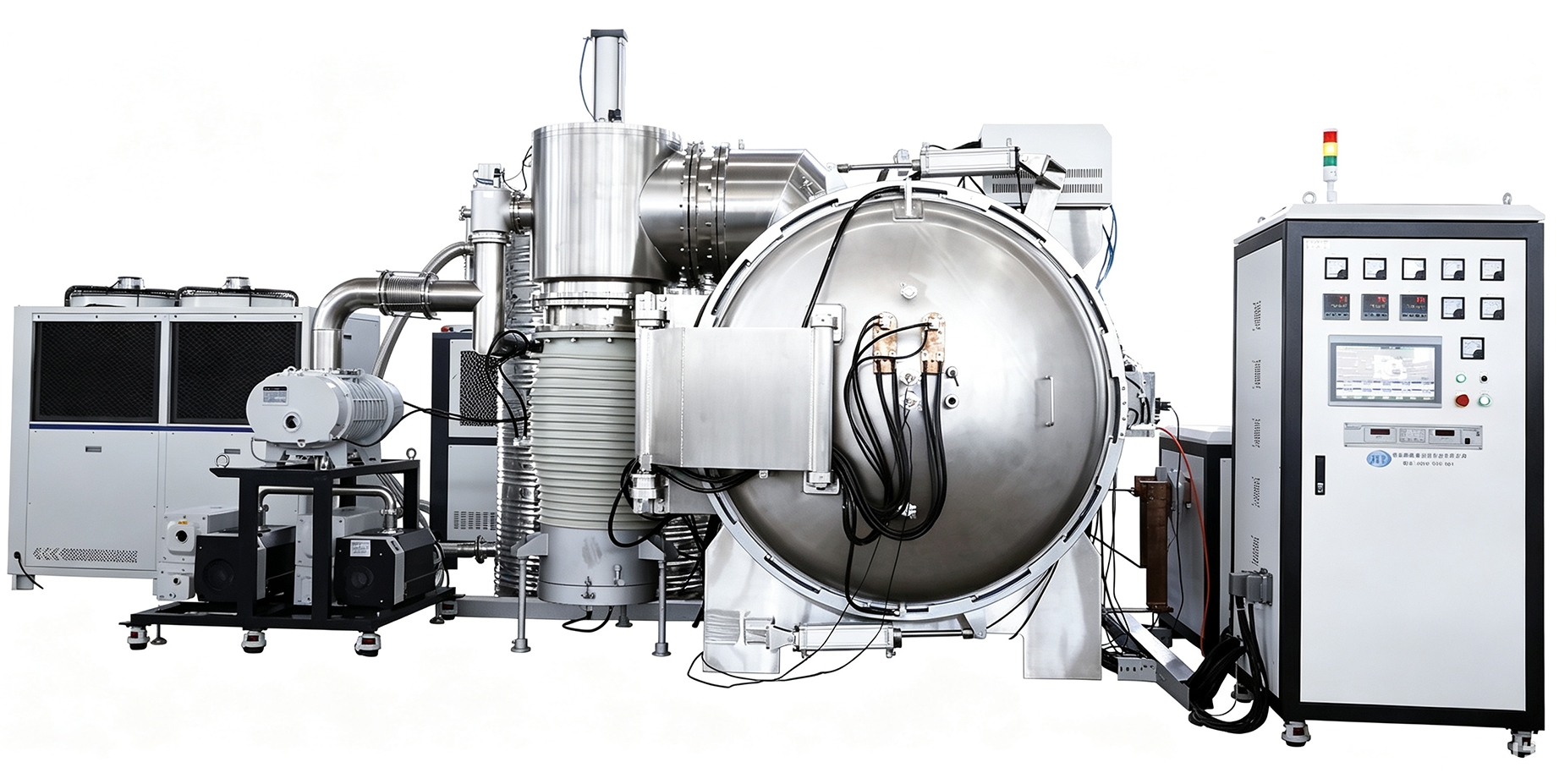
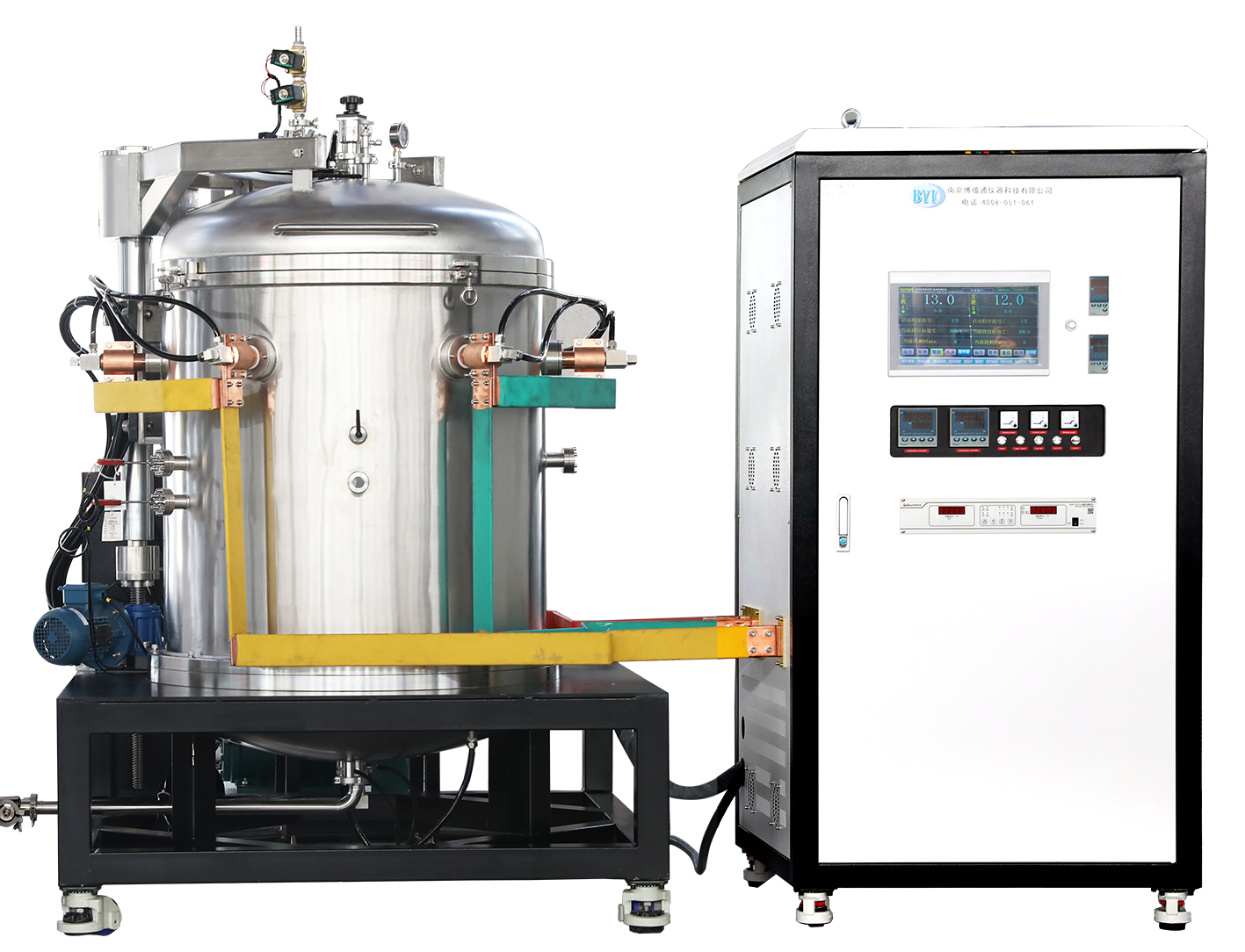
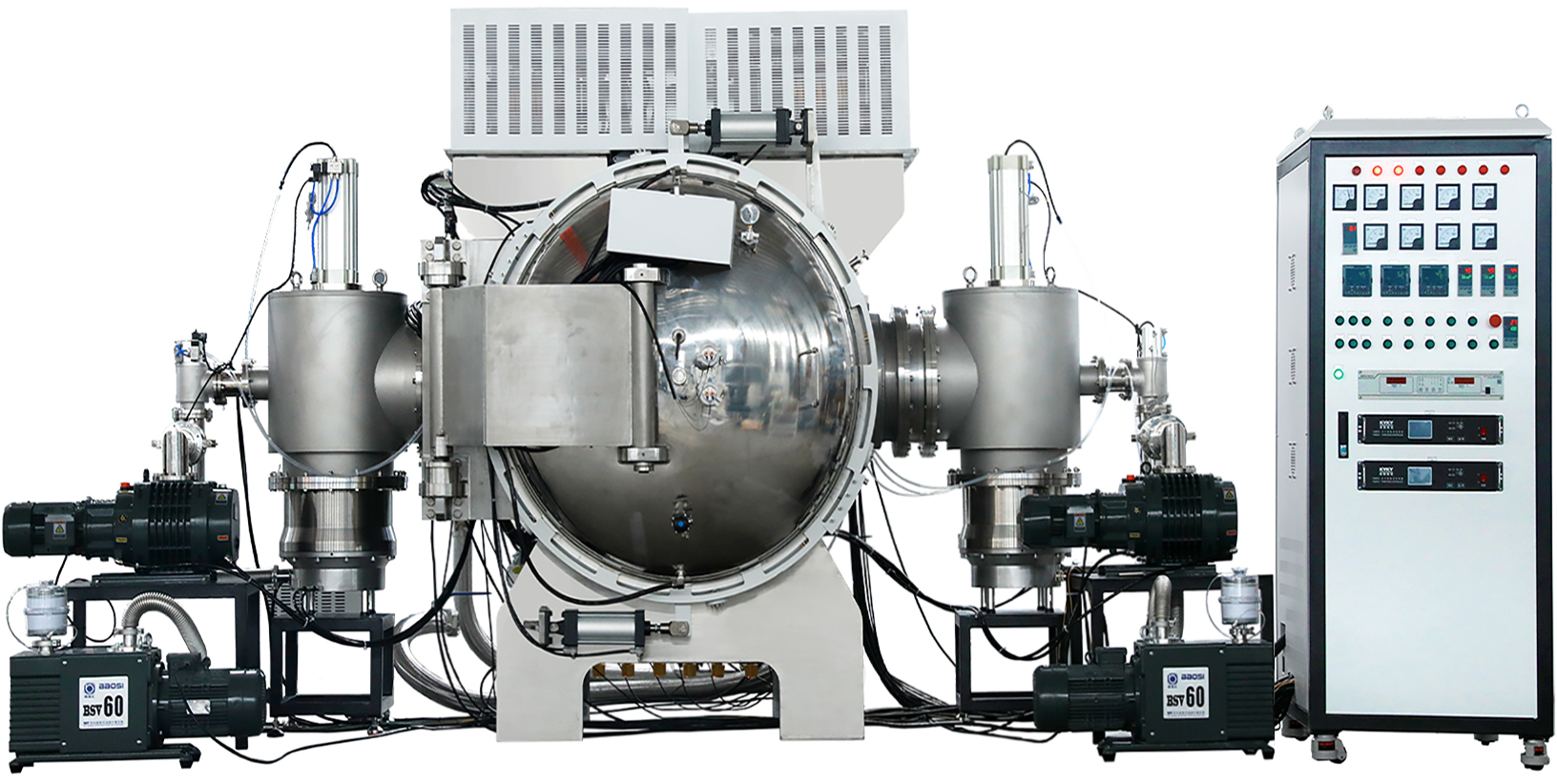
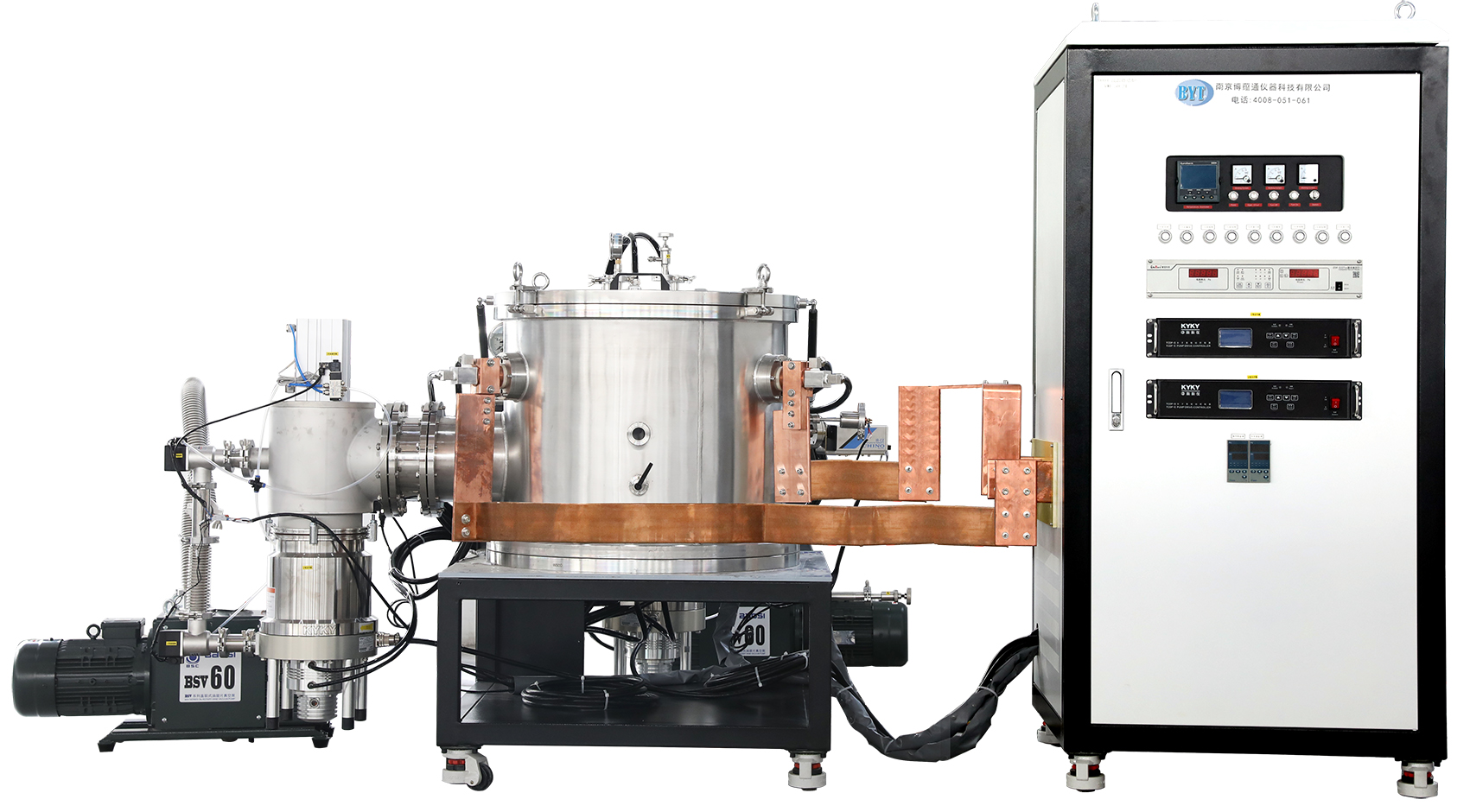
A vacuum sintering furnace should be selected around the material, thermal cycle, atmosphere and hot-zone design, not only around maximum temperature. The right equipment scope depends on whether the job involves ceramic sintering, metal powder densification, debinding, high-temperature carbon work or pressure-assisted processing.
The hot zone is especially important. Carbon tube, molybdenum wire, tungsten wire and hot-pressing systems all create different process windows, contamination risks, maintenance needs and power requirements.
How to turn a process into a quotation
A useful RFQ should include the material system, green-body or part dimensions, batch weight, target temperature, hold time, vacuum level, backfill gas and cooling expectation. If debinding or binder burnout happens in the same route, that step should be described before the sintering chamber is sized.
The supplier should also know the desired acceptance result, such as density, repeatability, visual condition, atmosphere limit or logged cycle data. Those details keep the quotation tied to the process result rather than to a generic furnace shell.
Key facts
- ✓Vacuum sintering furnace selection starts with material and process route.
- ✓Carbon, molybdenum and tungsten hot zones suit different temperature and contamination limits.
- ✓Vacuum level, gas backfill and cooling method should be quoted together.
- ✓Debinding requirements can change chamber, exhaust and safety design.
- ✓Acceptance criteria should be written before the furnace configuration is finalized.
How to approach the process
- 01
Define the material, part geometry and target sintering result.
- 02
Set peak temperature, hold time and heating profile.
- 03
Choose vacuum level, gas backfill and cooling requirements.
- 04
Match the hot-zone material to temperature and contamination limits.
- 05
Request chamber size, pump package, controls, utilities and acceptance criteria.
What to specify before comparing equipment
State ceramic, metal, composite or carbon material details because chemistry and contamination tolerance shape the hot-zone choice.
Give peak temperature, ramp rate, hold time and expected repeatability so the heating system is sized correctly.
Specify target vacuum, gas backfill and any purge sequence before the pump and gas package are quoted.
Use real part dimensions, fixtures and batch weight to define working-zone size and loading method.
Describe binder removal, exhaust needs and cooling expectations because they can change the system architecture.
Useful inputs for a technical inquiry
A clear first inquiry does not require a final specification. It should establish the material, process target and operating constraints so the equipment scope can be reviewed against the application.
- ✓Material system, binder status and target sintering result
- ✓Part geometry, fixture size and batch weight
- ✓Peak temperature, ramp rate, hold time and cycle frequency
- ✓Vacuum level, backfill gas and cooling requirement
- ✓Hot-zone preference, utility limits and acceptance criteria
Process comparison
Carbon-based hot zones suit very high-temperature vacuum work when carbon compatibility is acceptable.
Molybdenum or tungsten hot zones are chosen when material compatibility and atmosphere limits require them.
Standard vacuum sintering focuses on controlled heating, vacuum and backfill.
Hot pressing or debinding routes add force, exhaust, tooling or safety requirements.
Temperature and chamber size describe only the basic furnace envelope.
Material, atmosphere, hot zone, load and acceptance criteria define a usable quotation.
Frequently asked questions
What should I define first for a vacuum sintering furnace?
Start with the material, part geometry, target sintering result, peak temperature, vacuum level and atmosphere requirement.
Why does hot-zone material matter?
Hot-zone material affects usable temperature, contamination risk, atmosphere compatibility, maintenance and power requirements.
Can debinding and sintering use the same system?
Sometimes, but binder removal, exhaust handling and safety scope must be reviewed before combining the steps.