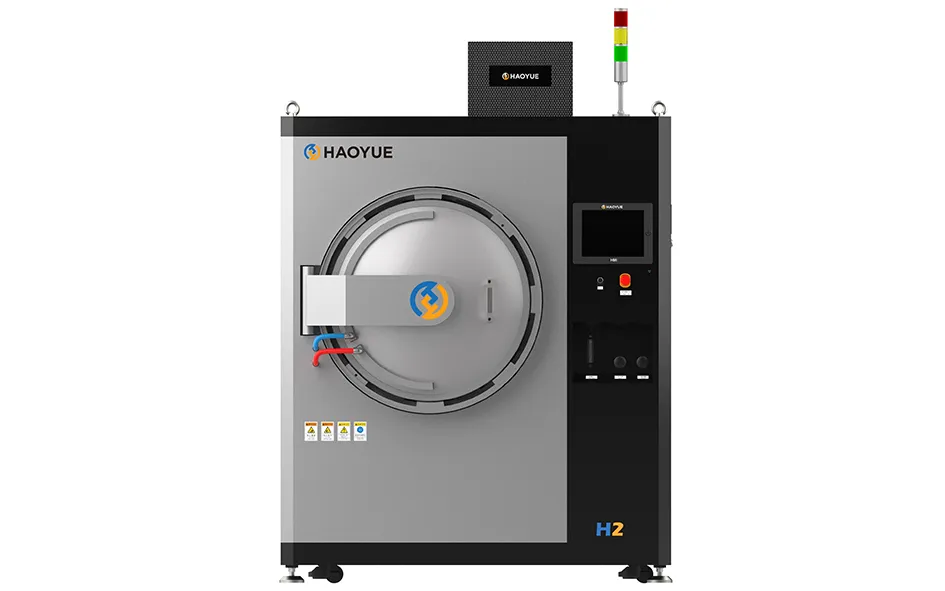
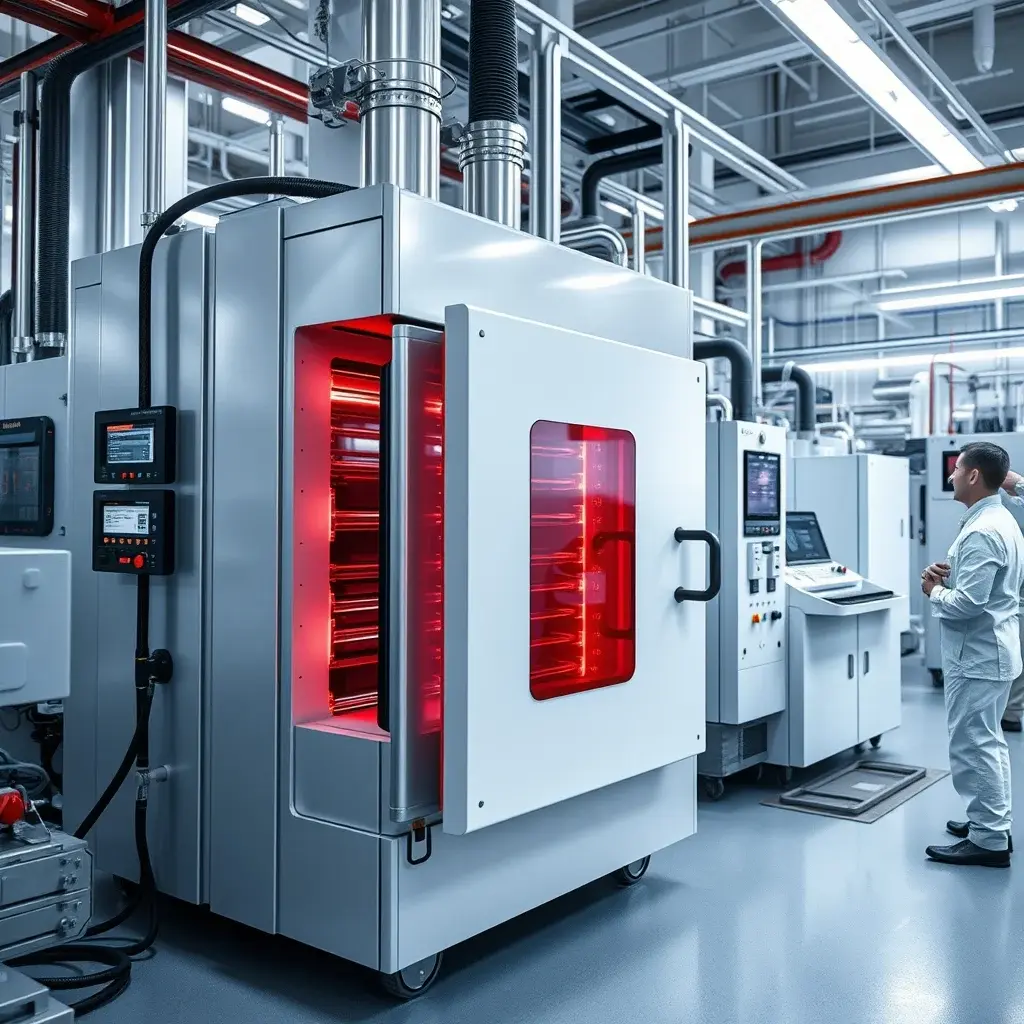
In the high-stakes world of precision manufacturing, achieving consistent part quality while managing compliance risks is a top priority. Industries like aerospace and medical devices face challenges such as oxidation and contamination during vacuum heat treatment and brazing processes. This is where carbide tool manufacturers find gas pressure sintering invaluable for enhancing product quality and efficiency.
The Role of Vacuum Brazing in Precision Manufacturing
Vacuum brazing is essential for high-precision joining, offering superior quality by eliminating oxidation. This process ensures a clean and controlled environment, crucial for parts in aerospace and medical applications where reliability is non-negotiable. By using vacuum technology, manufacturers can achieve higher consistency and reduce defects, ultimately improving yield rates.
Addressing Common Challenges
In traditional brazing, oxidation can lead to weak joints, impacting the integrity of the final product. Vacuum brazing, performed in a vacuum sintering furnace, mitigates these risks by maintaining vacuum levels as low as 10⁻⁶ mbar, ensuring the absence of contaminants. This results in stronger, cleaner joins suitable for demanding industries.
Understanding Diffusion Bonding and Its Industrial Applications
Diffusion bonding is another key process where vacuum technology shines. This method involves joining materials at a molecular level, ideal for complex geometries and dissimilar materials common in aerospace components. By maintaining precise temperature control, with variations of just ±1°C, diffusion bonding achieves unparalleled precision.
Real-World Application and Benefits
In the aerospace industry, where Nadcap compliance is crucial, diffusion bonding ensures that parts meet stringent standards. This technique reduces the need for additional fasteners or materials, streamlining production and minimizing weight, a critical factor in aerospace engineering.
Vacuum Sintering Furnace: Enhancing Powder Metallurgy
The use of a vacuum sintering furnace in powder metallurgy processes significantly enhances material properties. By applying controlled heat and pressure, manufacturers can produce components with exceptional density and mechanical strength. This is particularly advantageous in medical device manufacturing, where FDA and ISO 13485 compliance require high-quality, reliable parts.
Temperature and Pressure Control
Advanced vacuum furnaces offer precise control over temperature and pressure, essential for achieving consistent sintering results. The ability to automate cycles ensures repeatable batch consistency, reducing variation and enhancing overall product quality.
Industry Standards and Compliance
Meeting industry standards is a critical aspect of manufacturing. Vacuum technology aligns with various compliance requirements, from Nadcap and AMS in aerospace to FDA and ISO standards in the medical field. By integrating vacuum processes, manufacturers can ensure their products meet the necessary certifications, providing peace of mind to their clients.
Modern vacuum furnace technology is revolutionizing manufacturing processes by providing stability, enhancing product quality, and improving cost efficiency. With capabilities such as ±1°C temperature uniformity and vacuum levels up to 10⁻⁶ mbar, manufacturers can achieve unparalleled precision and consistency. By leveraging these advantages, companies can enhance their production capabilities, ensuring that they remain competitive in a demanding global market. Engineers can request technical datasheets or process consultations, procurement managers can seek quotations for bulk solutions, and quality teams can inquire about compliance validation and certification support.