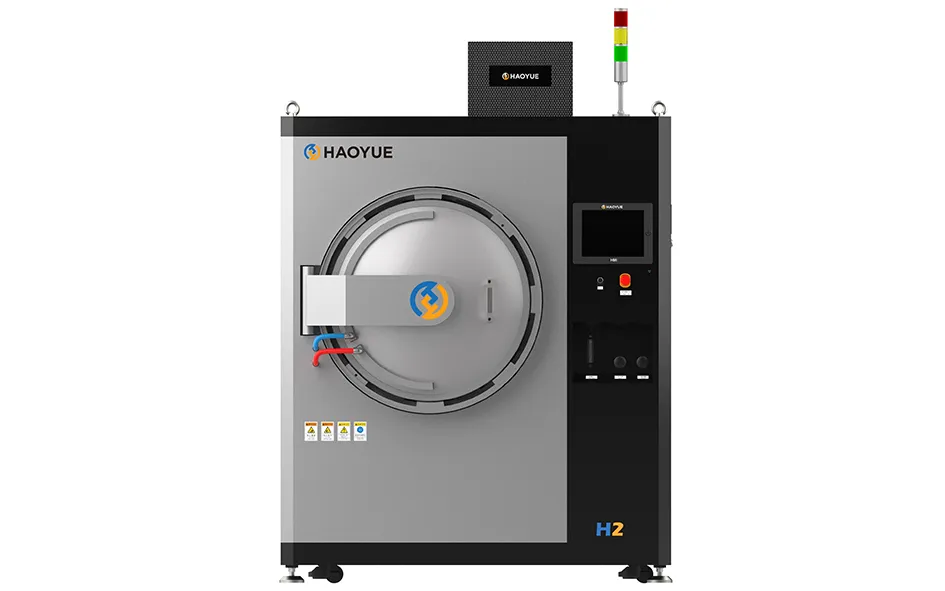
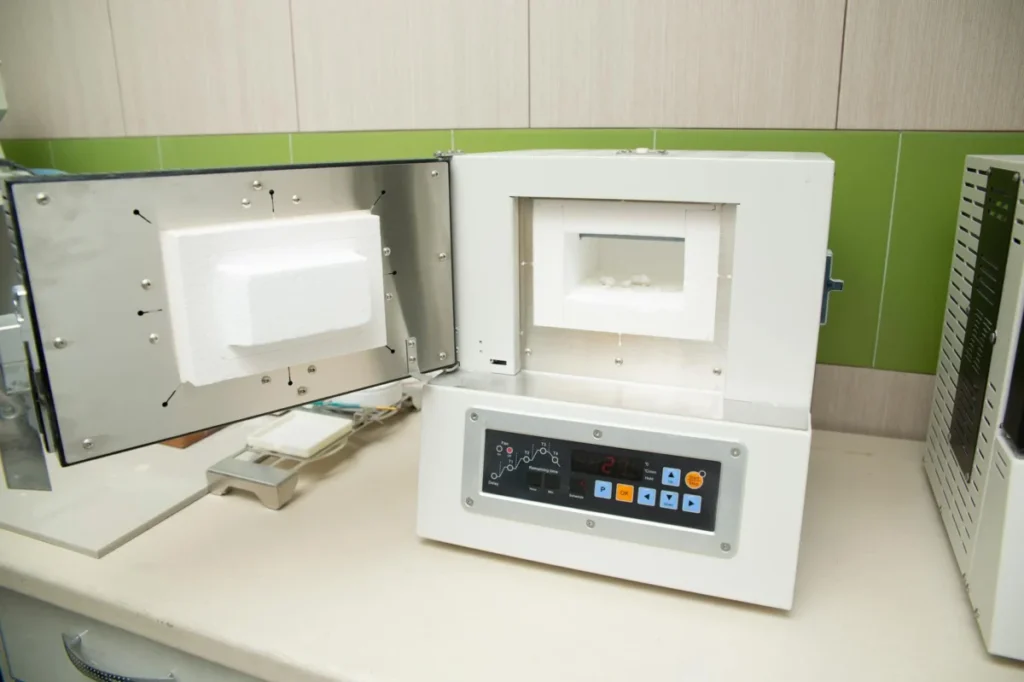
In the realm of modern automotive manufacturing, achieving consistent part quality and compliance with stringent standards like Nadcap and ISO is non-negotiable. However, many manufacturers find themselves grappling with persistent issues such as oxidation, contamination, and production inefficiencies, particularly during the vacuum heat treatment and sintering processes. The answer lies in advanced technologies like vacuum sintering furnaces and hydrogen molybdenum furnaces, which offer unparalleled precision and reliability.
Why Vacuum Sintering Furnaces Are Critical for High-Precision MIM Parts
Vacuum sintering furnaces have become indispensable in the production of metal injection molding (MIM) parts, particularly in automotive applications where precision and durability are paramount. These furnaces eliminate oxidation and contamination, ensuring the highest quality sintered parts. With the ability to maintain vacuum levels up to 10⁻⁶ mbar, they offer a controlled atmosphere that is vital for producing high-precision components.
Notably, vacuum sintering furnaces provide exceptional temperature uniformity, often within ±1°C, which is critical for maintaining the integrity and mechanical properties of MIM parts. This precision ensures that every batch meets the demanding specifications of the automotive industry, enhancing both performance and safety.
Key Features to Look for in a Hydrogen Molybdenum Furnace
When selecting high-temperature sintering equipment, understanding the core features of hydrogen molybdenum furnaces is crucial. These furnaces are specifically designed for applications requiring high-temperature processing and a controlled atmosphere, such as powder metallurgy sintering.
Technical Specifications
- Temperature range: Up to 2000°C
- Reduction atmosphere: Hydrogen-based for minimal oxidation
- Heating element materials: Molybdenum for superior thermal conductivity
- Safety features: Automated pressure controls and alarm systems
Hydrogen molybdenum furnaces are particularly adept at handling the delicate balance required in aerospace and medical device manufacturing, where adherence to standards like AMS and FDA is essential. The uniform atmosphere they provide ensures that parts meet rigorous compliance requirements without compromising on quality.
Improving Process Stability with Vacuum Heat Treatment
Vacuum heat treatment is a cornerstone of modern manufacturing, offering enhanced process stability and product quality. This method is highly effective in diffusion bonding and high-precision joining, essential for sectors like automotive and aerospace. By eliminating the presence of air and other contaminants, vacuum heat treatment significantly reduces the risk of oxidation and other defects.
The repeatability and automation capabilities of these systems ensure that each batch is consistent, optimizing yield rates and minimizing waste. This consistency is vital for meeting the high standards required in industries governed by ISO and other international regulations.
Meeting Industry Standards and Compliance
For industrial buyers, compliance with industry standards is a critical concern. Vacuum technology plays a pivotal role in achieving compliance with standards such as Nadcap for aerospace, ISO 13485 for medical devices, and general ISO regulations. The precision and reliability offered by vacuum sintering and heat treatment systems ensure that products not only meet but exceed these rigorous standards.
These systems are designed to provide detailed process documentation and validation support, streamlining the compliance process and providing peace of mind to quality control professionals and procurement managers.
Incorporating advanced vacuum furnace technology into your production line can significantly enhance process stability, product quality, and cost efficiency. By ensuring precise temperature control and maintaining optimal vacuum levels, these systems address and overcome the challenges faced by traditional furnaces. For custom sintering solutions tailored to your production needs, reach out to our engineering team to discuss your project requirements.