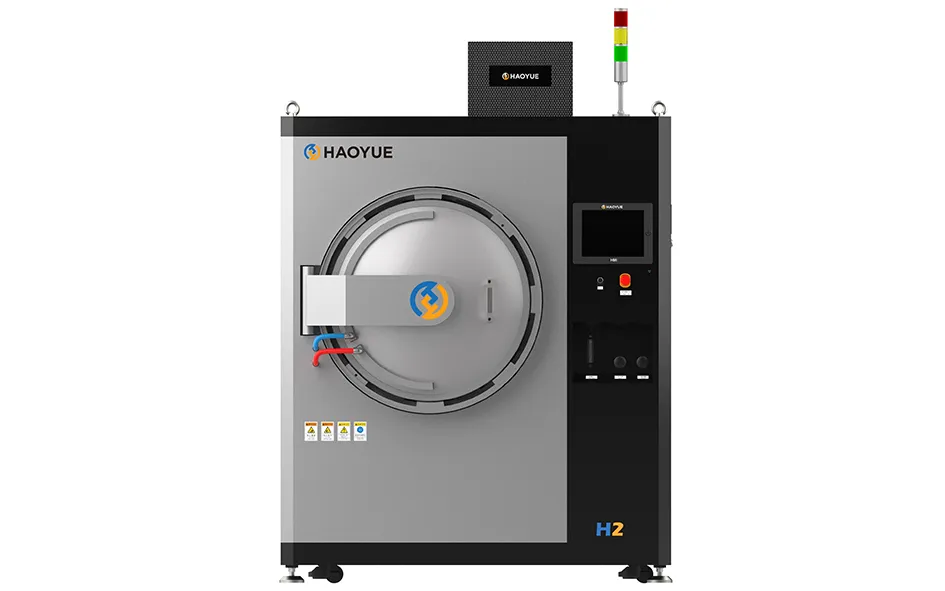
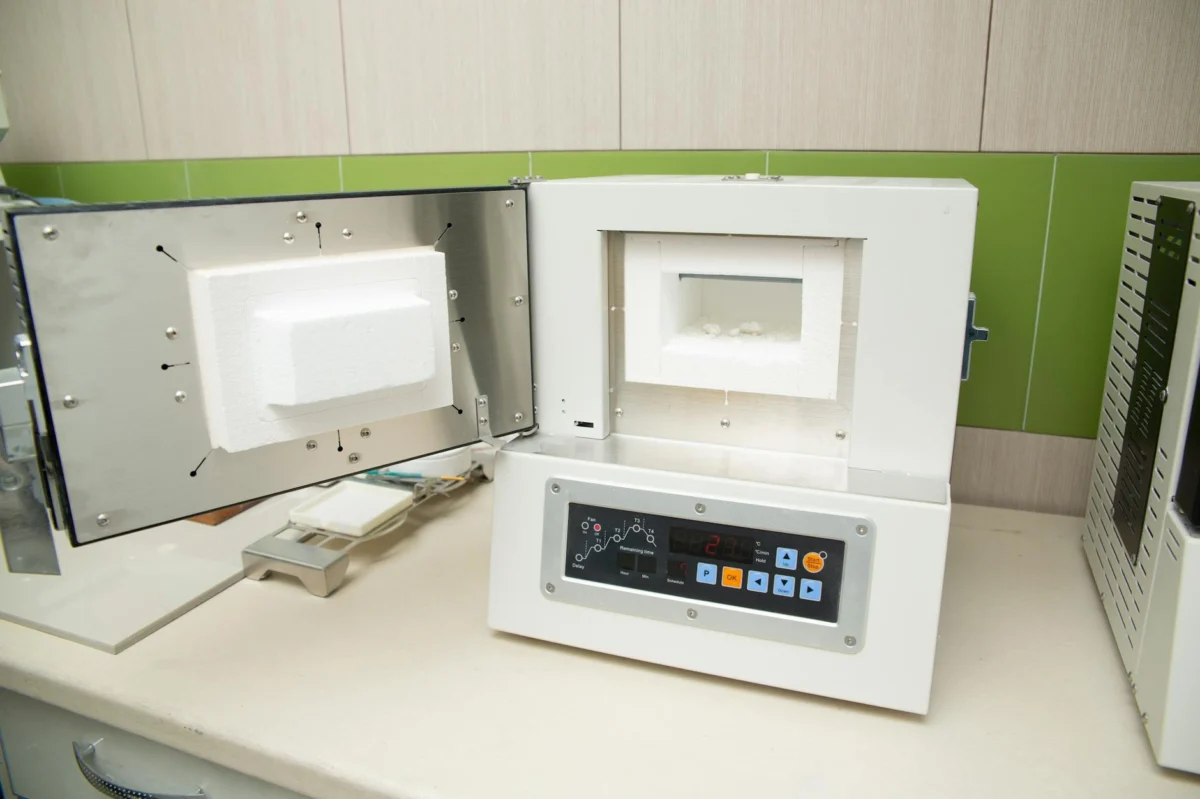
In the world of manufacturing, ensuring consistent part quality is a persistent challenge. Industries such as aerospace and medical devices demand precision and reliability, yet factors like oxidation, contamination, and compliance risks often disrupt production. Vacuum heat treatment, particularly in processes like vacuum brazing and diffusion bonding, offers a promising solution to these challenges.
Understanding Vacuum Sintering Technology
Vacuum sintering furnaces play a crucial role in powder metallurgy, offering enhanced control over temperature and atmosphere. By creating a vacuum environment, these furnaces eliminate oxygen exposure, significantly reducing oxidation risks. This process ensures the integrity of high-precision joining, essential for aerospace applications adhering to Nadcap and AMS standards.
Real-World Applications
In precision manufacturing, vacuum sintering technology is employed to produce components with intricate geometries and tight tolerances. This technology is particularly valuable in the production of medical devices, where ISO 13485 compliance is mandatory. The ability to maintain ±1°C temperature uniformity and achieve vacuum levels up to 10⁻⁶ mbar underscores its effectiveness.
Addressing Production and Quality Challenges
Common obstacles in traditional heat treatment include inconsistent temperature control and contamination, leading to defects and reduced yield rates. Vacuum heat treatment offers a solution by providing repeatable and automated batch consistency. This not only enhances product quality but also improves cost efficiency through reduced waste and rework.
Enhancing Process Stability
Vacuum technology ensures stable temperature cycles, crucial for diffusion bonding in high-stress components. This stability is vital in aerospace applications, where compliance with stringent standards is non-negotiable. By minimizing variation, manufacturers achieve higher reliability and longer tool life.
Meeting Industry Standards and Compliance
Compliance with industry standards is a significant concern for manufacturers. Vacuum sintering furnaces help meet the rigorous requirements of Nadcap, AMS, and ISO standards. By providing precise temperature control and vacuum levels, these technologies support the production of components that meet the highest quality and safety standards.
Ensuring Regulatory Compliance
In the medical device sector, adherence to FDA and ISO 13485 standards is essential. Vacuum technology’s ability to maintain a clean, controlled atmosphere ensures that components are free from contamination, a critical factor in regulatory compliance.
Modern vacuum furnace technology effectively addresses industrial challenges, leading to improved process stability and product quality. With features like ±1°C temperature uniformity and high vacuum levels, manufacturers benefit from enhanced yield rates and cost efficiency. Engineers can request technical datasheets or process consultations to explore these advancements further. Procurement managers are encouraged to inquire about quotations for bulk solutions, while quality teams can seek compliance validation and certification support to ensure their processes meet industry demands.