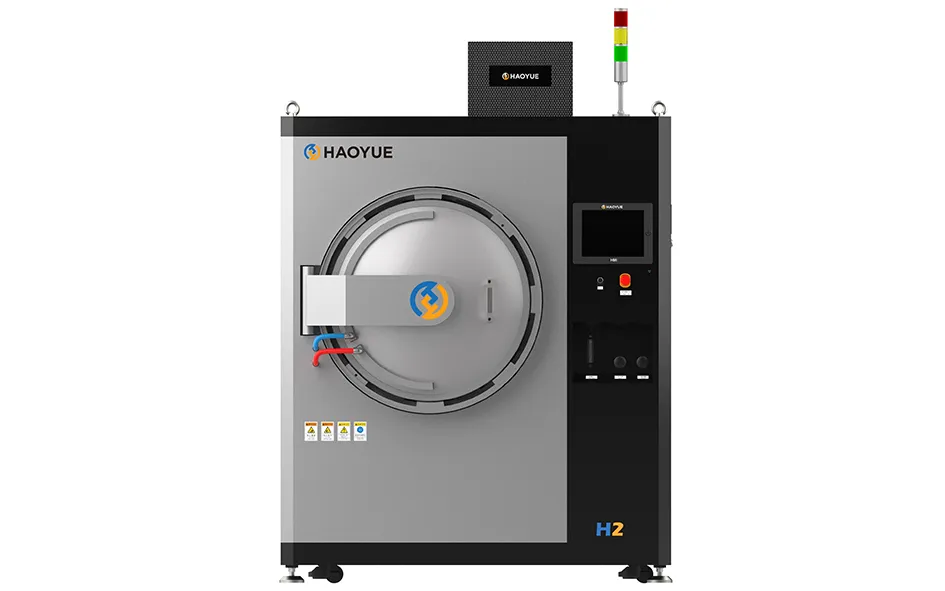
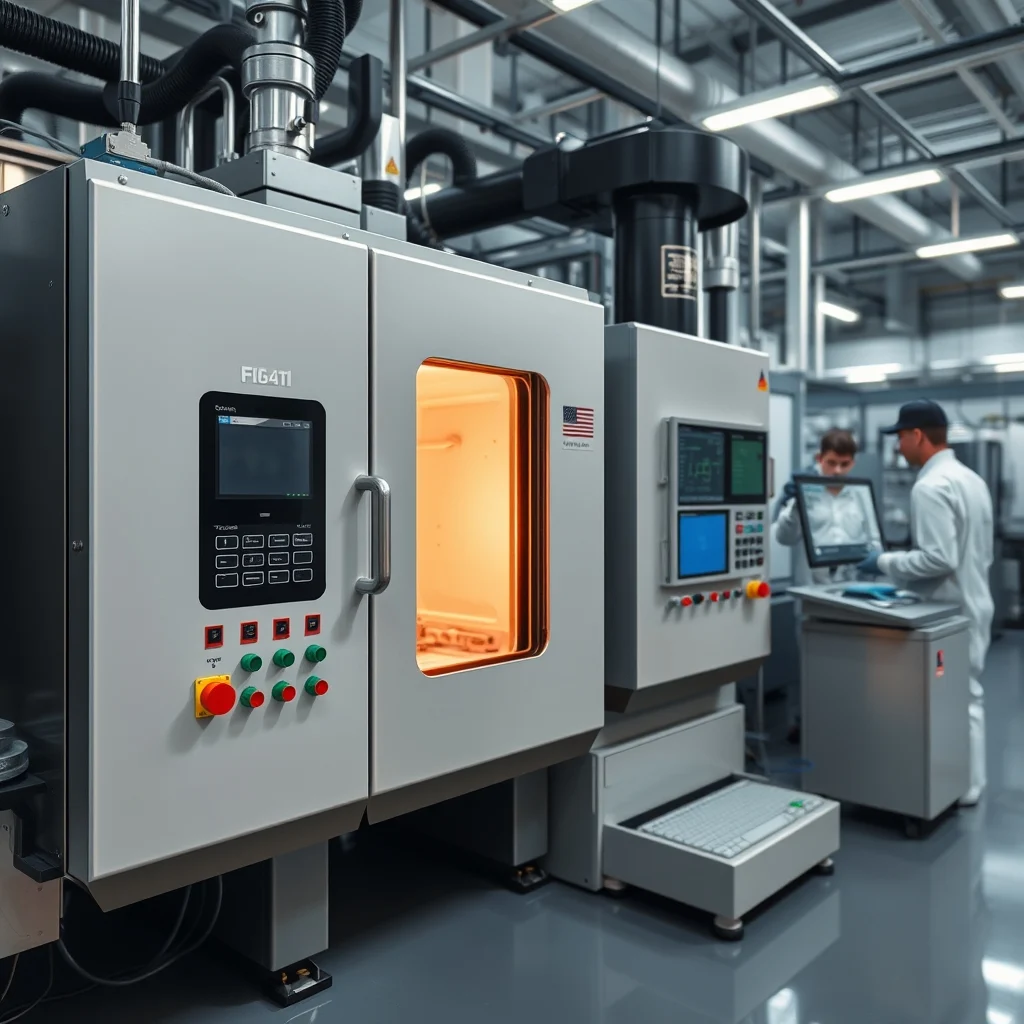
In the realm of precision manufacturing, achieving consistent part quality is a significant challenge, especially when dealing with complex materials like ceramics. Vacuum technology plays a crucial role in processes such as vacuum brazing and diffusion bonding, where maintaining the integrity of materials is paramount. Process engineers and quality control professionals often face issues like oxidation and contamination during production, impacting the final product’s compliance with standards such as Nadcap and ISO.
Understanding Vacuum Brazing and its Industrial Applications
Vacuum brazing is a precision joining process that utilizes a vacuum environment to reduce oxidation and contamination. It is especially advantageous in the aerospace industry, where high-precision joining is critical. In these applications, maintaining a controlled atmosphere is essential to ensure the integrity of the joints.
Real-world challenges include ensuring temperature uniformity and maintaining vacuum levels. Advanced vacuum brazing systems achieve ±1°C temperature uniformity and can operate at vacuum levels up to 10⁻⁶ mbar, pivotal for high-quality outcomes.
Diffusion Bonding for High-Precision Joining
Diffusion bonding is another method benefiting from vacuum technology. It involves joining materials at the atomic level, requiring precise control over temperature and pressure. Industries like medical devices rely on this process to produce components that meet stringent FDA and ISO 13485 standards.
This process addresses production inefficiencies by enhancing batch consistency and reducing material waste. The repeatability of the cycle is a critical factor, ensuring each batch meets the same quality benchmarks.
Exploring Vacuum Sintering Furnace Capabilities
A vacuum sintering furnace is integral to powder metallurgy, enabling the sintering of metal powders into solid parts without exposure to air. This technology is essential for manufacturing components that require high density and fine microstructural control.
Common challenges include achieving uniform density and minimizing defects, which can be mitigated with precise temperature control. Vacuum sintering furnaces are designed to maintain consistent conditions, thus enhancing product quality and yield rates.
Ensuring Compliance with Industry Standards
Compliance with industry standards is non-negotiable, particularly in sectors like aerospace and medical devices. Vacuum heat treatment processes must adhere to standards such as AMS for aerospace and ISO 13485 for medical devices. These standards ensure that the products not only meet technical specifications but also safety and quality requirements.
Vacuum technology aids compliance by providing repeatable and controlled conditions that minimize the risk of defects and non-compliance.
Modern vacuum furnace technology significantly enhances process stability and product quality. By maintaining rigorous control over temperature and vacuum levels, manufacturers can achieve higher yield rates and cost efficiency. These advancements in vacuum technology offer unparalleled advantages, ensuring products meet the highest quality standards.
For engineers seeking detailed insights into these processes, technical datasheets and consultations can be invaluable. Procurement managers can request quotations for bulk solutions, while quality teams may benefit from compliance validation and certification support. Embracing these technological solutions is a step forward in achieving excellence in manufacturing.