In the realm of precision manufacturing, ensuring consistent part quality is a persistent challenge. Industries such as aerospace, medical devices, and powder metallurgy often encounter issues like oxidation, contamination, and compliance risks. These can undermine the effectiveness of processes like vacuum heat treatment, brazing, and joining. To mitigate these risks, gas pressure sintering for silicon nitride emerges as a pivotal solution.
Understanding Gas Pressure Sintering
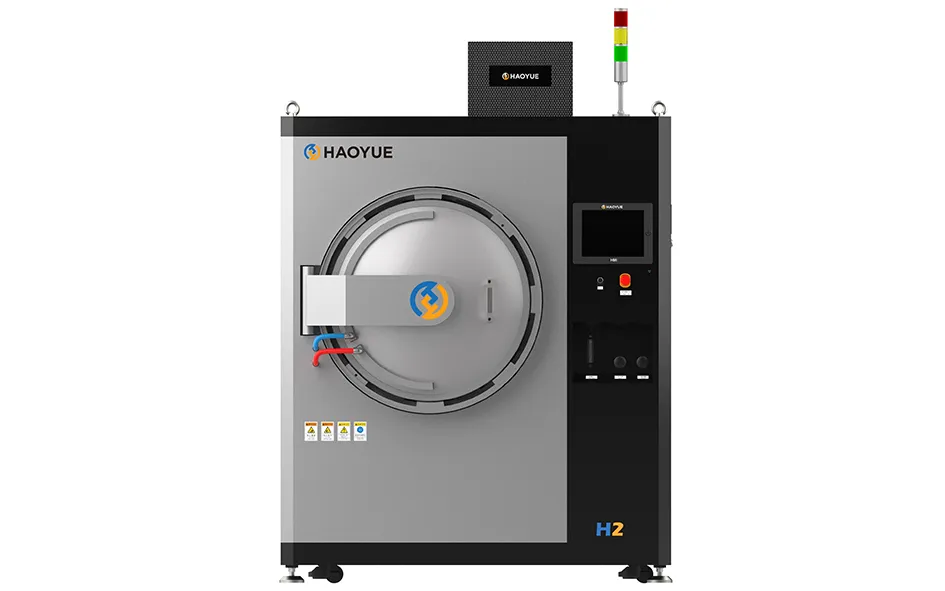
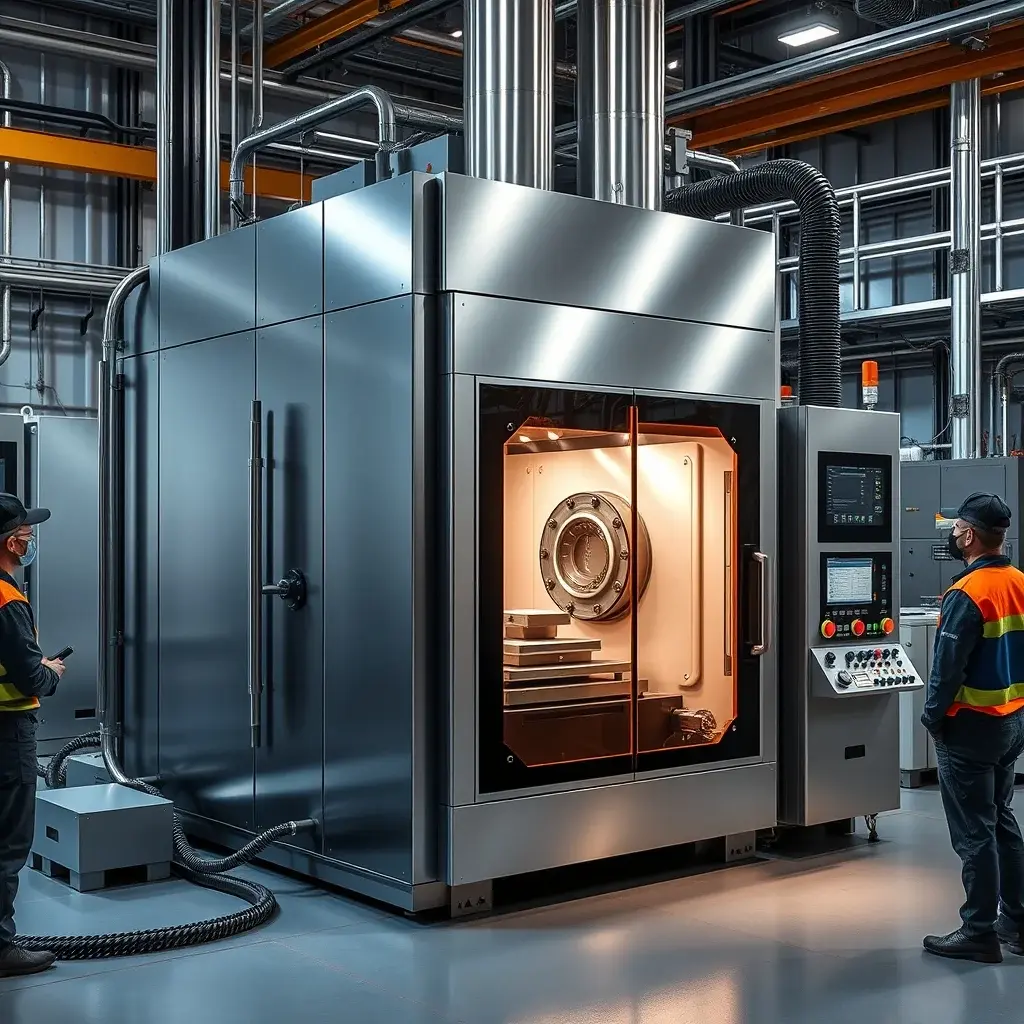
Gas pressure sintering involves the use of a vacuum sintering furnace to densify silicon nitride ceramics under high pressure. This process is essential for achieving high-precision joining and diffusion bonding. By controlling temperature and pressure, manufacturers can produce components with superior mechanical properties and reduced porosity.
Real-World Applications
This technique is crucial in industries demanding high-performance ceramics. For instance, aerospace components benefit from enhanced thermal stability and resistance to wear, which are critical under extreme operational conditions. Similarly, medical devices require components free from defects and contamination to meet stringent FDA and ISO 13485 standards.
Overcoming Quality Challenges
Production challenges such as inconsistent part dimensions and poor surface finishes are common. Using a vacuum sintering furnace, manufacturers can achieve ±1°C temperature uniformity and vacuum levels up to 10⁻⁶ mbar. These parameters are vital for maintaining cycle repeatability and ensuring product quality.
Enhancing Process Stability
Vacuum technology plays a critical role in stabilizing production processes. By eliminating oxygen from the sintering environment, oxidation is prevented, ensuring the integrity of the final product. This is particularly beneficial in powder metallurgy, where material purity is paramount.
Industry Standards and Compliance
Compliance with industry standards such as Nadcap and AMS for aerospace, and ISO for general manufacturing, is non-negotiable. Gas pressure sintering aligns with these standards, providing assurance of quality and reliability. For medical applications, adherence to FDA regulations is crucial for market approval and patient safety.
The Role of Vacuum Brazing
Vacuum brazing is integral to joining dissimilar materials without compromising their properties. This method enhances the structural integrity of components used in high-stress environments, thereby extending their service life and reducing maintenance costs.
Modern vacuum furnace technology is revolutionizing industries by improving process stability, product quality, and yield rates. The precision of gas pressure sintering ensures cost efficiency and high-quality outcomes. Engineers are encouraged to request technical datasheets or process consultations to explore these advancements further. Procurement managers can seek quotations for bulk solutions, while quality control teams may inquire about compliance validation and certification support.