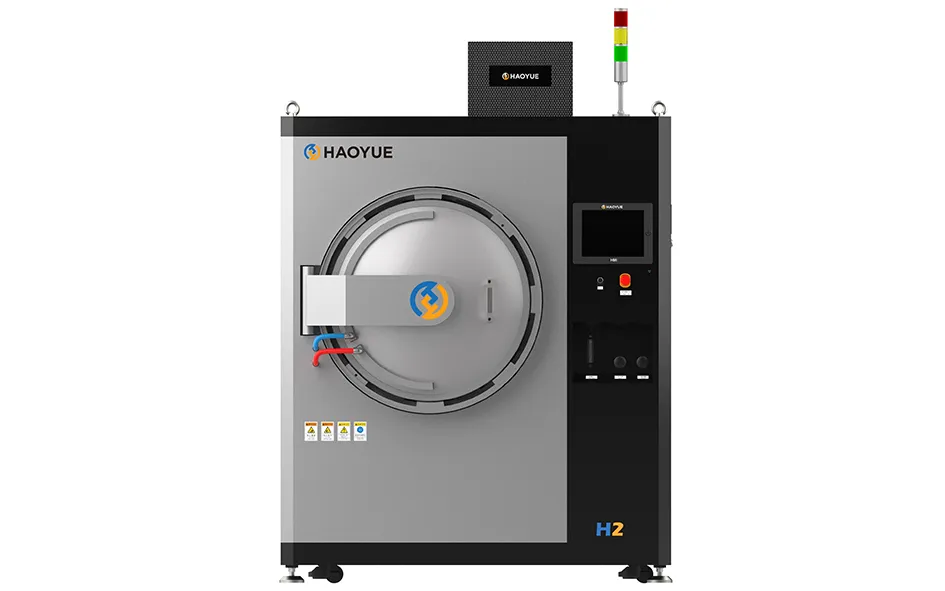
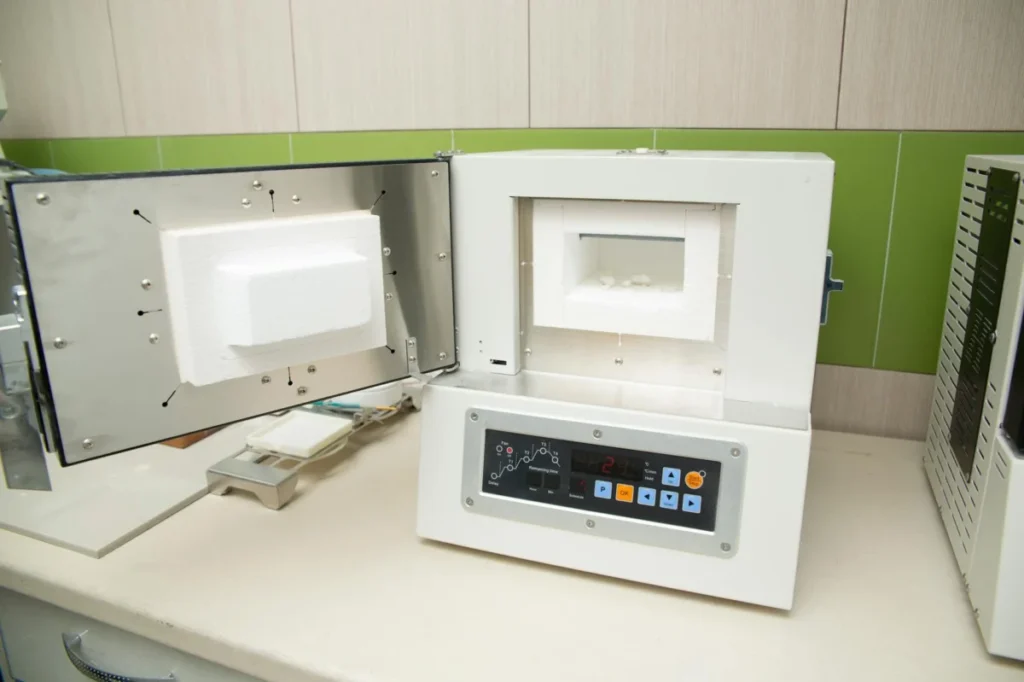
In the world of precision manufacturing, ensuring the integrity of ceramic components is paramount. One of the most prevalent challenges faced by industries such as aerospace, medical devices, and powder metallurgy is the issue of porosity. This can lead to inconsistent part quality, reduced mechanical strength, and potential compliance risks. Fortunately, advanced technologies like vacuum sintering furnaces offer a promising solution to these persistent problems.
Why Vacuum Sintering Furnaces Are Critical for High-Precision MIM Parts
The precision required in Metal Injection Molding (MIM) for powder metallurgy cannot be overstated. Vacuum sintering furnaces are instrumental in achieving the high precision needed for MIM parts. These furnaces provide an environment that minimizes oxidation and contamination, ensuring the structural integrity of the sintered components.
In real-world applications, vacuum sintering furnaces have proven to enhance the consistency of mechanical properties across batches, which is crucial in sectors where precision and reliability are non-negotiable, such as aerospace and medical devices.
Key Features to Look for in a Hydrogen Molybdenum Furnace
When selecting a hydrogen molybdenum furnace, certain features are indispensable. Key among them are the ability to maintain high-temperature uniformity and achieve optimal vacuum levels. These furnaces are designed for high-temperature sintering equipment applications, where stable environments are crucial.
Industrial buyers should consider furnaces that offer:
- ±1°C temperature uniformity
- Vacuum levels up to 10⁻⁶ mbar
- Automated batch consistency
Such specifications ensure not only quality but also compliance with standards like Nadcap for aerospace and ISO for general manufacturing.
Industry Standards & Compliance in Vacuum Heat Treatment
Compliance with industry standards is a critical aspect of manufacturing, especially in sectors like aerospace and medical devices. Vacuum heat treatment processes must adhere to standards such as Nadcap for aerospace components and FDA regulations for medical devices.
Adopting vacuum technology not only facilitates compliance with these stringent standards but also enhances process stability and product yield rates, making it an ideal choice for quality control professionals.
Addressing Production Challenges with Advanced Vacuum Technology
Common production challenges such as high energy costs and inconsistent sintering quality can be effectively addressed using advanced vacuum technology. Vacuum brazing and diffusion bonding processes, for example, benefit significantly from the controlled atmosphere provided by vacuum systems, which enhances high-precision joining capabilities.
For industries aiming to optimize their production lines, investing in high-temperature molybdenum furnaces and vacuum sintering equipment is a strategic move towards achieving superior product quality.
For custom sintering solutions tailored to your production needs, reach out to our engineering team to discuss your project requirements.