In the competitive landscape of powder metallurgy and precision manufacturing, inconsistent sintering quality and high energy costs remain critical challenges. Industrial buyers often face the dilemma of balancing operational efficiency with stringent compliance requirements like Nadcap and ISO standards. Vacuum sintering furnaces have emerged as a game-changer in this regard.
Why Vacuum Sintering Furnaces Are Critical for High-Precision MIM Parts
Vacuum sintering furnaces offer a controlled atmosphere that minimizes oxidation and contamination, ensuring superior quality in metal injection molding (MIM) parts. This technology is particularly beneficial for applications in aerospace and medical devices where precision is non-negotiable.
The key advantage lies in the furnace’s ability to maintain consistent temperature uniformity, often within ±1°C. This ensures that each batch meets exacting specifications, thereby reducing waste and enhancing yield rates.
Key Features to Look for in a Hydrogen Molybdenum Furnace
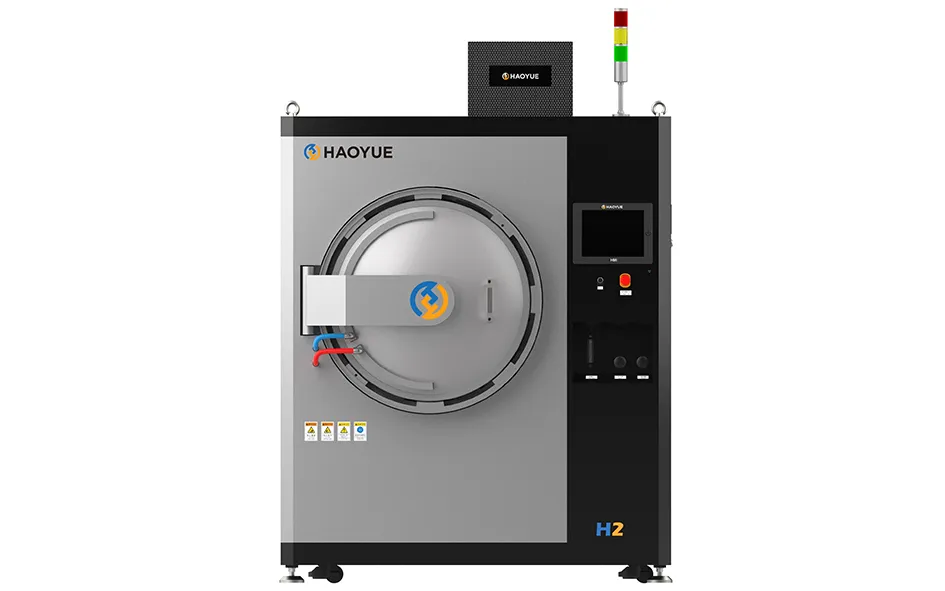
Hydrogen molybdenum furnaces are pivotal in high-temperature sintering, particularly for challenging applications requiring high strength and thermal conductivity. When selecting such a furnace, consider the following features:
- Vacuum levels reaching up to 10⁻⁶ mbar for optimal purity and quality.
- Automated control systems for repeatable batch consistency.
- Energy-efficient designs to lower operational costs.
These features not only improve process stability but also ensure compliance with industry standards such as AMS and ISO 13485.
Addressing Common Production and Quality Challenges with Vacuum Technology
In the realm of vacuum brazing and diffusion bonding, maintaining high-precision joining under controlled conditions is crucial to avoid defects. Vacuum technology addresses this by providing a contamination-free environment, which is vital for maintaining the integrity of components in sectors like aerospace and automotive.
Moreover, the ability to control parameters such as temperature and vacuum levels with high accuracy ensures that every production cycle is repeatable and reliable, thereby reducing the risk of costly rework and downtime.
Industry Standards and Compliance: A Non-Negotiable Aspect
Meeting industry standards is crucial for maintaining credibility and ensuring safety. Vacuum sintering and heat treatment processes must align with regulatory demands such as Nadcap for aerospace and FDA regulations for medical devices. Compliance with these standards not only facilitates market access but also builds trust with end-users.
Modern vacuum furnace technology offers a robust solution to many of the industrial challenges faced today. By ensuring process stability, improving product quality, and achieving cost efficiency, these advanced systems redefine what’s possible in high-temperature sintering equipment.
For custom sintering solutions tailored to your production needs, reach out to our engineering team to discuss your project requirements.