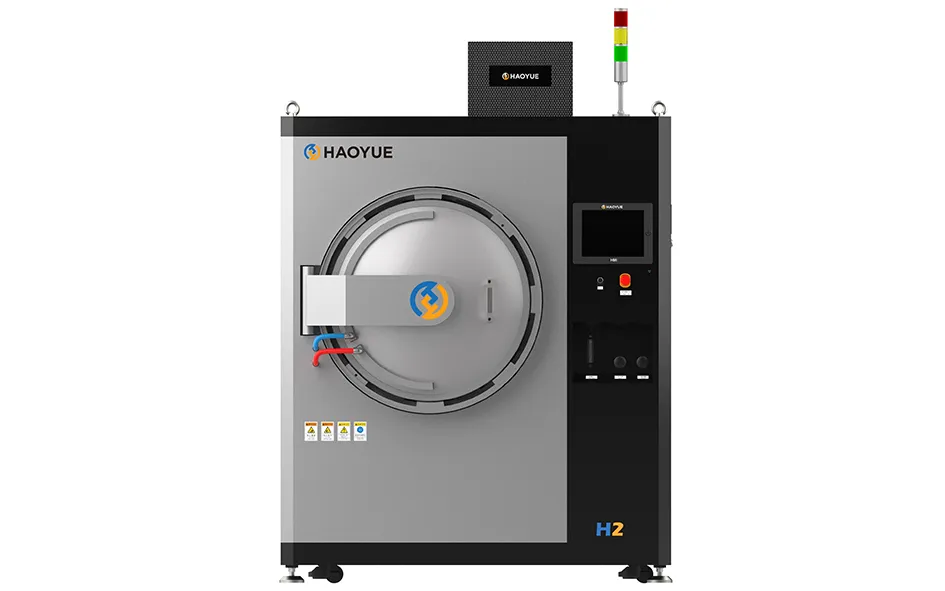
In the world of precision manufacturing, nothing is more frustrating than ceramic parts failing due to inconsistent quality. This issue, often exacerbated by oxidation, contamination, or compliance risks, can compromise entire production lines and lead to significant financial losses. By leveraging advanced vacuum sintering furnaces, industrial operations can mitigate these risks, ensuring high-quality output and operational efficiency.
Why Vacuum Sintering Furnaces Are Critical for High-Precision MIM Parts
Vacuum sintering furnaces play a pivotal role in modern manufacturing, particularly in producing metal injection molding (MIM) parts with precise tolerances. These furnaces enable controlled atmosphere sintering, which is vital for achieving uniform temperature distribution and reducing oxidation risks. The result is superior mechanical properties and dimensional accuracy that meet industry standards.
Industrial Applications and Challenges
In the aerospace and medical device sectors, vacuum sintering furnaces are indispensable. They address production challenges such as maintaining compliance with Nadcap and ISO standards while ensuring product consistency. By providing high-temperature sintering equipment with excellent repeatability, manufacturers can confidently produce parts that adhere to stringent specifications.
Key Features to Look for in a Hydrogen Molybdenum Furnace
When selecting a hydrogen molybdenum furnace, it’s essential to consider features that enhance performance and reliability. High-temperature molybdenum furnaces offer remarkable resistance to deformation and contamination, making them ideal for applications requiring stable thermal environments.
Technical Specifications to Consider
- Temperature Uniformity: ±1°C
- Vacuum Levels: Up to 10⁻⁶ mbar
- Material Composition: High-grade molybdenum for durability
- Energy Efficiency: Optimized heating elements for reduced consumption
The Role of Vacuum Technology in Powder Metallurgy Sintering
Powder metallurgy relies heavily on vacuum technology to achieve high-precision joining and diffusion bonding. Vacuum heat treatment eliminates impurities and enhances the mechanical properties of sintered parts. This process is crucial for automotive and industrial applications where performance and reliability are paramount.
Compliance and Quality Assurance
Adhering to industry standards like AMS and ISO 13485 is essential for maintaining product quality and market competitiveness. Vacuum technology facilitates compliance by ensuring consistent production cycles and minimizing the risk of defects.
For custom sintering solutions tailored to your production needs, reach out to our engineering team to discuss your project requirements. Whether you’re seeking technical datasheets, quotations, or compliance validation, our experts are ready to assist.